
D3 Daily — Thursday, November 12, 2026
Curated industry insights at the intersection of design, technology, and AI.
[Highlight]: The best design writing today is about subtraction. Removing layers, removing agents, removing the assumption that more is better. Here is what actually matters from Thursday’s feed.
Today’s Highlights
Design is a search problem
Sidebar.io
Most of what we call design is groping around a dark room for a black cat. Matt Stromawn’s framing is the sharpest thing I read today: the work is not execution, it is narrowing the search space until the right answer becomes findable. Read this one twice.
By taking away
Sidebar.io
Software used to be built like a painting, one layer at a time. With agents it is closer to sculpture, and the hard part is seeing what to keep. Hayden Bleasel nails the shift in craft that most teams are still pretending is not happening.
Airline Logos
Sidebar.io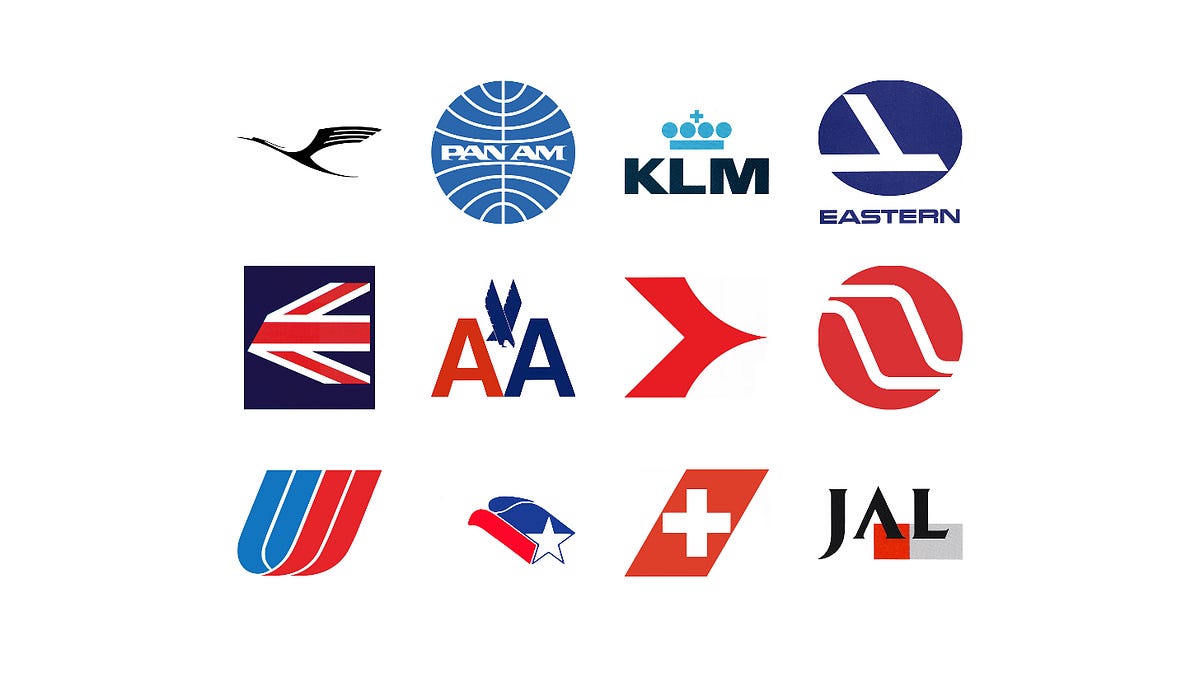
From Lufthansa’s crane to United’s tulip, the stories behind twelve airline logos designed for the jet age. A good reminder that the marks we still recognize fifty years later were built on restraint, not cleverness.
United Is Blocking AI Agents. The Fight Is Over Who Owns You(r Data).
The Neuron AIUnited restricted unauthorized AI agents from booking flights, and the real story is not the policy. It is the business conflict underneath: if your assistant knows your preferences and picks where you buy, companies lose their place at the center of the customer relationship. This is a design problem wearing a legal costume.
The AI mind tax that afflicts those who use AI best
UX Collective
The people getting the most out of AI are paying the highest cognitive price for it. Worth reading alongside the orchestration conversation, because the cost is not measured in tokens. It is measured in the attention you have left at 4pm.
Why are we cloning Photoshop?
UX Collective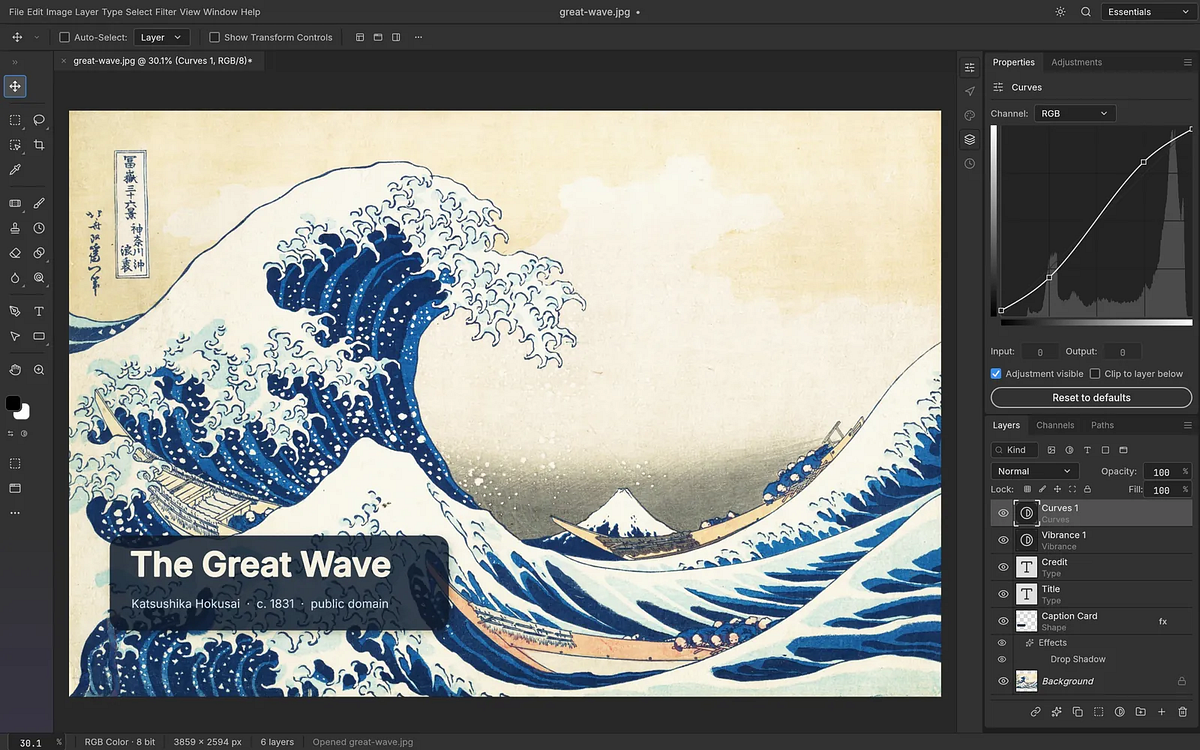
Every new AI design tool is rebuilding the same 1990s toolbar. The question worth asking: if the constraints that shaped Photoshop are gone, why are we still designing for them?
In-system design: from code to Figma and back
UX Collective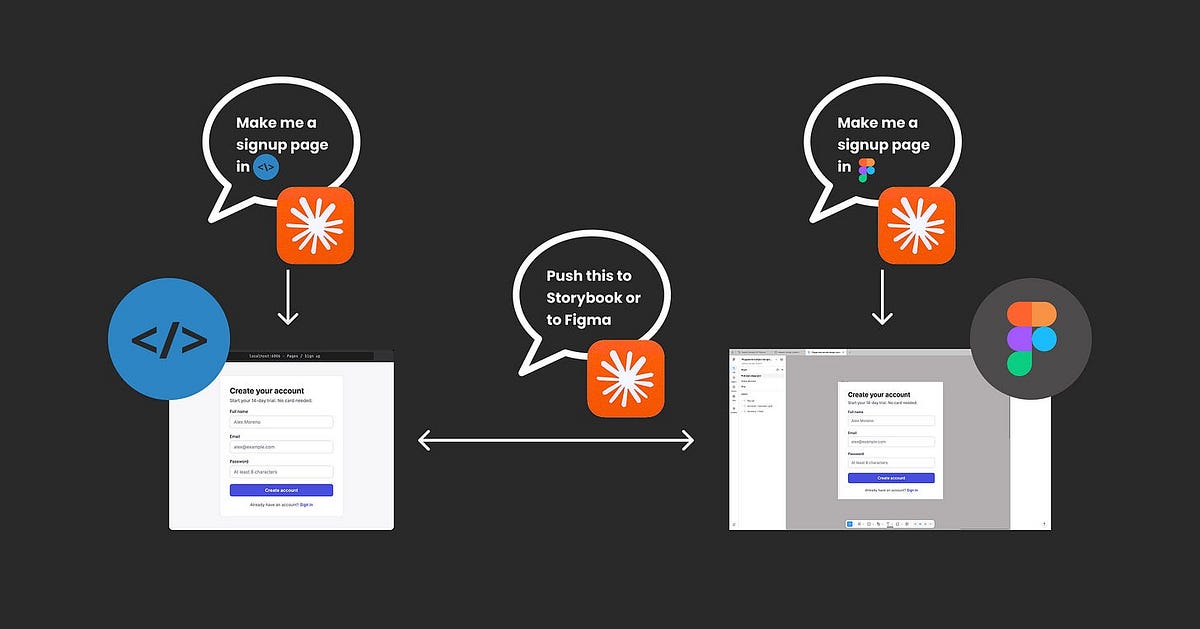
Prototyping inside your real design system instead of a parallel Figma fantasy. Practical, and directly relevant to how we should be working. The round trip between code and canvas is the part most teams still get wrong.
Quick Hits
- State of JavaScript 2026Take the State of JavaScript survey: a programming language that grew up much, much bigger than anybody ever anticipated....Sidebar.io
- 😺 DeepMind launched AlphaGenome 2 for DNA...The Neuron AI
- The AI Spending Boom Has a Problem: Most Companies Spend Very LittleCorporate AI spending reached another record in October, but most businesses are spending very little.The Neuron AI
- Everything That Happened in AI Today (Thursday, November 12, 2026)United restricted unauthorized AI agents from booking flights; Databricks introduced an always-on business assistant; Google unveiled…The Neuron AI
- 😸 WATCH: AI Changed More in 4 Years Than You Remember...The Neuron AI
- Google’s AlphaGenome 2 Wants to Find Where Disease BeginsA disease-linked DNA change is only a clue.The Neuron AI
- Claude Code + Obsidian: My family’s AI brain | Scott FarrarWatch now (34 mins) | 🎙️ Scott Farrar walks through the Claude Code and Obsidian system he built to track appliances, chase insurance…Lenny's Newsletter
- Every click has a price now. Who designs how that “feels”?...UX Collective
- The bathroom flaws that infuriate every designer...UX Collective
- Design is a search problemBuilding interfaces that understand what we want to do, From code to Figma and back, Making a website in 2026....Heydesigner
- Should You Actually Add AI To That? A Four-Question Audit For Product TeamsAn AI feature can save users time on a task, only for them to spend it checking the results.Smashing Magazine