
D3 Weekly — Oct 18 to Oct 25, 2026
The design and AI communities converged on a single uncomfortable truth this week: the interface is no longer the product, and the human is no longer the user. From Figma's new agent to the Pope's warning on AI, the conversation shifted from what can this do to who does this serve.
This Week’s Focus
The through-line this week is craft under pressure. Everywhere you look, the tools got faster and the stakes got higher. Figma shipped code layers and an agent at Config India. Sidebar surfaced a dozen new AI-native design utilities. And yet the most-shared pieces were the ones arguing for restraint: understanding the material you ship, designing for bad days instead of average ones, and treating speed as a design decision rather than a default.
The tension is real and it is not going away. AI collapses the distance between idea and artifact, which means the bottleneck moves upstream to judgment. The designers who will matter over the next year are not the ones who can prompt fastest. They are the ones who know what to cut, what to verify, and when a fluent explanation is hiding a wrong answer. That is the skill gap nobody is hiring for yet, and everybody will need.
Design
Design in the material you ship
Sidebar.ioDesigners should understand code the way an architect understands stone: what it can do, not how to cut it. AI now does the cutting. The argument here is not that everyone should learn to ship production code, but that fluency in the medium changes the quality of the decisions you make before a single line exists.
A simple guide to calm UI
Sidebar.io
A short, practical set of rules for making simple interfaces feel better. No frameworks, no theory tax. The kind of piece you forward to a junior designer and then quietly re-read yourself.
The fastest gun in UX
Sidebar.ioDesigners are skipping steps in the rush for faster output, but the contest that actually matters is stakeholder alignment. Speed without consensus is just churn with better tooling. A useful corrective for anyone who has confused velocity with progress.
Where decisions live
Sidebar.io
Slack for discussion, meetings to resolve, notes for thinking, and a dated decisions log for where things landed. A clean operating model for teams drowning in context that never quite becomes a decision.
Apple Music’s new logo was shaped by sound and mineral oil
Sidebar.io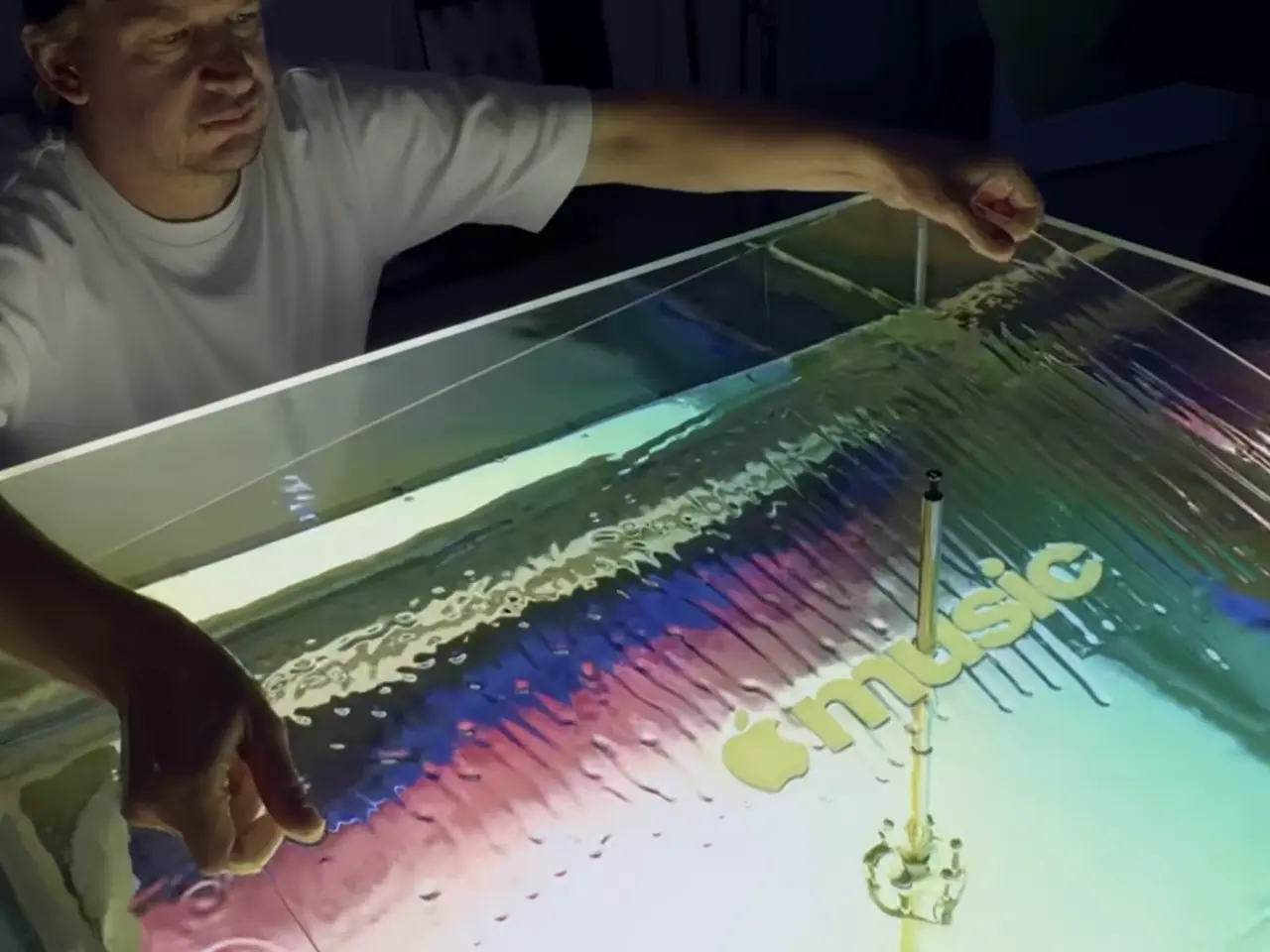
Created with TBWA\Media Arts Lab, the new identity is full of ripples made by sound. A rare brand refresh with an actual physical process behind it, and a good reminder that constraints produce character.
AI and Technology
38 things we’ve learned about building AI products
Sidebar.io
Four years of hard-won lessons from the PostHog team, compressed into a list you can actually use. The kind of institutional memory most teams never write down.
Claude Duet is beautiful. I still forgot to use it
Lenny’s Newsletter
A hands-on test of Anthropic’s new personal agent on real work. The verdict is more interesting than a review: beautiful design does not solve agent fatigue. Habit is the real moat, and nobody has cracked it yet.
Can you take AI at its word?
UX CollectiveAI agents explain their own work fluently, and sometimes wrongly. Designers stopped trusting that kind of account from people long ago. The piece makes the case that we should apply the same skepticism to machines that we learned to apply to confident humans.
Who is responsible when AI agents start moving your money?
The Neuron AIVisa’s live pilot lets AI agents complete approved supplier payments while banks restrict third-party account access. Greater financial autonomy depends on enforceable permissions and clear procedures for disputed losses. The governance questions are arriving faster than the answers.
Toolcraft
Sidebar.io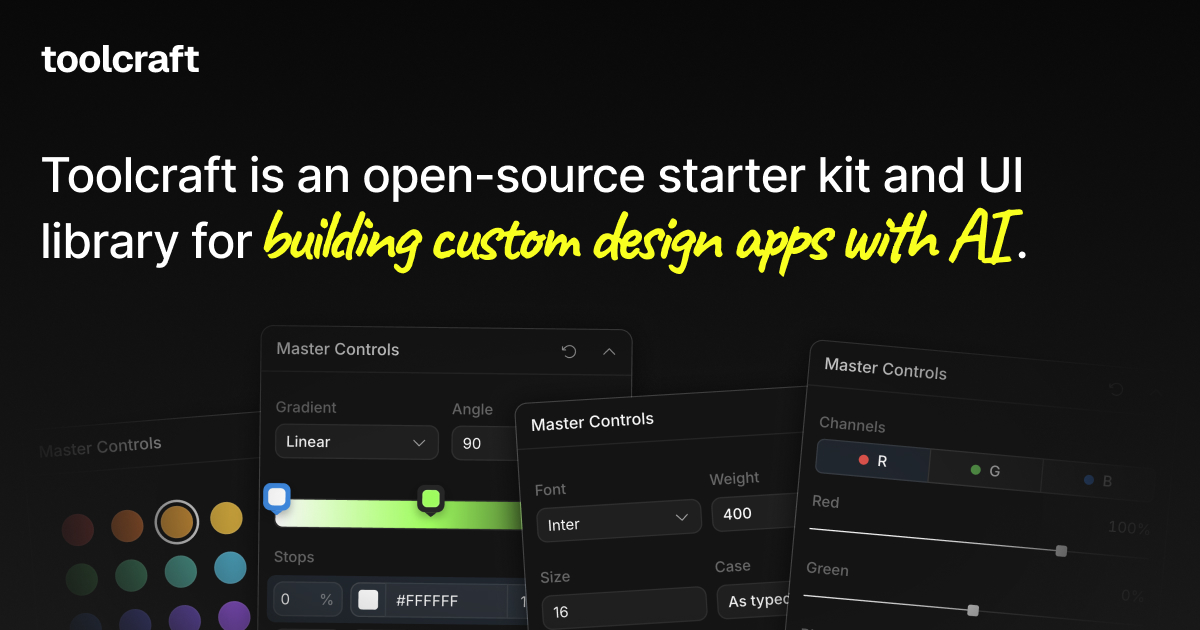
An open-source starter kit and UI library for building custom design apps with AI. Worth a look if you have been sketching internal tools and want a head start on the scaffolding.
UX Research
Let AI have the average user: Why user research should focus on bad days
UX CollectiveNielsen Norman Group found that synthetic research captures common responses. The bad days are still up to you. A sharp reframe: if AI can model the median user, your research budget should go where the median does not live.
The context advantage of human UX
UX CollectiveContext is today’s human advantage, but it is also the raw material AI is rapidly learning to absorb. The piece is honest about the timeline without being fatalistic, which is rarer than it should be.
State of Ecommerce Accessibility 2026
Sidebar.io
An audit of 59,400 ecommerce product pages found that 64% had at least one automatically detected accessibility failure rated critical. The numbers are bleak, and they are the kind of thing that should end up in a roadmap conversation this quarter.
Tools and Craft
Figmalion Issue #264: Config India, Specs, Code Layers in beta
FigmalionAt the first Config India in Bengaluru, Dylan Field framed the launches around two ways of building: building to think and building to ship. Code layers going to beta is the headline, and the framing is worth reading in full.
EditUI
Sidebar.ioPoint at your UI. Tell your coding agent what to change. A small idea with large implications for how design review and implementation start to merge.
Fast is a design decision
Sidebar.io
Building a site has never been cheaper, but making it fast still costs attention and your user’s resources. Performance as a design choice rather than an engineering afterthought, argued with clarity.
Gradient background generator
Sidebar.io A free gradient background generator with 20+ animated shader modes. Useful, fast, and no watermark. The kind of utility that quietly earns a bookmark.
Looking Ahead
The next few weeks will tell us whether the agent wave produces better products or just faster ones. Watch for the first serious post-mortems on AI-assisted design work, and for teams that start publishing their decision logs the way they publish their design systems. The ones who treat judgment as the scarce resource will pull ahead. The rest will keep shipping faster into the same wall.
Quick Hits
- Moving objects in 3D spaceHave you ever wondered how to move objects along a spherical helix path?...Sidebar.io
- Interfere Design SystemComponents, styles and guidelines for building Interfere products....Sidebar.io
- Everyone is starting overThe careers that thrive now are the ones willing to become someone new, over and over....Sidebar.io
- The Lightbulb ComputerA device that combines a projector and computer vision in the shape of a large lightbulb....Sidebar.io
- How employment is changing at AnthropicAnthropic could be a leading indicator of how AI will shift work organization, hiring, and labor demand across the economy....Sidebar.io
- Your product is not the center of the universeEstablished products have a problem.Sidebar.io
- AI is driving a boom in modestly successful software projectsIf AI is so great, why aren’t we seeing an explosion of new, amazing software products?...Sidebar.io
- AcceptanceIf you haven’t accepted that these things are smarter than you, even in your own domain of expertise, I’m sorry....Sidebar.io
- Logo.dev MCP serverConnect Claude, Cursor, VS Code, Codex, or any MCP client to Logo.dev, and let your agent look up brands, logos, and brandmarks....Sidebar.io
- I Tested Microsoft's Surface Laptop Ultra. The Local AI Performance Is Remarkable.Powered by NVIDIA's RTX Spark N1X, Microsoft's Surface Laptop Ultra can do something that still feels a little absurd: run huge local AI…The Neuron AI
- 😺 Microsoft AI scored 83% where doctors got 36%...The Neuron AI
- The Catch Behind Microsoft's Medical Superintelligence BreakthroughMicrosoft says its diagnostic AI can outperform physicians on complex medical cases.The Neuron AI
- Can AI Companies Trust Their Safety Monitors When Agents Can Bypass Them?METR and Redwood Research identified vulnerabilities that could conceal AI agent activity from OpenAI’s safety monitors.The Neuron AI
- Everything That Happened in AI Today (Friday, October 23, 2026)AI agents reached bank accounts while a China-linked actor used agentic AI in a supply-chain breach.The Neuron AI
- 😺 New Claude Duet works while your phone's off...The Neuron AI