
D3 Daily — Friday, October 23, 2026
Curated industry insights at the intersection of design, technology, and AI.
Performance is a design decision, decisions need a home, and Microsoft’s medical AI has a catch. Here is what actually matters from today’s feed.
Today’s Highlights
Fast is a design decision
Sidebar.io
Shipping a site has never been cheaper. Making it fast still costs attention and your user’s resources. Shanna treats speed as a design constraint rather than an engineering afterthought, which is the only framing that survives contact with a real roadmap.
Where decisions live
Sidebar.io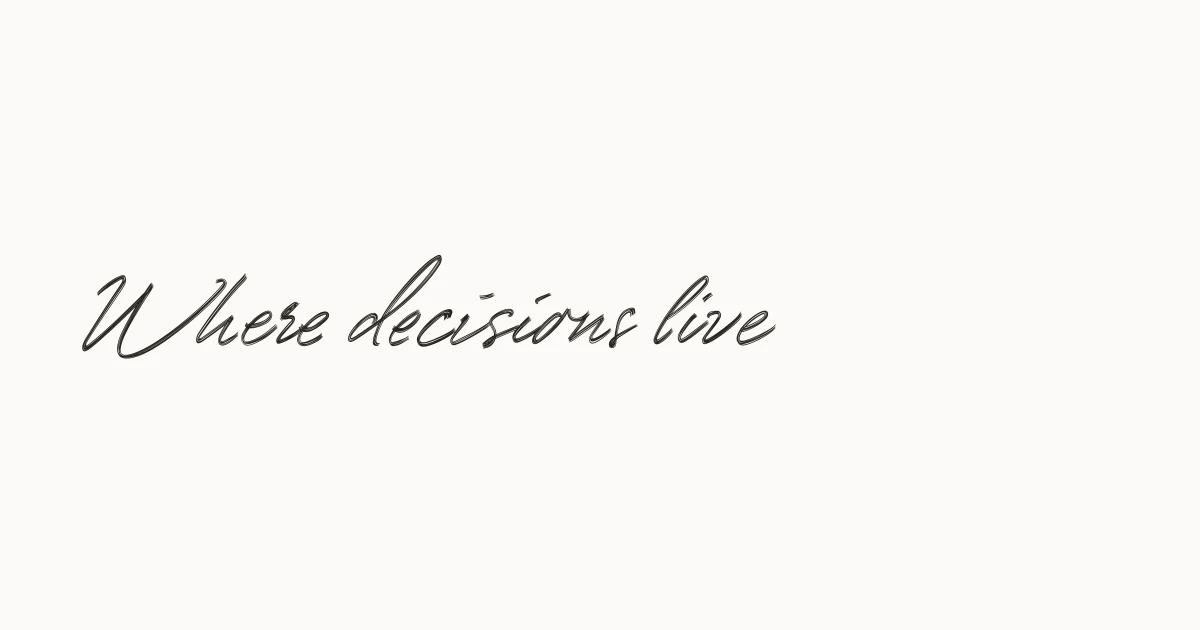
Slack for discussion, meetings to resolve, notes for thinking, and a dated decisions log for where things actually landed. Simple system, and it fixes the most common failure in product teams: nobody remembers why we chose this six months ago.
Moving objects in 3D space
Sidebar.io
A visual walkthrough of how to move objects along a spherical helix path. Worth ten minutes if you build motion or 3D interfaces and want the math to feel intuitive instead of memorized.
Apple Music’s new logo was shaped by sound and mineral oil
Sidebar.io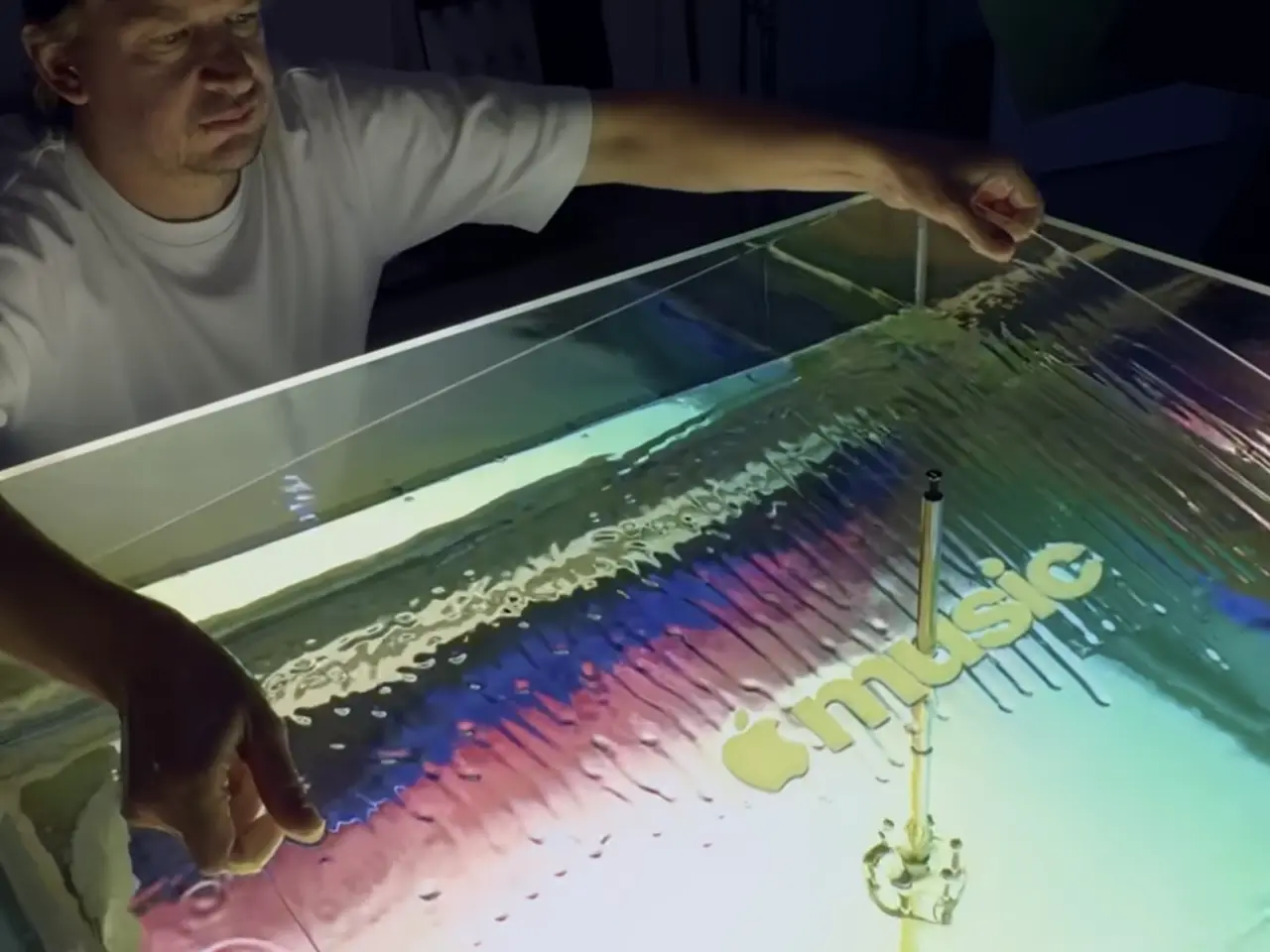
Made with TBWA\Media Arts Lab, the new identity is full of ripples made by sound. A good reminder that brand work still rewards physical craft and a strange process over a clean Figma file.
The catch behind Microsoft’s medical superintelligence breakthrough
The Neuron AIMicrosoft says its diagnostic AI beats physicians on complex cases. The closer read shows narrower gains over GPT-5 alone, cost savings that depend on configuration, and open questions only real clinical trials can answer. Read this before you repeat the headline in a meeting.
Who is responsible when AI agents start moving your money?
The Neuron AIVisa’s live pilot lets AI agents complete approved supplier payments while banks restrict third-party account access. More financial autonomy only works with enforceable permissions and a clear process for disputed losses. The design question here is trust, not capability.
Buy vs. build is now also a UX decision, especially in enterprise
UX Collective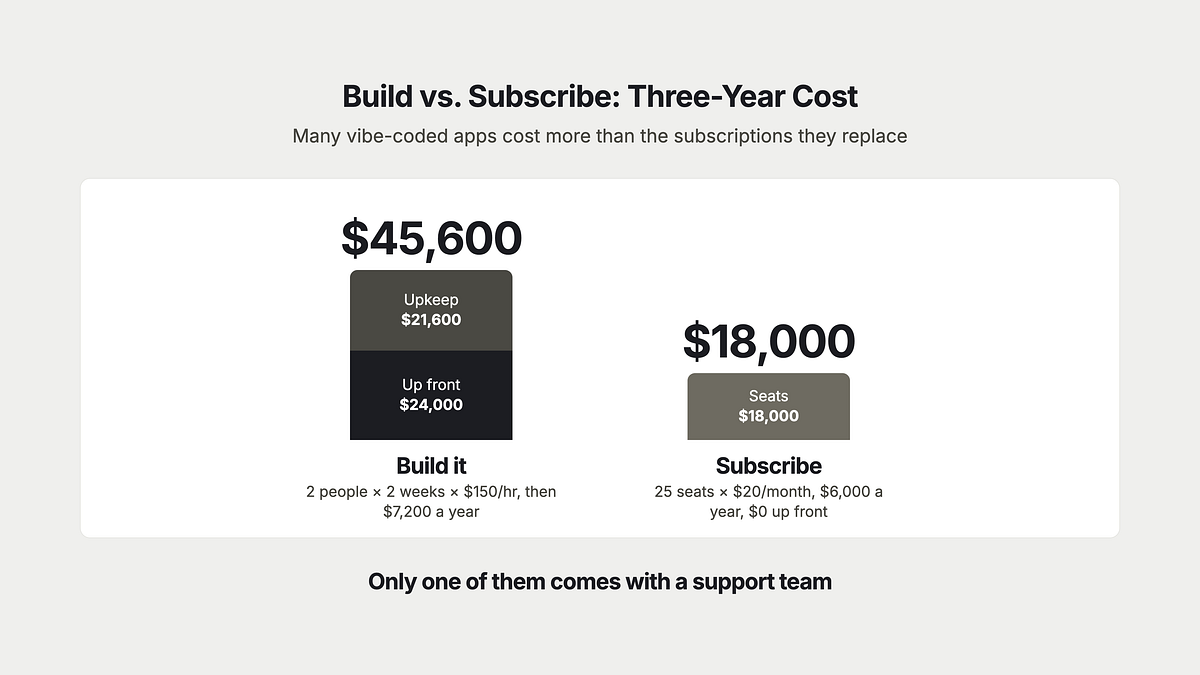
The build-or-buy call used to be a finance and engineering conversation. In enterprise it is increasingly a UX one, because the experience you ship is whatever the vendor’s defaults allow. Useful framing for anyone weighing platform bets.
Entering atomic design from the screen
UX Collective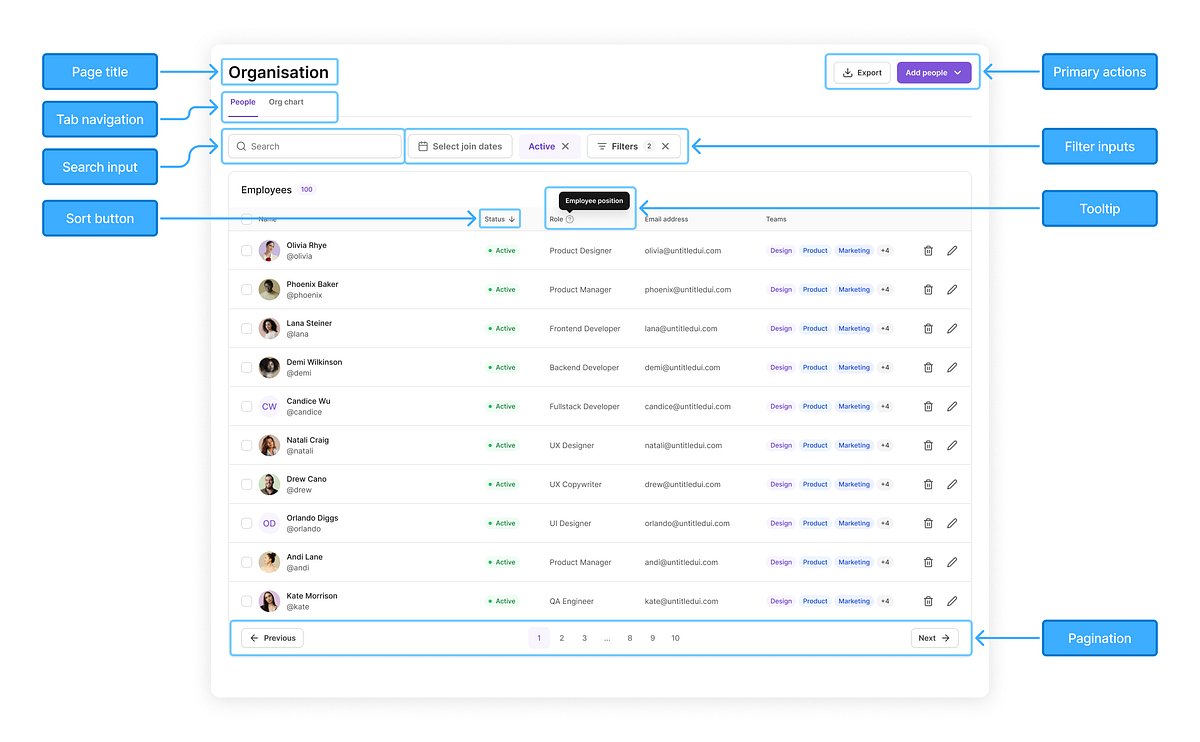
A screen-first path into atomic design instead of the usual top-down theory. Practical for teams trying to build a system from what they already have rather than starting from a blank component library.
Quick Hits
- Gradient background generatorA free gradient background generator with 20+ animated shader modes....Sidebar.io
- 😺 Microsoft AI scored 83% where doctors got 36%...The Neuron AI
- Can AI Companies Trust Their Safety Monitors When Agents Can Bypass Them?METR and Redwood Research identified vulnerabilities that could conceal AI agent activity from OpenAI’s safety monitors.The Neuron AI
- Everything That Happened in AI Today (Friday, October 23, 2026)AI agents reached bank accounts while a China-linked actor used agentic AI in a supply-chain breach.The Neuron AI
- Supersonic dreams: how post-war France invented the future, and then stopped...UX Collective
- How to scale intent, quality, and artistry with AI (video)Intent Design System, hairline: Line drawings that answer the pointer, How I work, Native masonry layouts with CSS grid lanes....Heydesigner
- Behind Apple Music’s new brand identityFlow in UX, The default wins, You could do it alone....Heydesigner