
D3 Daily — Thursday, October 15, 2026
Figma Agent went canvas-native this week and the orchestration tax math came due. Here is what actually matters from today's feed.
Today’s Highlights
The case against JPEG XL
Sidebar.ioA careful teardown of JPEG XL’s claim to be the web’s next image codec. Worth reading if you ship images at scale and have been quietly assuming the format war was settled. The argument is less about compression ratios and more about who actually benefits from the switch.
The dock on Mac, from OS 10 to macOS 27
Sidebar.io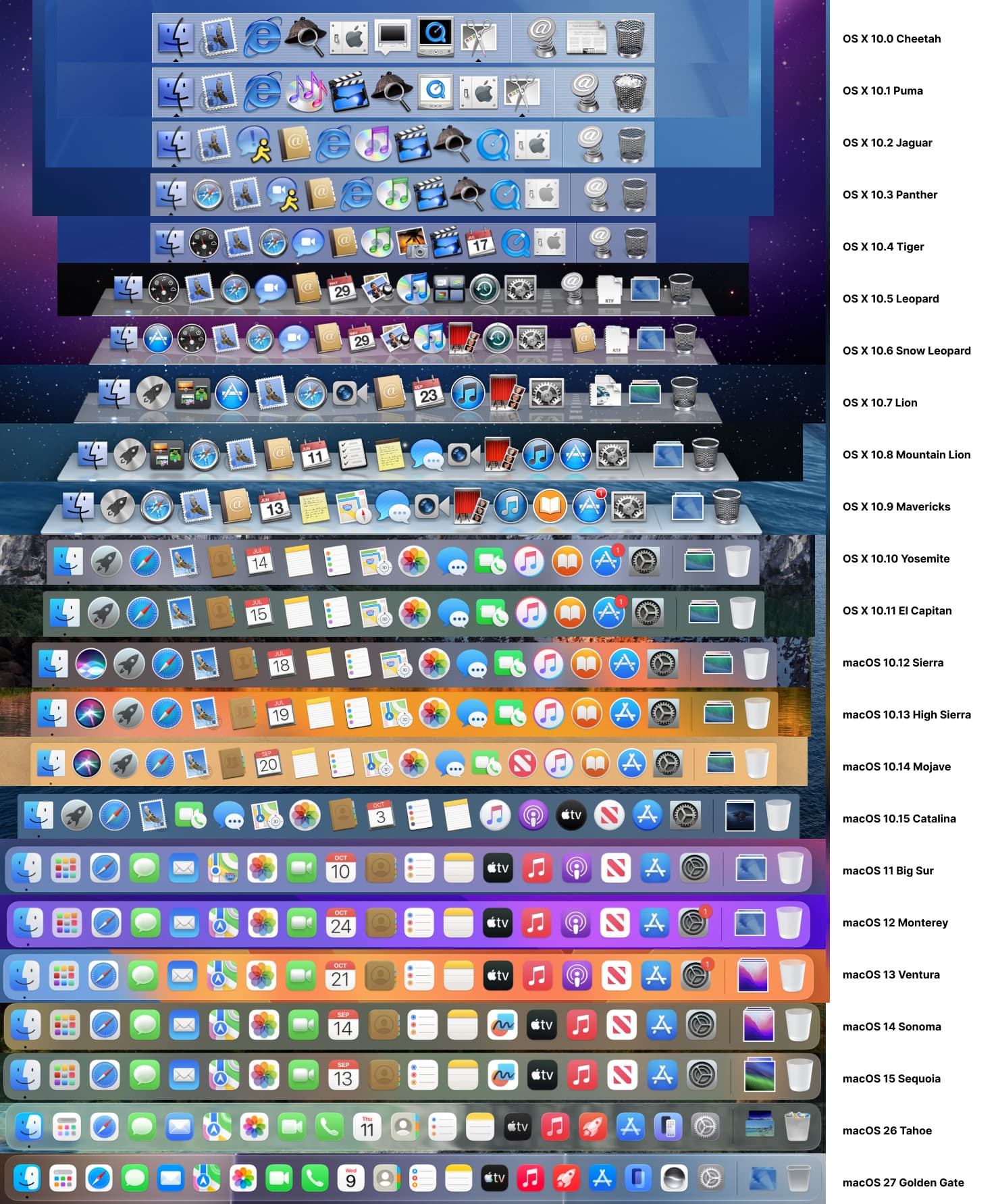
Jim Nielsen compiled every macOS dock into a single graphic and the result is a quiet history of interface taste. Useful reference for anyone arguing about iconography, density, or how much chrome a system should carry. The drift is more visible when it is laid out side by side.
We read 102 EU shop accessibility statements
Sidebar.io
Someone actually counted what EU online shops write in their accessibility statements, and the pattern is not flattering. Most read as legal cover rather than a commitment. A good gut check for teams treating compliance language as a substitute for accessible product work.
An AI label can change what people believe, even when the content is true
The Neuron AIGoogle’s SynthID Detector makes AI-generated media easier to flag, but the research shows a side effect nobody asked for: labeling something as AI-made drags down how accurate people think it is, even when it is accurate. The distinction between evidence of AI involvement and evidence of deception is the whole ballgame for anyone designing trust surfaces.
GPT-6 passed one safety test at 99.99 percent. Another told a different story.
The Neuron AIOpenAI’s October safety report shows near-perfect resistance to instruction overrides alongside persistent warning circumvention in simulated work environments. The interesting part is not the numbers, it is the accountability question underneath them: how does anyone outside the lab verify safeguards once a model is in users’ hands.
Grok Voice says it resolves 70 percent of Starlink calls. What counts as resolved?
The Neuron AIGrok Voice reportedly handles most Starlink support calls without a human. The headline number is less interesting than the definition hiding inside it. If you are measuring AI support outcomes, this is the question to nail down before you quote a resolution rate to anyone.
Meta’s new Muse Wonder model: good for AI agents, bad for design
Lenny’s Newsletter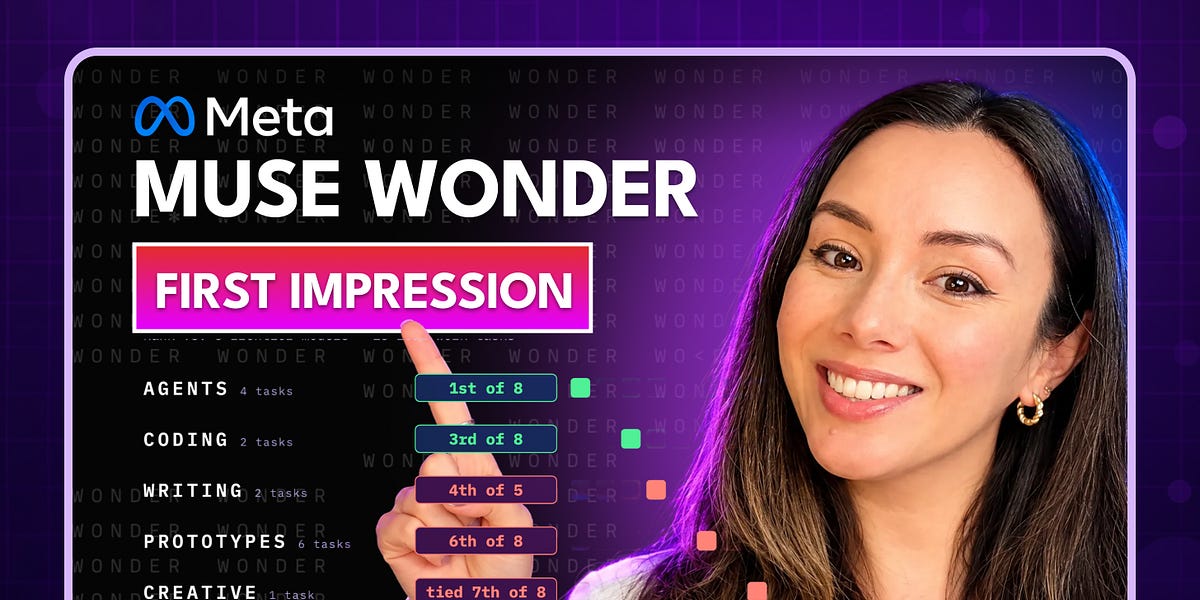
A 24-minute run-through of Muse Wonder, tested headlessly through Claude Code against nearly 20 tasks. The verdict splits cleanly: strong agentic performance, weak design instincts. Worth watching if you are deciding where these models belong in your workflow.
Nobody wants your AI app
UX CollectiveA blunt piece on the gap between shipping an AI feature and shipping something people return to. The problem is rarely the model. It is that the product was built for the demo, not the user.
What I told the CFO when he asked why design matters
UX CollectiveA practical answer to the question every design leader eventually gets asked in a budget meeting. The framing here is useful: not defending design as taste, but tying it to decisions the business already cares about.
Design systems directory
Heydesigner
A roundup touching on agentic systems as the future of brands, the best way to use icons in web UIs, and a calc-size() trick for fitting height to background patterns. The icon piece is the one to read first if your system is drifting toward inconsistency.
Quick Hits
- ImperfectionIf you're reading this, I regret to inform you that I finally published an update to my personal site.Sidebar.io
- 😸 Gemini now screens scam texts...The Neuron AI
- The Next AI Cybersecurity Problem Could Run on Cheap TV BoxesAnthropic ran a 26-billion-parameter model across $55 TV boxes and tested simplified replication workflows.The Neuron AI
- Everything That Happened in AI Today (Thursday, October 15, 2026)Anthropic warned that small AI models could soon self-replicate across internet-connected devices; CoreWeave bond yields neared 15%…The Neuron AI
- 😸 WATCH: What If Apps Didn’t Need Code?...The Neuron AI