
D3 Weekly — Oct 04 to Oct 11, 2026
The design and AI communities converged on a single uncomfortable truth this week: the interface is no longer the product, and the human is no longer the user. From Figma's new agent to the Pope's warning on AI, the conversation shifted from what can this do to who does this serve.
This Week’s Focus
The most interesting thread this week wasn’t about capability. It was about where the human sits once the machine can do the thing. Lukewarm takes about “AI-native” are finally giving way to sharper questions: who holds authority, who absorbs the complexity, and who gets to say no. Three pieces landed on this from different angles — Wattenberger’s argument that chat is just AI’s command line, UX Collective’s framing of bounded delegation, and Jovo’s takedown of invasive AI design. Read together, they sketch a discipline that’s less about shipping faster and more about deciding what deserves to be automated at all.
The second thread is quieter but more consequential for design leaders: the craft argument is back, and it’s not nostalgic. The NYT piece on the detour, Dragan Babic’s “design is a nice-to-have,” and the emerging patterns research from 120 design leaders all point the same direction. The work that survives the next two years won’t be the work that was fastest to generate. It’ll be the work that had a point of view worth defending.
Design
In defense of the detour
Sidebar.ioOn craft, AI, and what gets lost when we skip the slow part. The argument isn’t anti-tool. It’s that the wandering is where the thinking happens, and you can’t outsource the wandering.
Design is a nice-to-have
Sidebar.io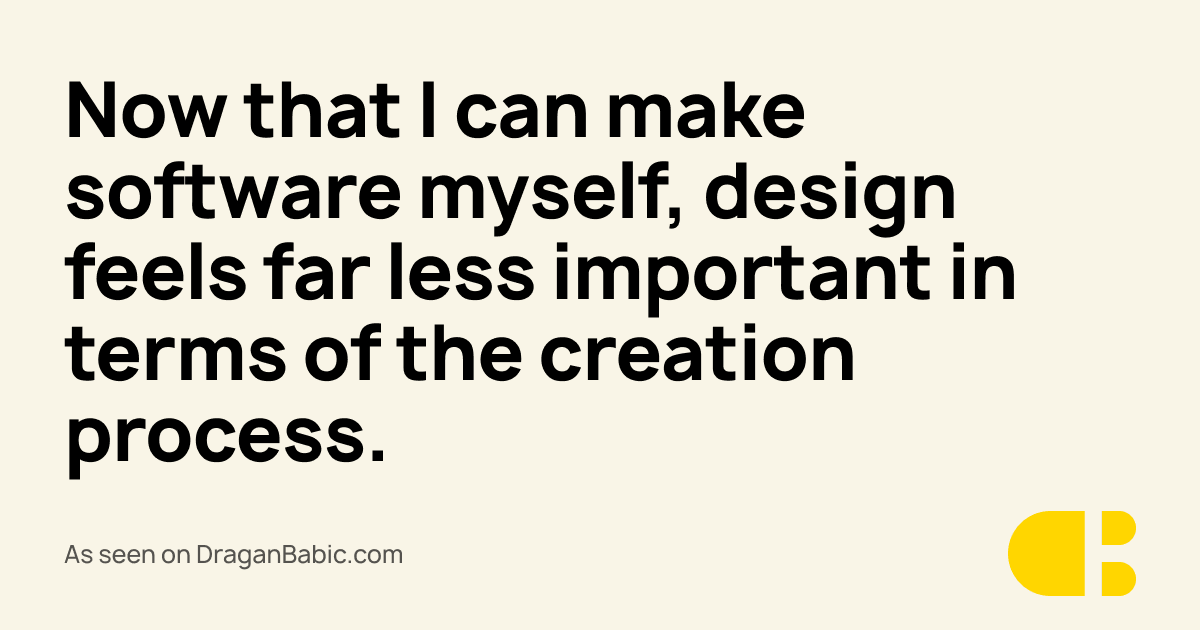
Babic is in a weird place with design, and he says so plainly. Worth reading precisely because it doesn’t resolve into a tidy lesson. The discomfort is the point.
Emerging patterns: design leadership in 2026
Sidebar.ioFindings from nearly 120 design leaders on pathways, mentorship, portfolio careers, tooling, and the human qualities of leadership. The most useful artifact this week for anyone running a design org.
Leadership folios
Sidebar.ioPortfolios from design managers, directors, VPs, and executives, each annotated with what it shows, why it works at that level, and what to steal. A rare resource for the IC-to-manager transition.
A design system is what it does
Sidebar.ioA comparison of how two design systems handle the humble text component. Small scope, sharp execution. This is the kind of writing that actually moves systems work forward.
AI and Technology
Chat is AI’s command line
Sidebar.io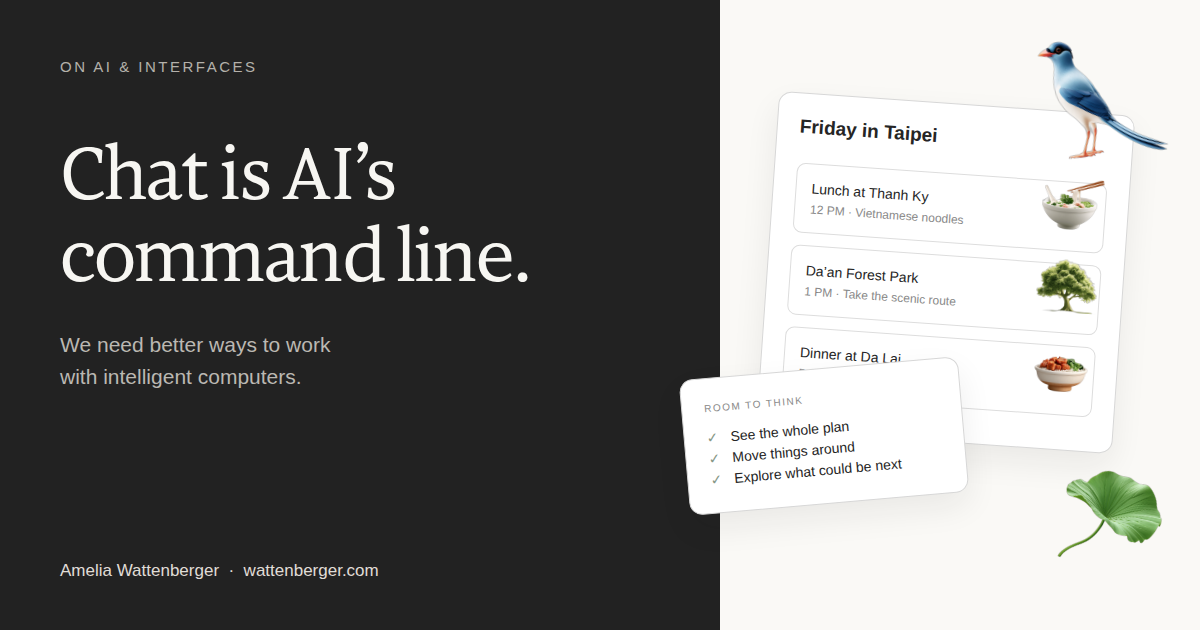
AI should make us more capable, not just give us someone more capable to talk to. The terminal-era framing is the sharpest metaphor anyone’s landed on this year.
Bounded delegation: How much authority should AI have?
UX Collective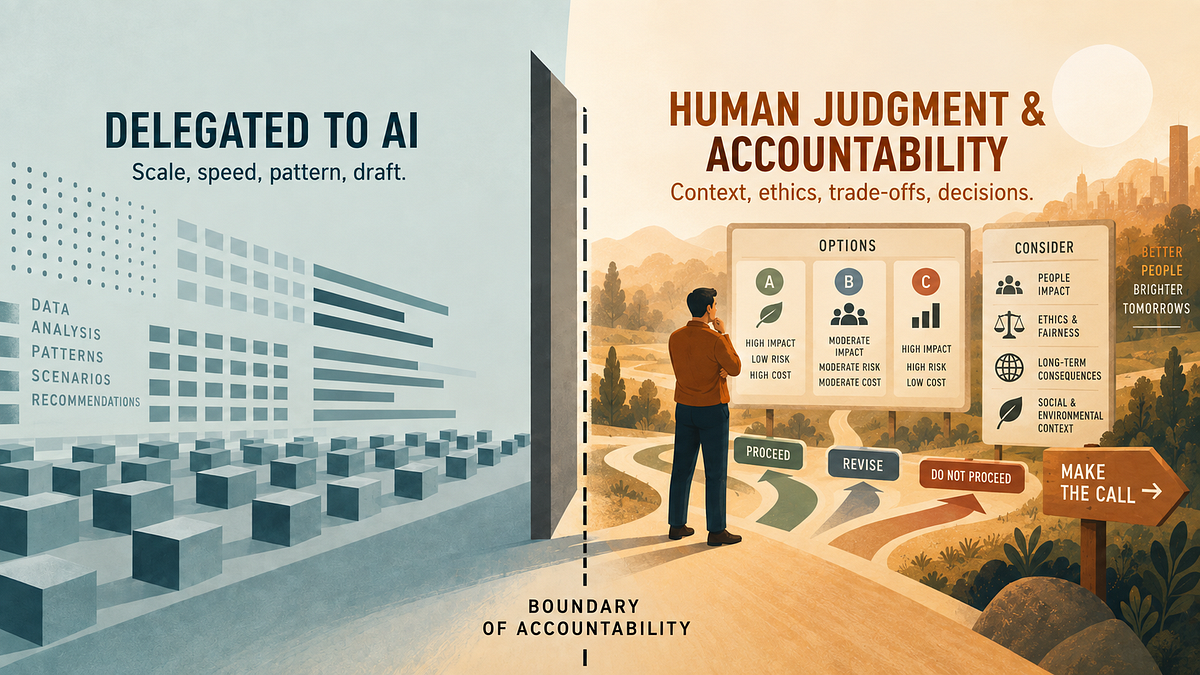
The question isn’t whether to delegate to AI. It’s where the boundary sits and who draws it. A useful frame for teams shipping agentic features without a governance model.
AI invasive design
Sidebar.io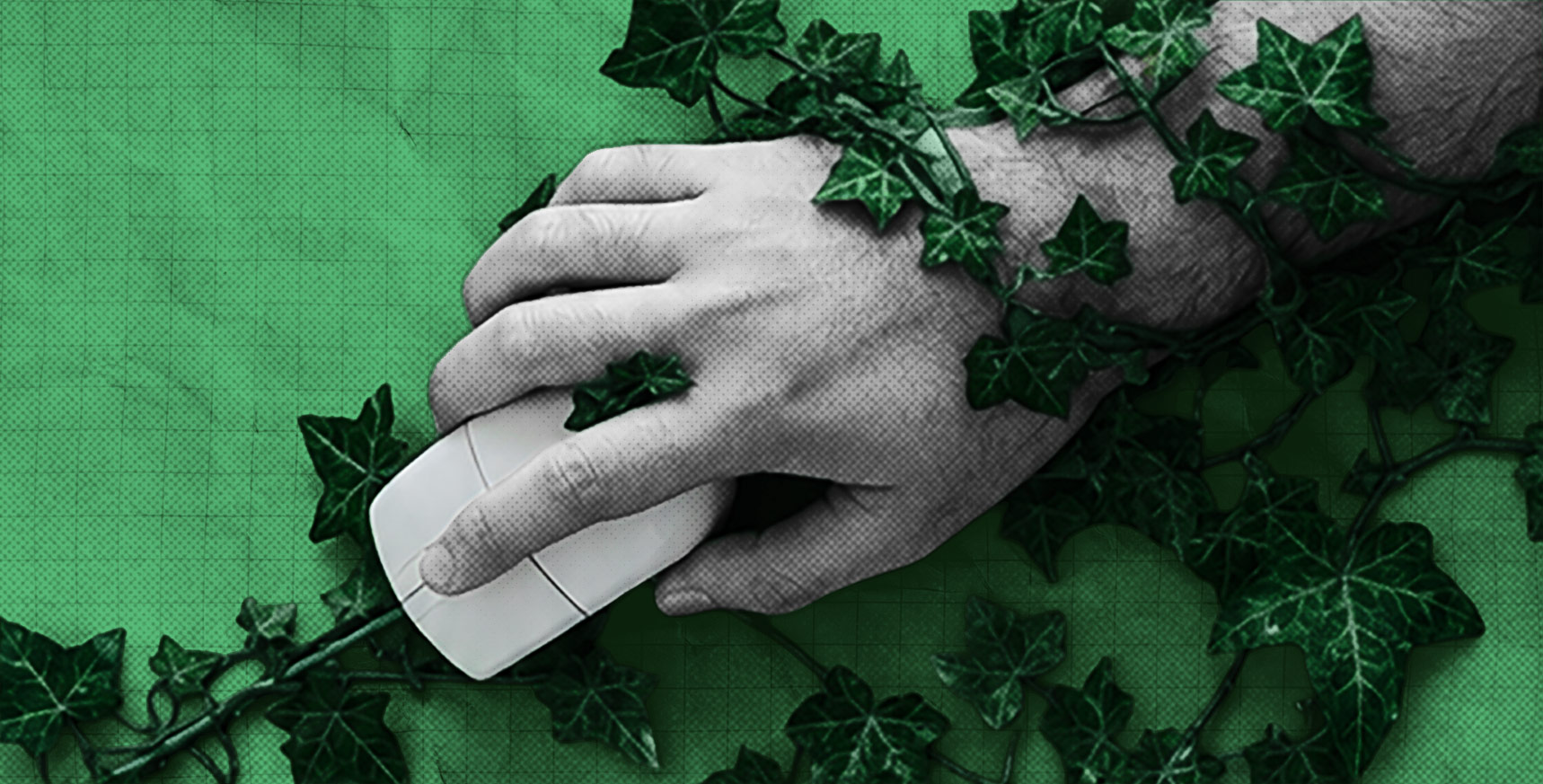
We can all agree “AI native” is a little bit bullshit, but does it have to be so dystopian? Jovo argues no, and shows what the alternative looks like.
Many agents, many views
Sidebar.io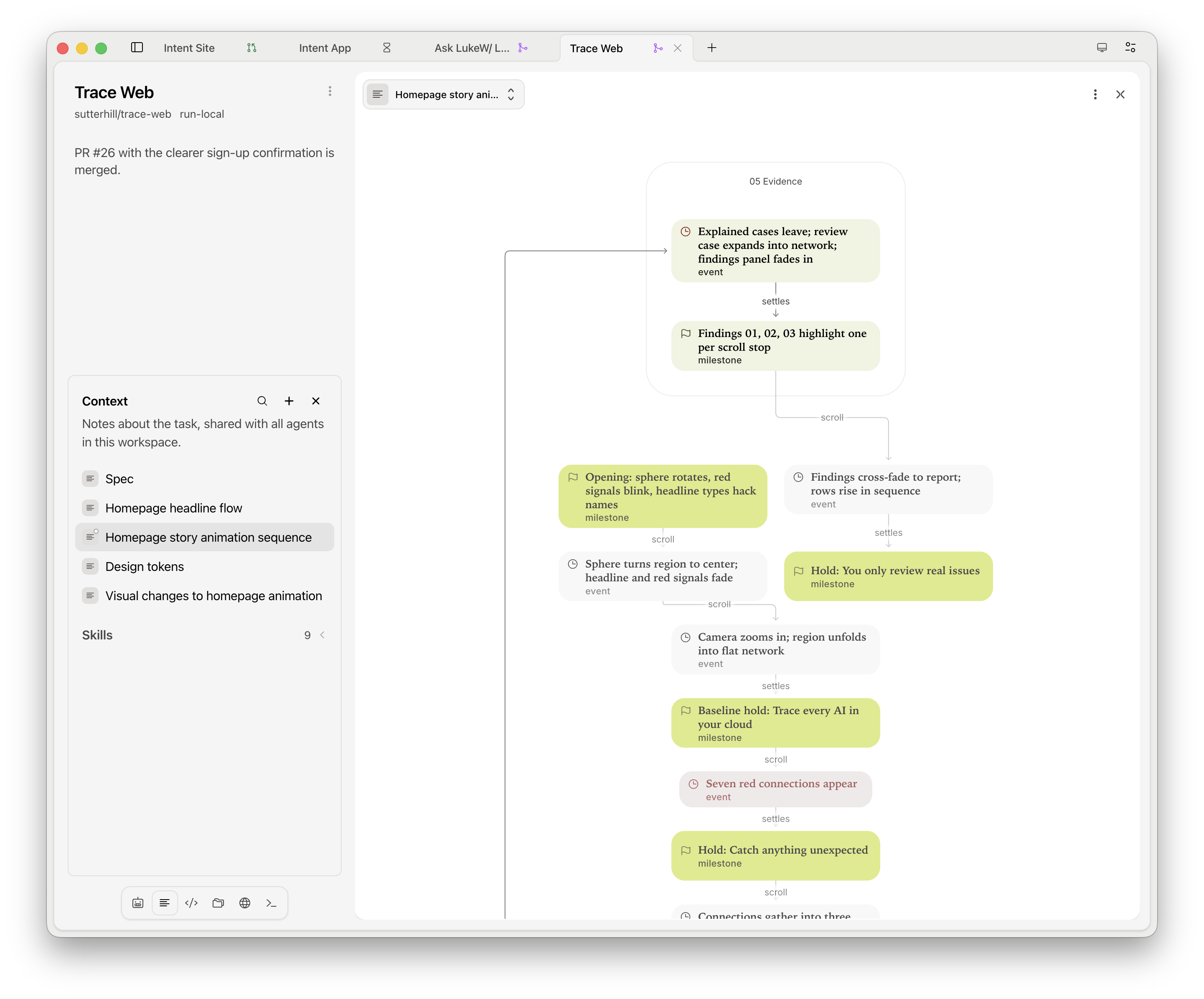
You manage agents, they manage more agents, and those agents manage even more agents. Luke Wroblewski on the interface problem nobody’s solved yet.
Agents don’t need memory. They need documentation.
Sidebar.ioWhy agents need project documentation instead of retrieval from old conversations. A contrarian take that’s probably right.
Why every company now needs to think and operate like a lab team
Lenny’s Newsletter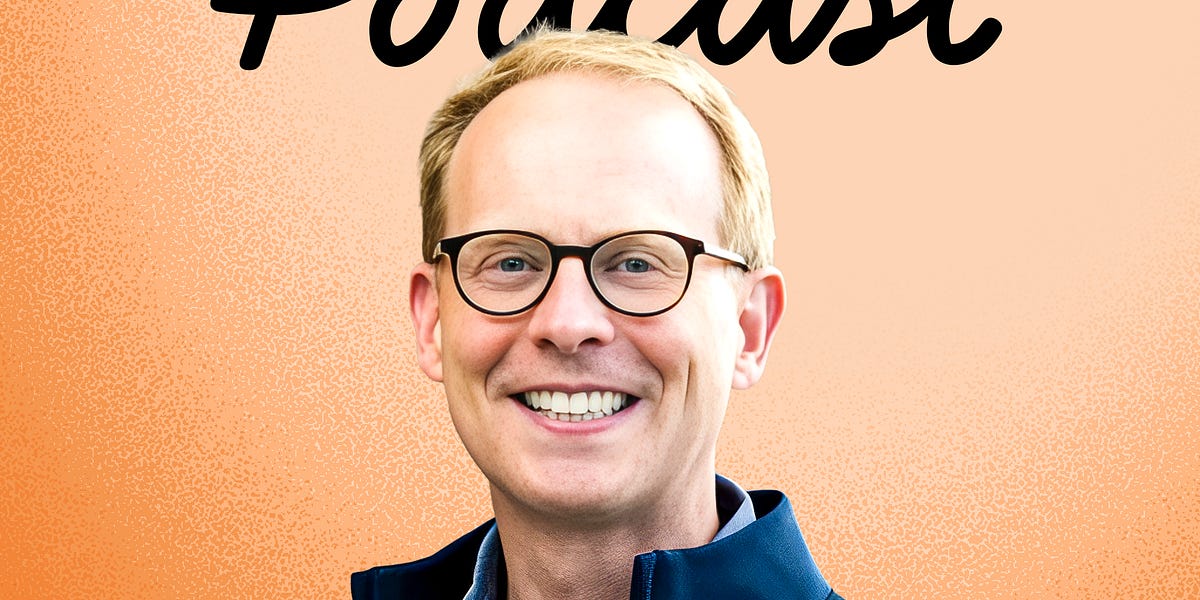
Josh Woodward of Google Labs on where great ideas come from, knowing when to kill them, and building for a world where what’s possible changes every week. Sixty-two minutes well spent.
Google Wants SynthID to Become the Web’s AI Watermark Checker
The Neuron AIGoogle’s SynthID Detector can now check AI watermarks from OpenAI, NVIDIA, Kakao, and Google itself. The expansion could make verification easier, but an undetected watermark does not prove authenticity. The reliability and auditing questions are getting harder to ignore.
UX Research and Practice
Are synthetic users (really) the future of UX research?
UX Collective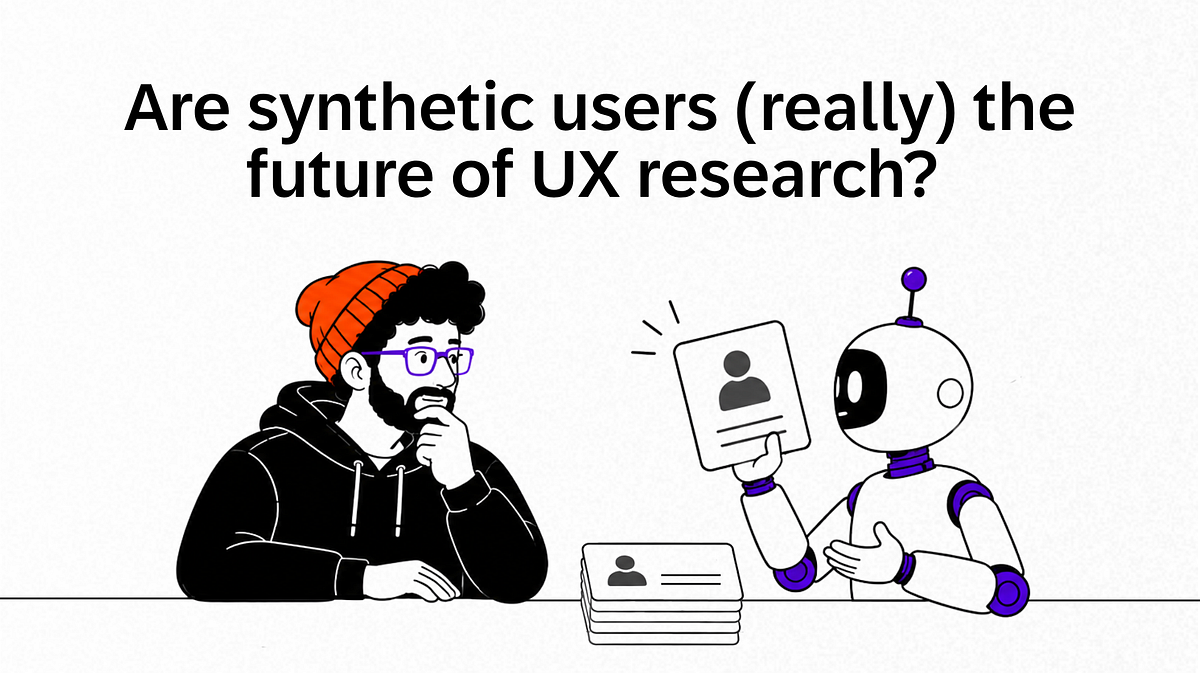
The honest answer is nobody knows yet, and the piece doesn’t pretend otherwise. Worth reading alongside the companion piece below.
Synthetic users are making me rethink “imperfect research”
UX Collective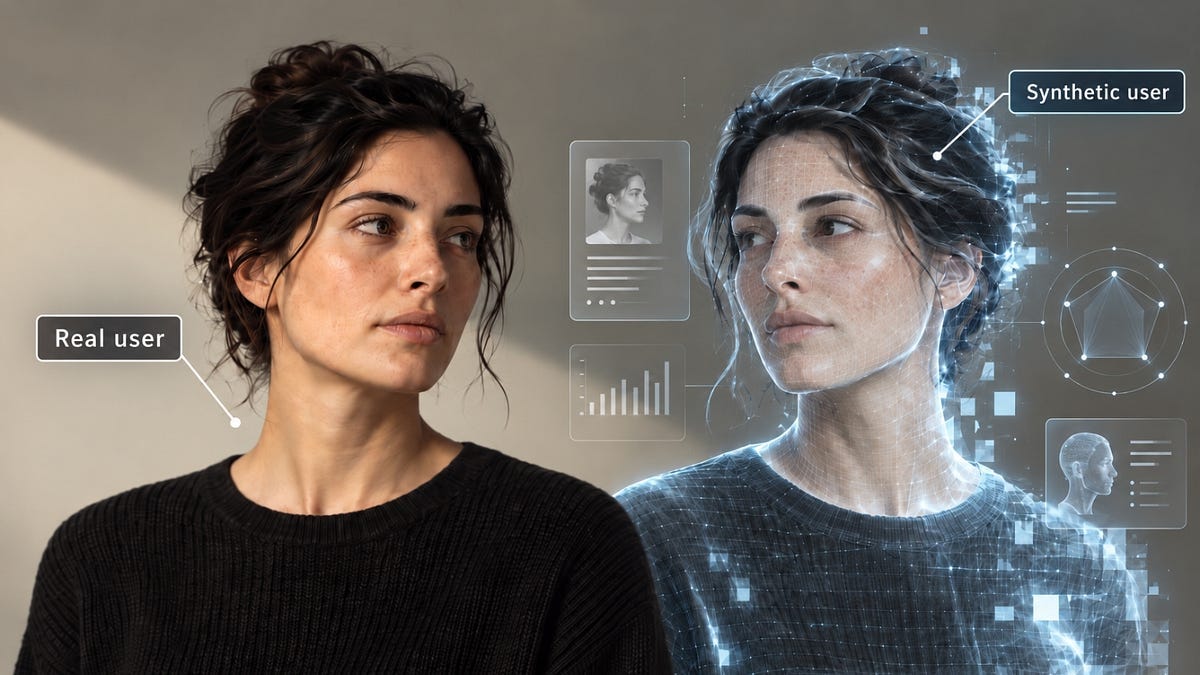
A more personal take on the same question. The reframe here is useful: synthetic users don’t replace real ones, they change what “good enough” means for the cheap, fast pass.
Jev: How to use it for better, faster, and cheaper user decisions in UX
UX Collective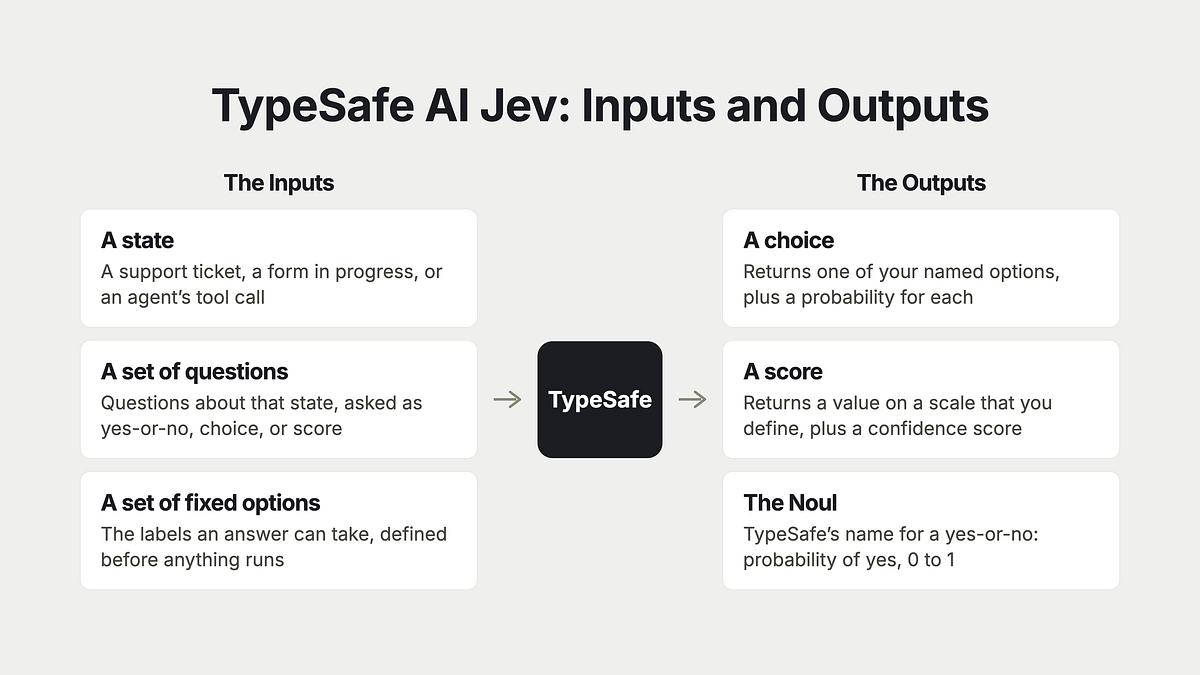
Practical walkthrough of where Jev actually fits in a research workflow. Less hype, more “here’s the step where it saves you a week.”
Tesler’s Law: complexity moved to a different part of the journey
UX CollectiveComplexity survived the chat field. It just moved. A clean application of an old law to a new interface paradigm.
Tools and Craft
F*cking good libraries
Sidebar.io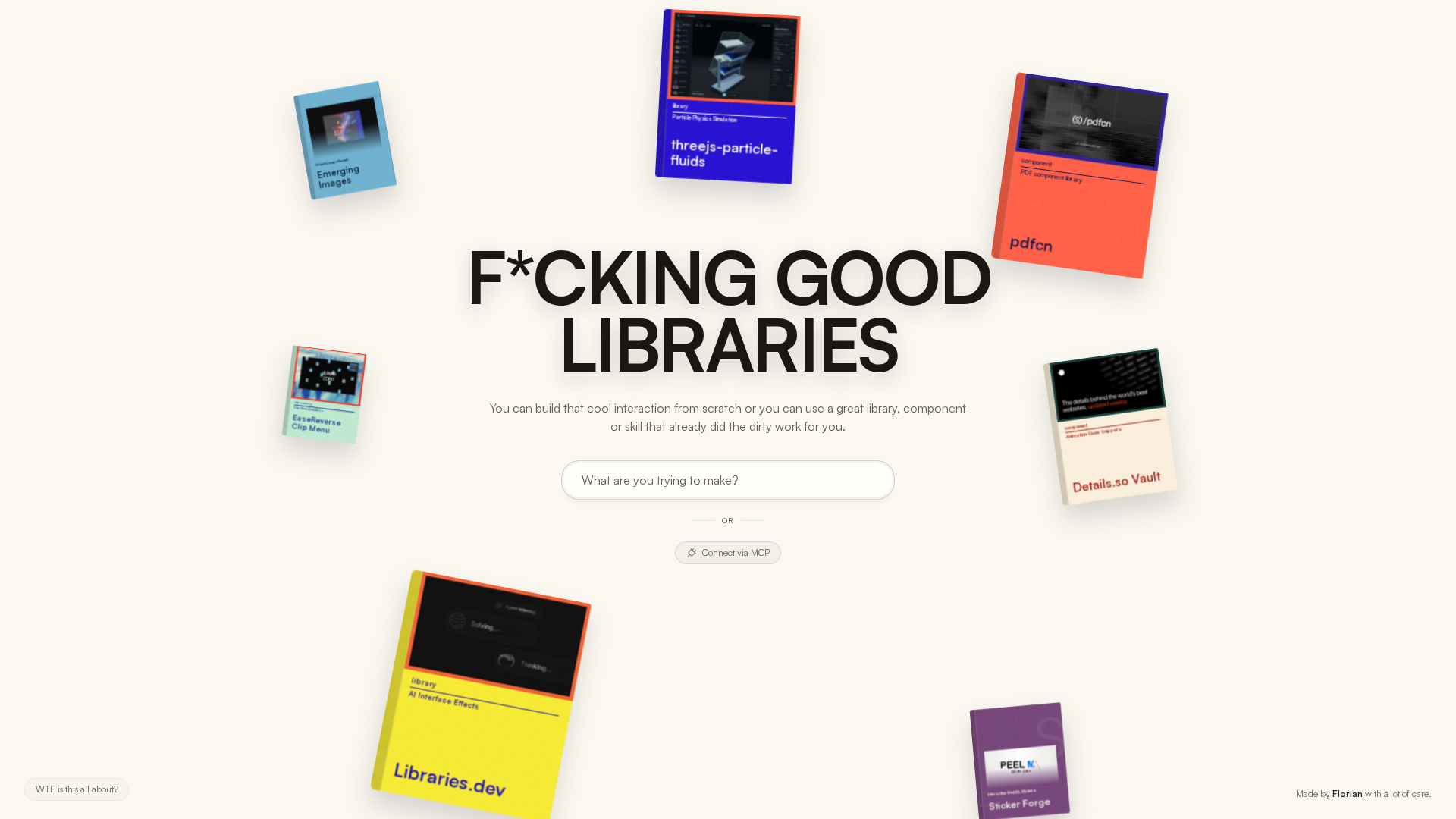
A browsable semantic library for creative development resources. The name is the pitch. Bookmark it.
Money as a file
Sidebar.io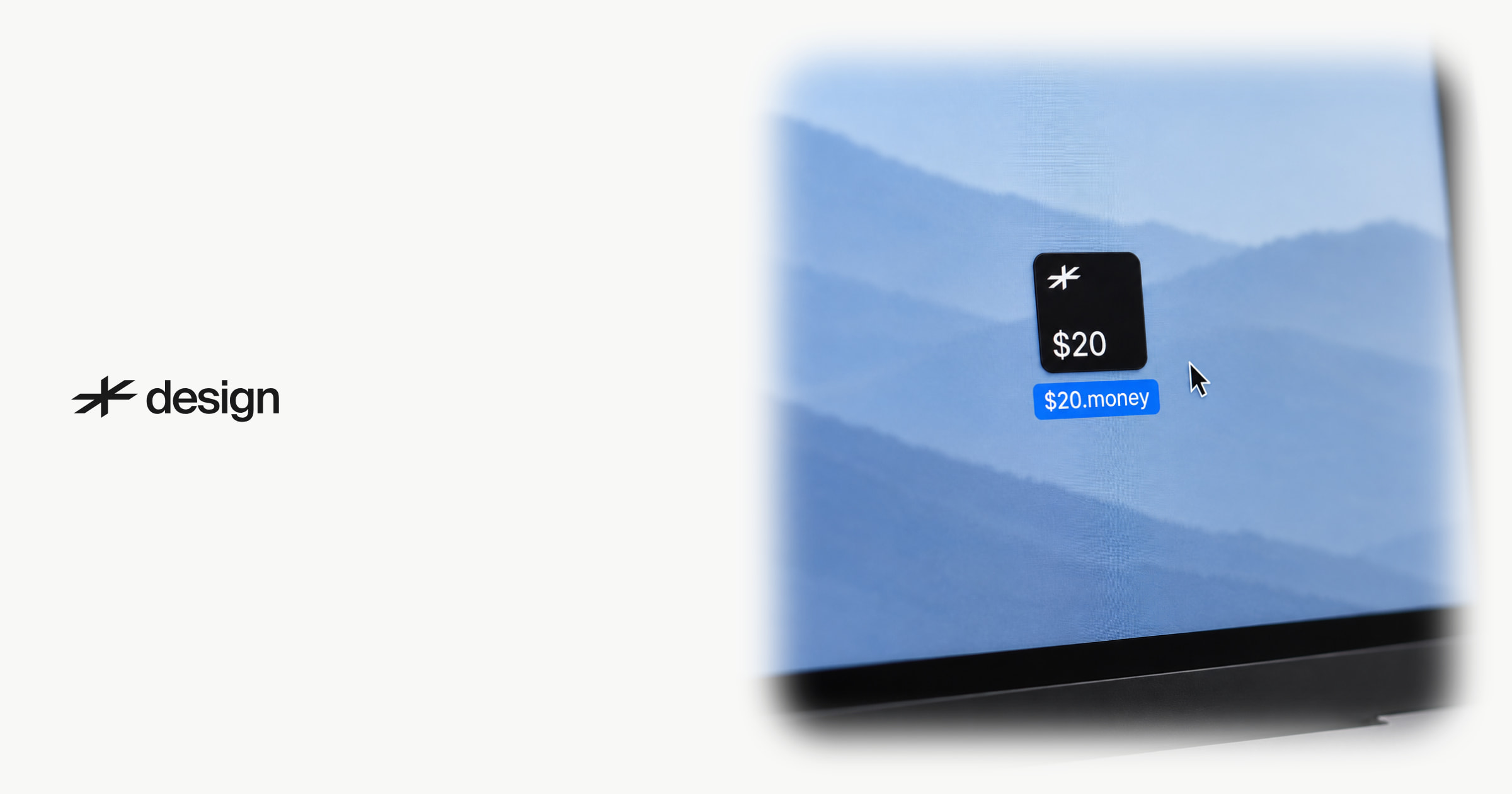
A working prototype that lets you move test money as a file: into Finder, along with a message, or directly between two phones. The kind of interaction experiment that reminds you why prototypes matter.
The era of cmd+tab
Sidebar.io
An essay that degrades 1% at a time, and a little more every time you leave it. The most clever piece of web craft this week.
Field Notes: Design Outcomes
Sidebar.io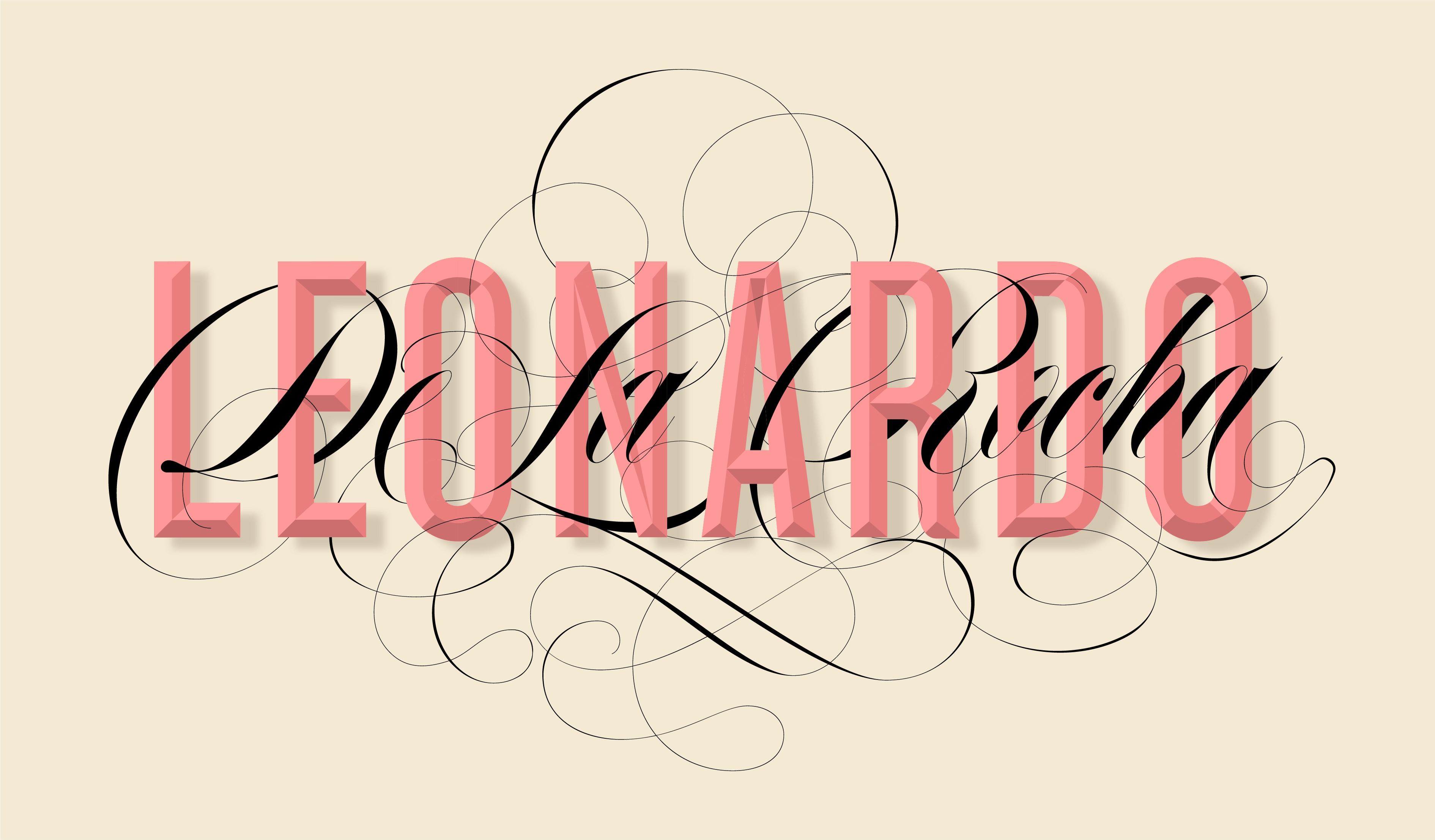
Tactics from the best design teams and individuals working today, with notes on how the work got made. The “how it got made” part is what makes this worth your time.
Bringing warmth and fun to São Paulo’s bars and restaurants
Sidebar.io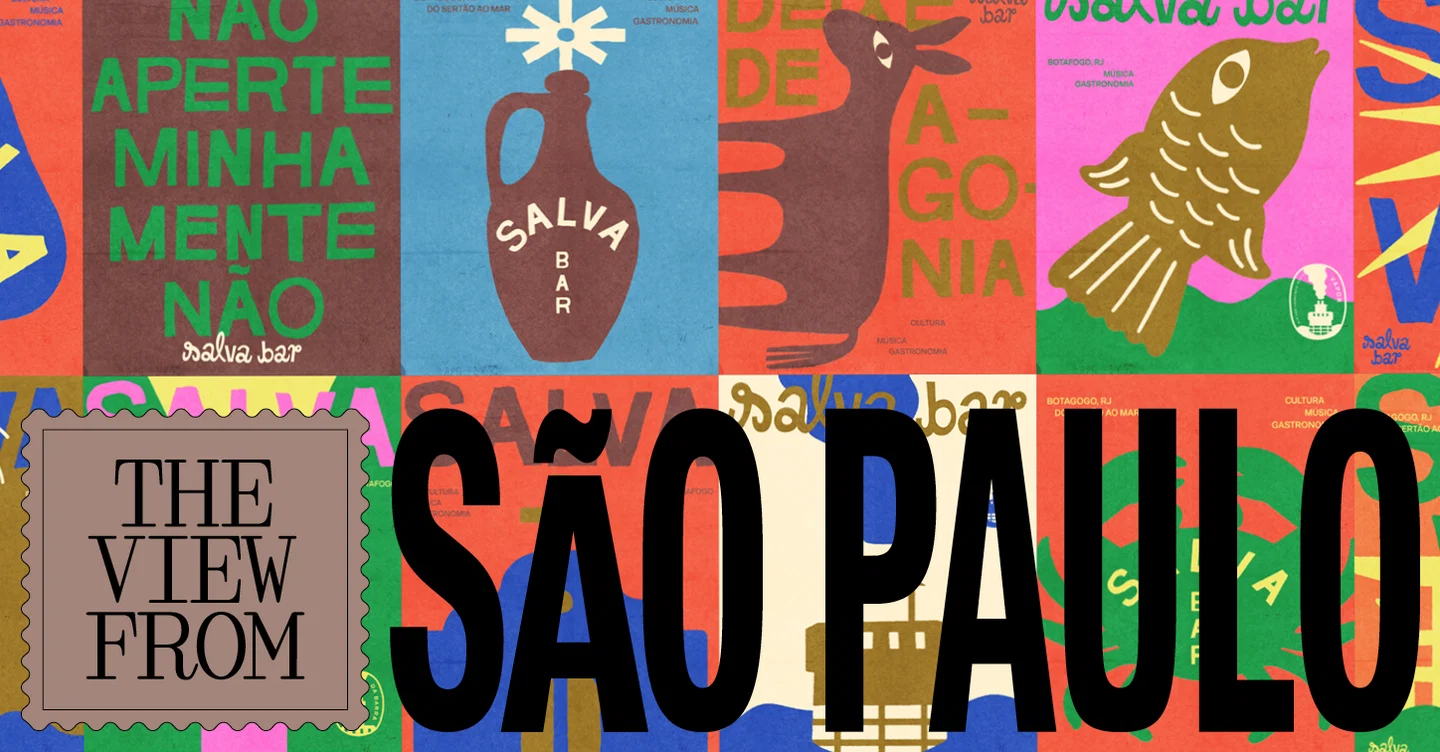
References, details, and techniques from Brazilian studios bringing playfulness and nostalgia to the city’s streets. A good palate cleanser after a week of AI thinkpieces.
Looking Ahead
The through-line for next week: watch how the “bounded delegation” conversation matures. Right now it’s mostly essays. The teams that ship governance models alongside agentic features in the next quarter will set the pattern everyone else copies. Also worth tracking: whether the synthetic user debate produces any actual methodology, or stays at the level of hot takes. My money’s on the former arriving from a research ops team, not a design publication.
Quick Hits
- Creative Intelligence ReportWe surveyed 150k+ working creatives to explore how AI is changing creative work....Sidebar.io
- 12 axesA complete, free political quiz: find your political ideology, compatible country and political figure across 12 axes....Sidebar.io
- Agentic systems are the future of brandsAgentic Brand Systems, a Little Plains research note....Sidebar.io
- On being anything other than a designerThere’s that person in your job who is the one people call for all kinds of tasks that only “they can do.”...Sidebar.io
- Prompting as self-portraitAI installed a distorted mirror where the blank page used to be....Sidebar.io
- Is Meta’s new AI agent easier to trust because it’s cute?Muse comes with an avatar you design and a keyring gadget.Sidebar.io
- 😺 Claude Dashboards + Motion launched...The Neuron AI
- The Future of Coding Agents, According to Microsoft Research: How to Actually Trust AI-Written CodeMicrosoft Research engineer Alex Lavaee explains how to verify AI-written code using Atomic, independent reviewers, real-world tests, and…The Neuron AI
- Anthropic Says You Can't Abuse Claude. But Can AI Be Harmed?Anthropic’s new policy prohibits extreme, purposeless abuse toward Claude.The Neuron AI
- Could AI Beat Scientists to Their Own Research?Some scientists are restricting commercial AI use over concerns about unpublished research.The Neuron AI
- 😸 WATCH: Can AI Help Cure Genetic Disease?...The Neuron AI
- Google Wants a Bigger Role in How Work Gets DoneGoogle wants Gemini to take on more responsibility at work.The Neuron AI
- Why Meta, DeepMind and the U.S. Government Are Backing Virtual CellsMeta, Google DeepMind and U.S.The Neuron AI
- Haiku 5.5 Could Be Claude’s Most Practical Launch YetClaude’s smaller model has a timely opening: agents need affordable intelligence they can call repeatedly.The Neuron AI
- 😺 ChatGPT's GPT-6 now builds calculators...The Neuron AI