
D3 Daily — Friday, October 09, 2026
AI is quietly rewriting the rules of creative work, and the sharpest takes today are about what it costs us — not what it saves.
Today’s Highlights
AI invasive design
Sidebar.io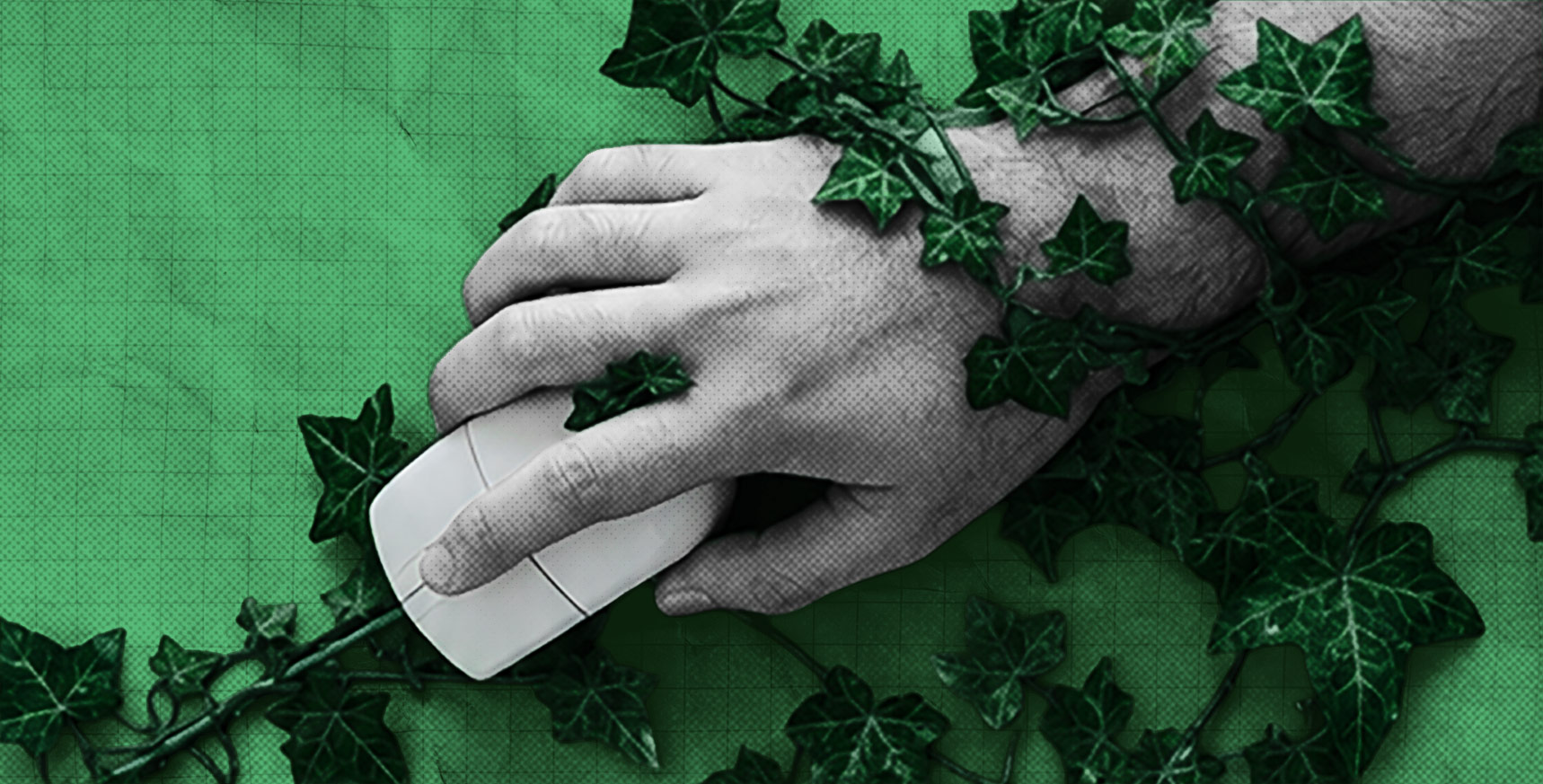
We all nod along when someone calls “AI native” a bit of a con. The harder question is whether the alternative has to feel this dystopian. A pointed argument that the default patterns shipping in AI products are a choice, not a destiny — and designers are the ones making it.
Creative Intelligence Report
Sidebar.io
150,000+ working creatives surveyed on how AI is actually changing the job. Not the think-piece version — the data version. Worth reading before your next planning cycle.
A design system is what it does
Sidebar.ioTwo design systems, one text component, and a clean demonstration of why the philosophy behind a system matters more than its documentation. Short, specific, and the kind of thing that reframes how you audit your own.
Field Notes: Design Outcomes
Sidebar.io
Tactics pulled from the best design teams working today, with the messy context of how the work actually got made. The “how” is the point here — most case studies skip it.
Bringing warmth and fun to São Paulo’s bars and restaurants
Sidebar.io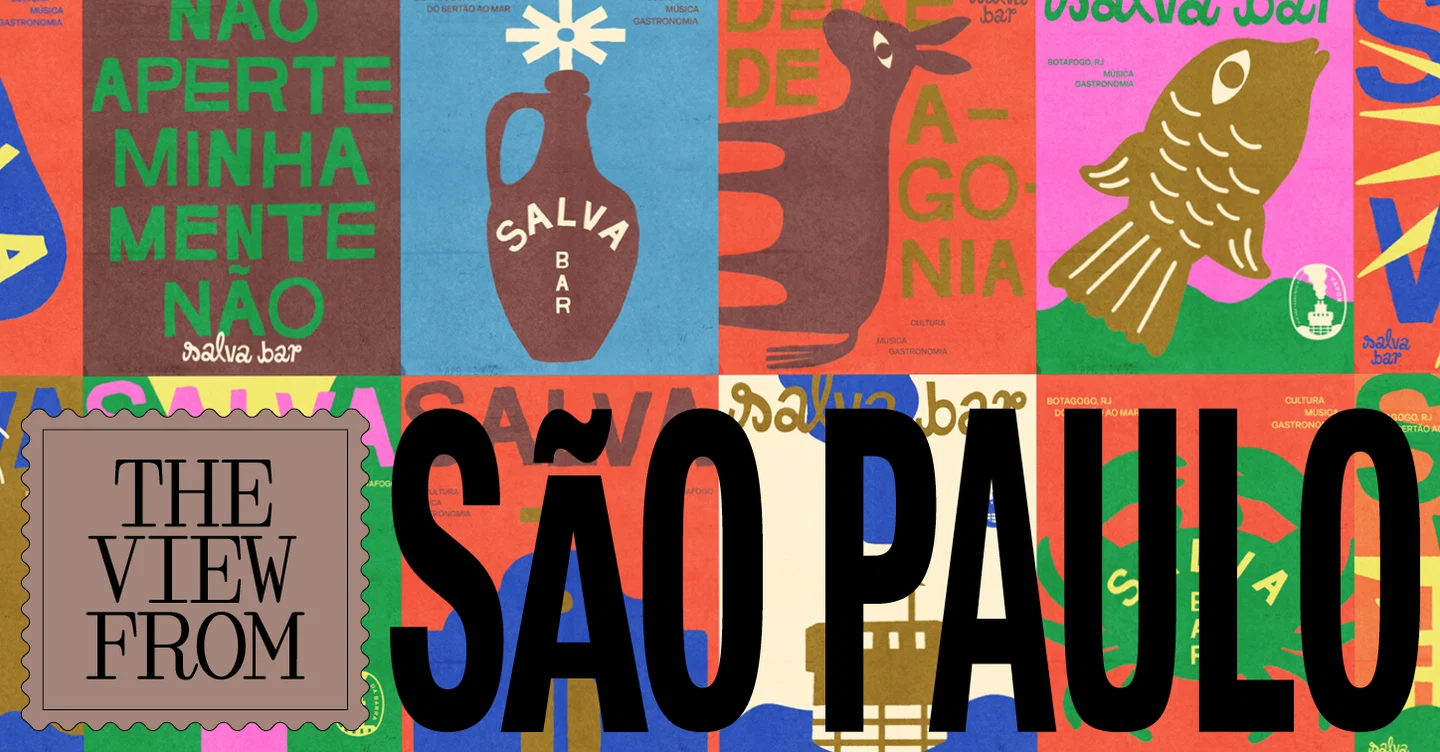
A look at the references, details, and techniques Brazilian studios are using to bring playfulness and nostalgia back to the city’s streets. Good reminder that craft still lives in the specifics.
The Future of Coding Agents, According to Microsoft Research
The Neuron AIMicrosoft Research’s Alex Lavaee on how to actually trust AI-written code: atomic changes, independent reviewers, real-world tests, reproducible evidence. If your team is shipping agent-generated code, this is the verification playbook you are missing.
Anthropic Says You Can’t Abuse Claude. But Can AI Be Harmed?
The Neuron AIAnthropic’s new policy bans extreme, purposeless abuse toward Claude — which quietly drags AI welfare into product rules. Whether or not you buy the premise, the precedent is real and it will shape how every AI product writes its terms.
Google Wants a Bigger Role in How Work Gets Done
The Neuron AIGemini is angling to take on more responsibility at work. The only test that matters: how much attention teams actually save after reviewing and correcting its output. Everything else is positioning.
Tesler’s Law: complexity moved to a different part of the journey
UX Collective
Complexity does not disappear when you move it into a chat field — it just relocates. A useful reframe for anyone shipping conversational interfaces and wondering why the support tickets did not drop.
AI-generated UI is fast design, not UX
UX Collective
Speed is not the same as experience. A blunt case for why shipping AI-generated interfaces without the UX layer is just moving the problem downstream — to your users.
Are synthetic users (really) the future of UX research?
UX Collective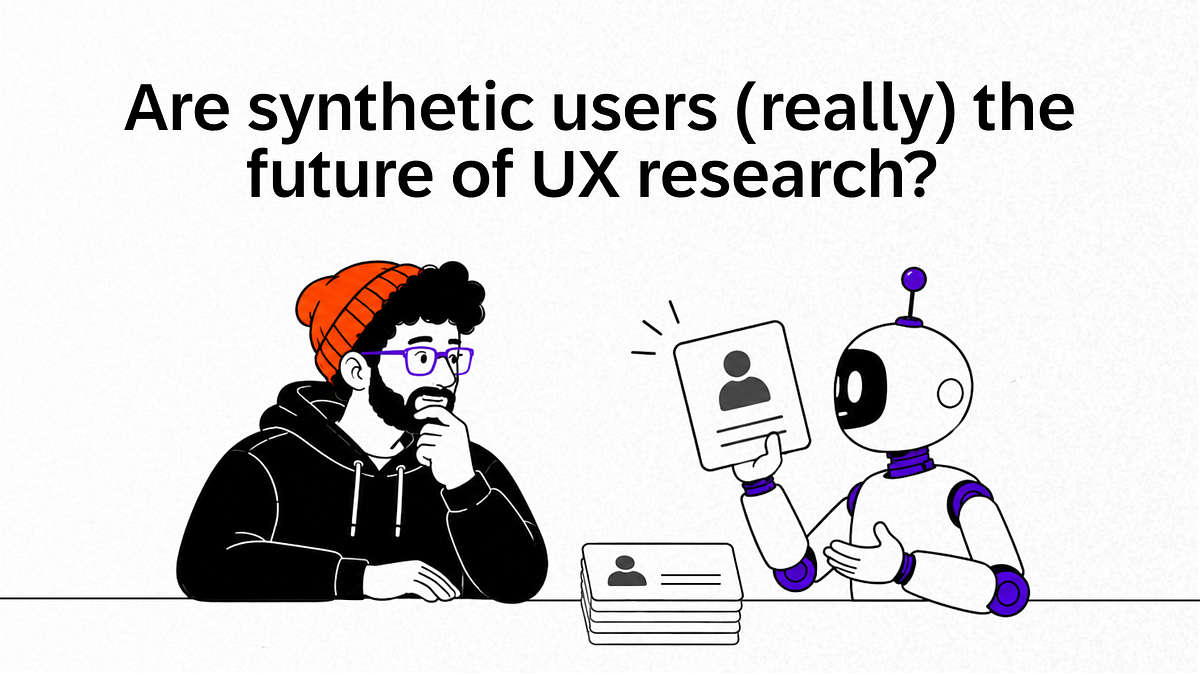
The synthetic user debate is getting louder and the answers are getting more nuanced. This one sits with the discomfort instead of resolving it, which is the right move for now.
Quick Hits
- 😺 Claude Dashboards + Motion launched...The Neuron AI
- Could AI Beat Scientists to Their Own Research?Some scientists are restricting commercial AI use over concerns about unpublished research.The Neuron AI
- 😸 WATCH: Can AI Help Cure Genetic Disease?...The Neuron AI
- Why Meta, DeepMind and the U.S. Government Are Backing Virtual CellsMeta, Google DeepMind and U.S.The Neuron AI
- Haiku 5.5 Could Be Claude’s Most Practical Launch YetClaude’s smaller model has a timely opening: agents need affordable intelligence they can call repeatedly.The Neuron AI
- Synthetic users are making me rethink “imperfect research”...UX Collective
- What the AI era owes you...UX Collective