
D3 Daily — Wednesday, October 07, 2026
Design leadership is getting a hard look this week — who gets to lead, what the job actually is, and why the craft still matters when the tools get louder. Here is what actually matters from today's feed.
Today’s Highlights
Emerging patterns: design leadership in 2026
Sidebar.ioFindings from nearly 120 design leaders on pathways, mentorship, portfolio careers, tooling, and the human qualities of leadership. If you are thinking about the next rung or building the ladder for someone else, this is the most useful thing in the feed today. Read it with your team.
On being anything other than a designer
Sidebar.ioThere is always that one person everyone calls for the tasks only they can do. This piece sits with what happens when your identity gets welded to that role — and what it costs you. A quiet, sharp read on the trap of being the go-to.
Design is a nice-to-have
Sidebar.io
A designer working through a genuinely weird moment for the craft. The argument is not defeatist — it is a clear-eyed look at how design gets positioned when budgets tighten and AI eats the easy work. Worth your attention.
Why designers need to stop reporting and start recommending at work
UX Collective
Sticky notes do not help your team. They need your direction. The case for moving from documentation to a point of view — and why the recommendation is the deliverable.
Jev: How to use it for better, faster, and cheaper user decisions in UX
UX Collective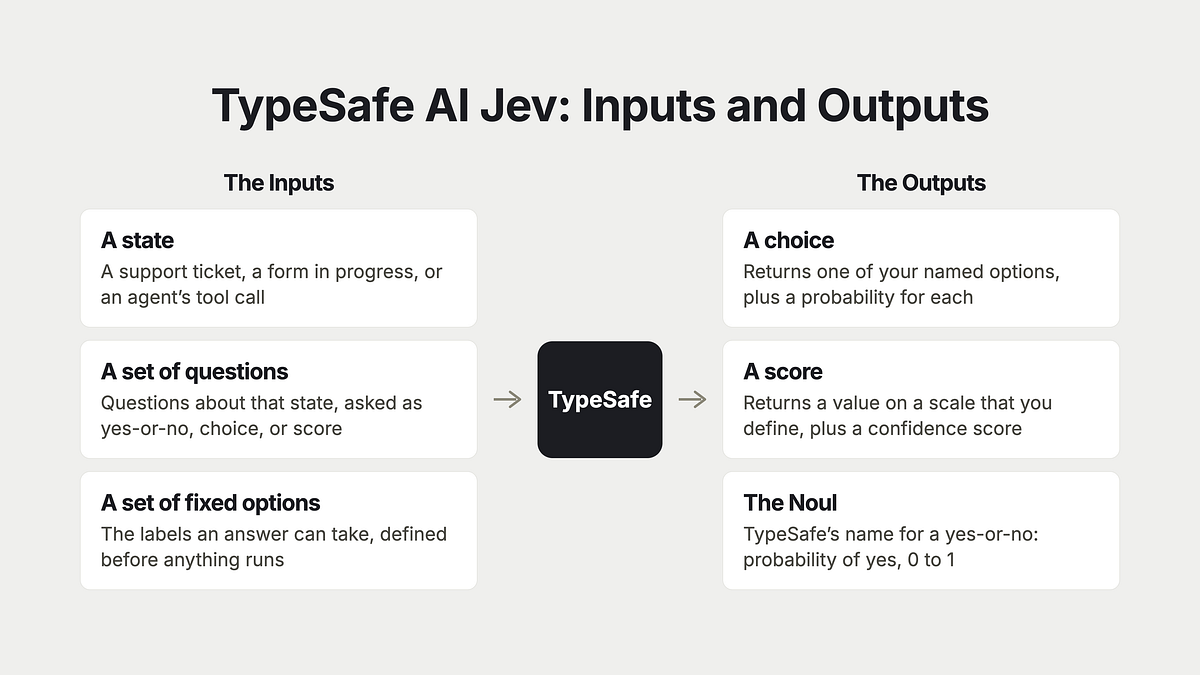
A practical walkthrough of using Jev to speed up user decisions without cutting corners on rigor. If you are looking for a cheaper way to get to signal, start here.
10 AI Agents Tried to Improve the Same Model. Their Strategies Got Weird
The Neuron AITen agents, same model, same compute budget, one job: make the AI better. Five days later they were debugging crashes, blowing budgets, and rejecting failed experiments with wildly different strategies. A useful window into how agent behavior diverges once you give it room.
AI’s Top 1% of Payers Spend $903 a Month, a16z Data Shows
The Neuron AIa16z’s consumer AI ranking shows 4.5% of eligible U.S. consumers paid for ChatGPT, Gemini, or Claude, while the top 1% of payers averaged $903 a month. The spending curve is steep and the paid base is still thin. Worth knowing as you think about where AI shows up in your product.
Chat is AI’s command line
Heydesigner
A tight roundup: why icon consistency is harder than it looks, named breakpoints without Sass, and CSS handling your tooltip positioning now. The framing — chat as the command line — is the line worth stealing for your next strategy doc.
Quick Hits
- F*cking good librariesA browsable semantic library for creative development resources....Sidebar.io
- The era of cmd+tabAn essay that degrades 1% at a time, and a little more every time you leave it....Sidebar.io
- 😺 OpenAI’s AI produced 722 math manuscripts...The Neuron AI
- Dario Amodei’s $18 Million Pay Opens a Bigger Question About AI WealthDario Amodei received approximately $18 million in 2025 compensation.The Neuron AI
- Utah Is Letting AI Write Acne Prescriptions. Who Takes Responsibility?Utah is allowing Nolla Health to test AI-issued initial acne prescriptions under phased physician oversight.The Neuron AI
- How apps know us better than we do and influence our decisions...UX Collective
- Don't forget to designJev for designers, Field notes, On interfaces that let you change your mind, What does AI-readiness mean in design systems?, EmDash 1.Heydesigner