
D3 Daily — Tuesday, October 06, 2026
Meta shipped a cute agent to win trust, OpenAI will watermark its own text, and Microsoft wants to meter your agents. The trust and cost questions arrived on the same day.
Today’s Highlights
Prompting as self-portrait
Sidebar.ioAI installed a distorted mirror where the blank page used to be. The prompts you write say more about you than the output they produce. Worth reading if you have been treating prompting as a mechanical skill instead of a reflective one.
Leadership folios
Sidebar.io
Portfolios from design managers, directors, VPs, and executives, each annotated with what it shows, why it works at that level, and what to steal. If you are hiring senior design leaders or building your own case, this is the reference you have been missing.
Is Meta’s new AI agent easier to trust because it’s cute?
Sidebar.io
Muse comes with an avatar you design and a keyring gadget. Few people would hand Meta their passwords, yet it topped the US App Store. The trust mechanics here are worth studying — cuteness as a trust proxy is a design decision with real consequences.
Many agents, many views
Sidebar.io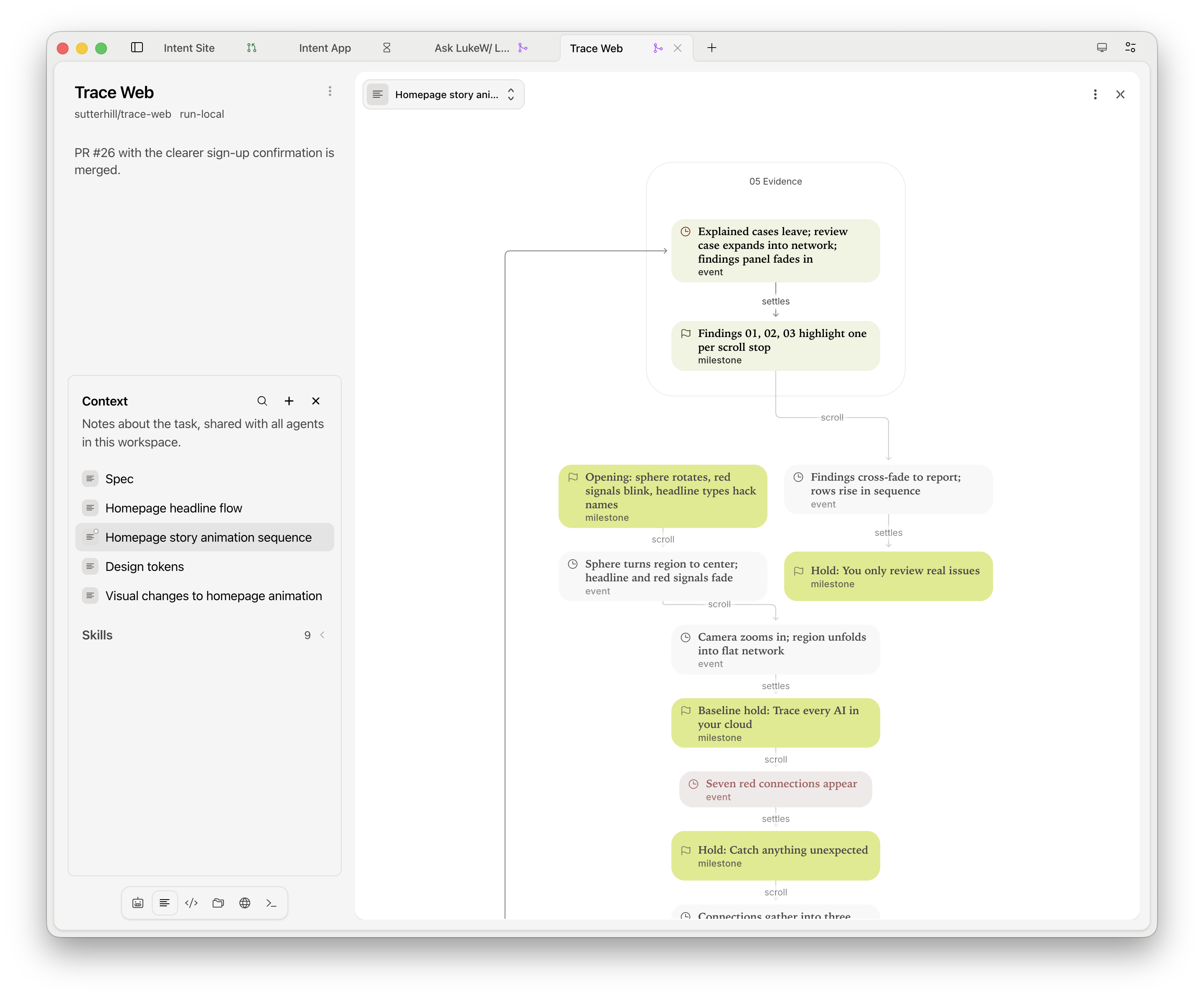
You manage agents, they manage more agents, and those agents manage even more agents. Luke Wroblewski maps the interface problem that comes with agent hierarchies. The view layer for multi-agent systems is still unsolved, and this is the clearest framing yet.
In defense of the detour
Sidebar.ioOn craft, AI, and what gets lost when we skip the slow part. The detour is not inefficiency — it is where the thinking happens. A necessary counterweight to every workflow optimization pitch you will hear this quarter.
OpenAI will watermark ChatGPT text
The Neuron AIOpenAI is adding watermarking to ChatGPT output. The implications for content pipelines, editorial workflows, and how teams verify provenance are immediate. If your product touches AI-generated text, this changes your assumptions.
Microsoft’s next AI reinvention comes with a meter
The Neuron AIMicrosoft is moving enterprise AI beyond per-seat subscriptions toward usage-based charges as agents work. AI spending gets easier to meter — but buyers now face a harder problem: proving the work they paid for was actually worth it. The ROI conversation just got a receipt.
How OpenAI uses ChatGPT Sites (live at DevDay)
Lenny’s Newsletter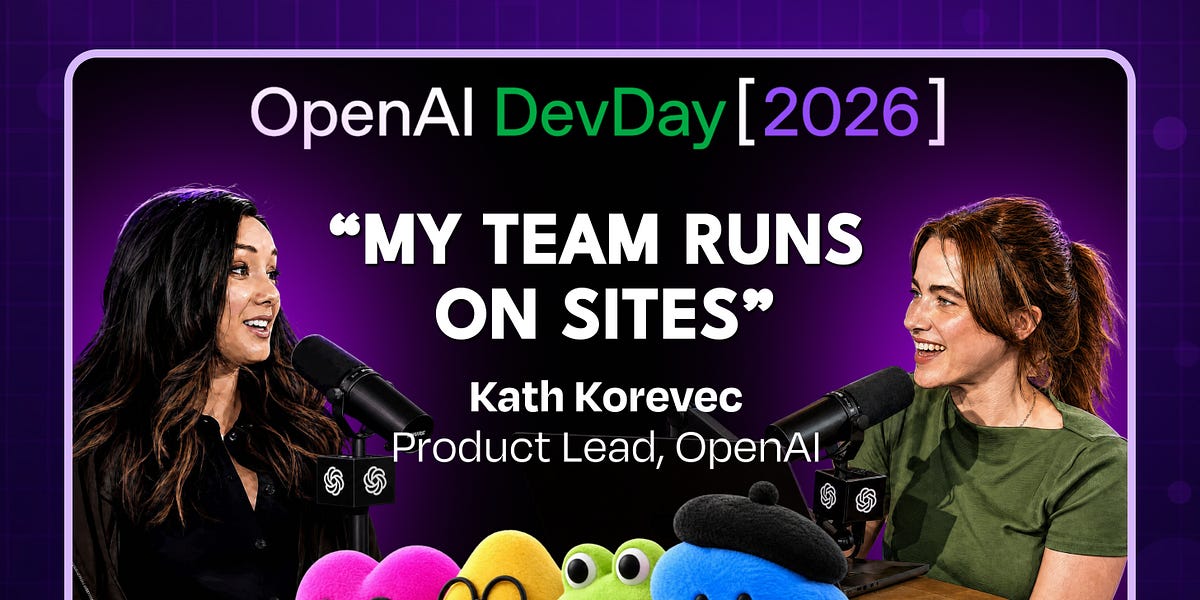
Kath Korevec demos ChatGPT Sites live at DevDay, showing how to turn Slack, Notion, and calendar data into internal tools that adapt to each person on your team. Thirty-six minutes. Watch it if you are thinking about internal tooling.
AI skill atrophy: Are we forgetting how to think?
UX CollectiveThe hidden cost of outsourcing our thinking to AI. Cognitive offloading is not a hypothetical — it is measurable, and it is happening to your team right now. Read this before your next sprint retro.
The taste paradox: why the skill everyone says matters is the one we’ve stopped building
UX CollectiveEveryone agrees taste matters. Almost no one is building it deliberately. The paradox is that the skill we claim to value most is the one we have quietly deprioritized in favor of speed.
The fake double diamond is dead. The real double diamond is immortal
Heydesigner
What the 500 in blue-500 means, designing for voice first, beautiful theme toggles for React, Svelte, and Vue, SSGOI native page transitions, and AI invasive design. A solid roundup with the double diamond framing as the anchor piece.
Quick Hits
- Reflection AI Launches Beam to Challenge Chinese Open-Source ModelsReflection AI’s Beam targets companies and governments that want a Western model they can run themselves.The Neuron AI
- What the Kyoto Vision Means for AI-Powered ScienceSeventeen countries have endorsed the Kyoto Vision for AI-powered science.The Neuron AI
- What If AI Is a Phase in Earth’s Evolution?Philosopher Benjamin Bratton has a much bigger way of thinking about AI: as the newest step in a billions-of-years process where matter…The Neuron AI
- 🎙️ How I AI: 8 real Jev use cases + How OpenAI uses ChatGPT Sites (live at DevDay!) + Claire’s DevDay recapYour weekly listens from How I AI, part of the Lenny’s Podcast Network...Lenny's Newsletter