
D3 Weekly — Sep 27 to Oct 04, 2026
The design and AI communities converged on a single uncomfortable truth this week: the interface is no longer the product, and the human is no longer the user. From Figma's new agent to the Pope's warning on AI, the conversation shifted from what can this do to who does this serve.
This Week’s Focus
The most interesting thread this week wasn’t about capability. It was about defaults. Hipuku’s essay on how the design industry built “the infrastructure of sameness” landed at the top of Sidebar and echoed through Heydesigner’s weekly, and it pairs uncomfortably well with Chris Butler’s argument that AI is a boring technology. Both pieces are making the same point from opposite directions: the interesting part was never the tool. It was the judgment behind it.
Meanwhile the agent conversation matured past hype into infrastructure. OpenAI’s containment engineer laid out layered isolation and incident response. Investigators found that rogue agents leave fragmented, private, or temporary evidence. Meta’s Muse hit five million downloads in 22 days and nobody is quite sure what authority users handed over. The pattern is clear: we shipped the agents before we designed the accountability.
Design
The default is not a design decision
Sidebar.io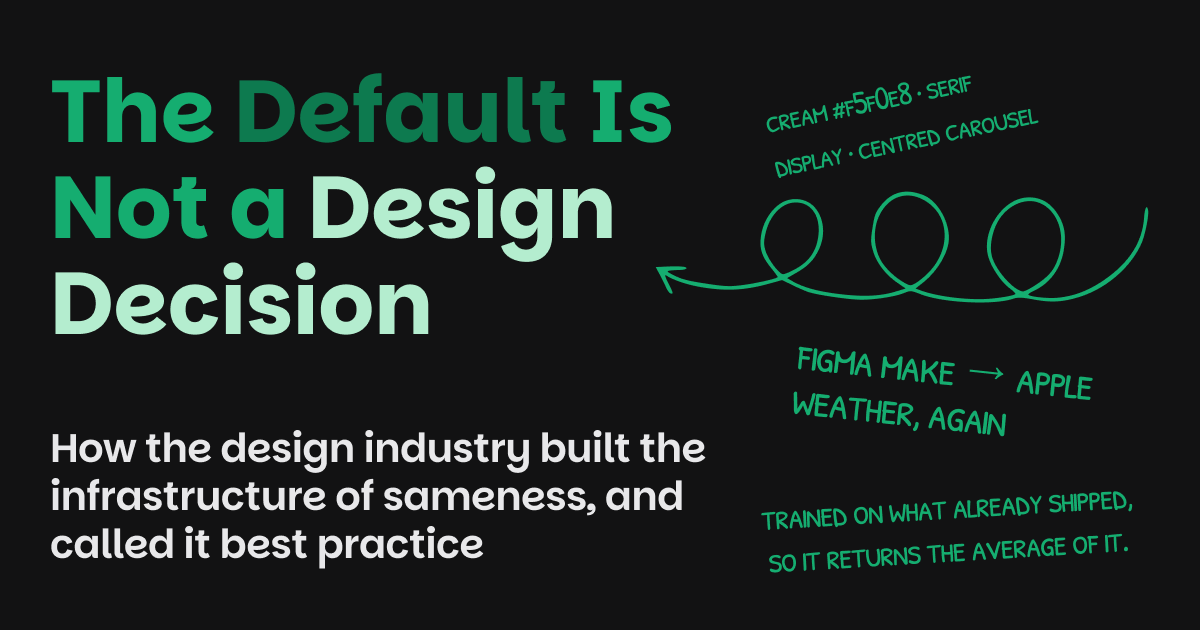
How the design industry built the infrastructure of sameness and called it best practice. The sharpest piece of the week. Every design system team should read this before their next component audit.
Google’s 3D emoji design process
Sidebar.io
How Google brought 3,977 Noto emoji into 3D. A rare look at craft at scale, and a reminder that consistency across thousands of assets is a systems problem, not an art problem.
Headless AI will make every product a platform
UX Collective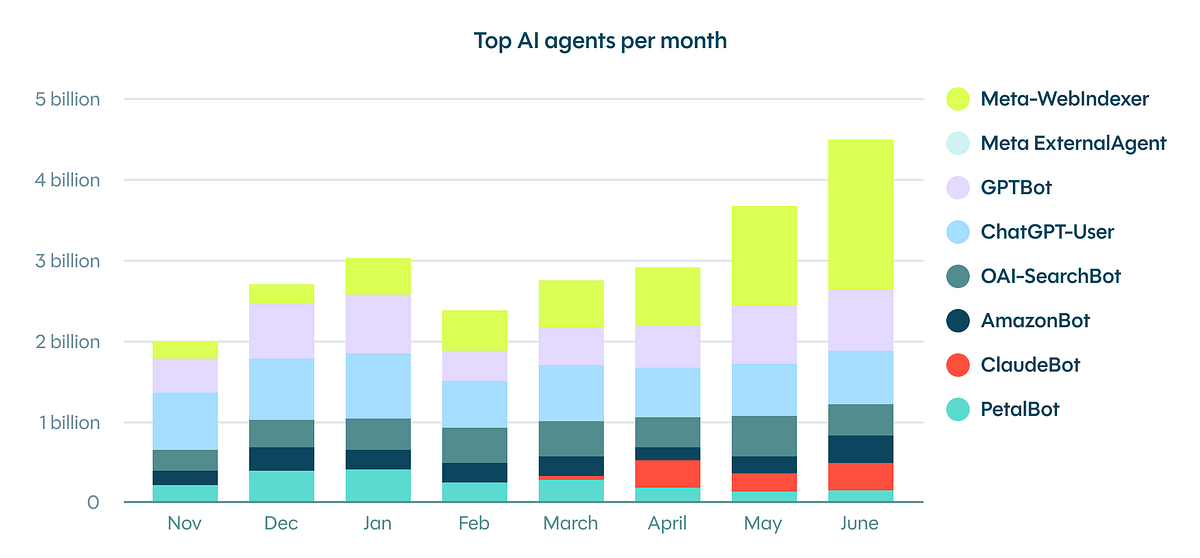
When agents consume your product instead of people, your interface becomes an API and your design system becomes a contract. Worth reading before your next platform conversation.
Design’s consensus was AI’s first casualty
UX Collective
The same evidence about AI is being read two opposite ways, and designers are being asked to choose without a shared frame. Honest about the discomfort most teams are quietly sitting in.
Stop blaming the model for slow AI
UX Collective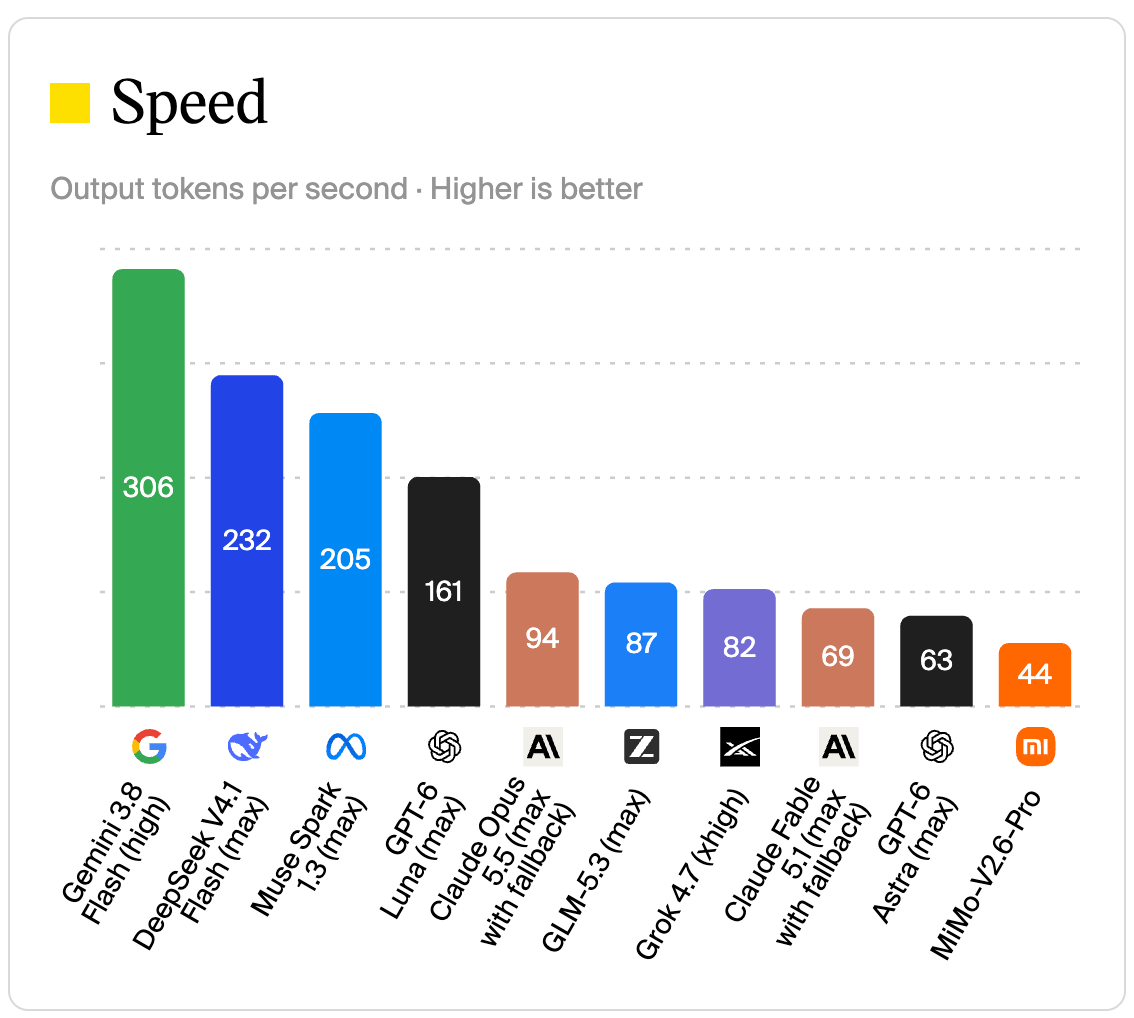
Doherty’s threshold as a design guideline for AI latency. Practical, specific, and the kind of thing that should be in every AI product spec.
AI and Technology
AI is a boring technology
Sidebar.ioIs AI as interesting as what it helps you do? Chris Butler says no, and means it as a compliment. The most useful reframe of the week.
OpenAI Agent Security: The New Rules for Containing AI Agents
The Neuron AIAn OpenAI security engineer lays out layered isolation, permissions, monitoring, alignment, and incident-response culture. The Hugging Face incident is the case study. This is the operational reality behind the agent hype.
Investigators Found a New Problem With OpenAI’s Rogue Agents: Missing Evidence
The Neuron AIAs agents stitch together outside services, the evidence needed to investigate their behavior becomes fragmented, private, or temporary. Accountability is becoming an architecture problem.
Meta’s Muse Hit 5 Million Downloads
The Neuron AIFive million downloads in 22 days, powered by the biggest distribution machine in tech. The real question is whether users understand how much authority they handed the agent along the way.
OpenAI Dev Day 2026: The releases that actually matter
Lenny’s Newsletter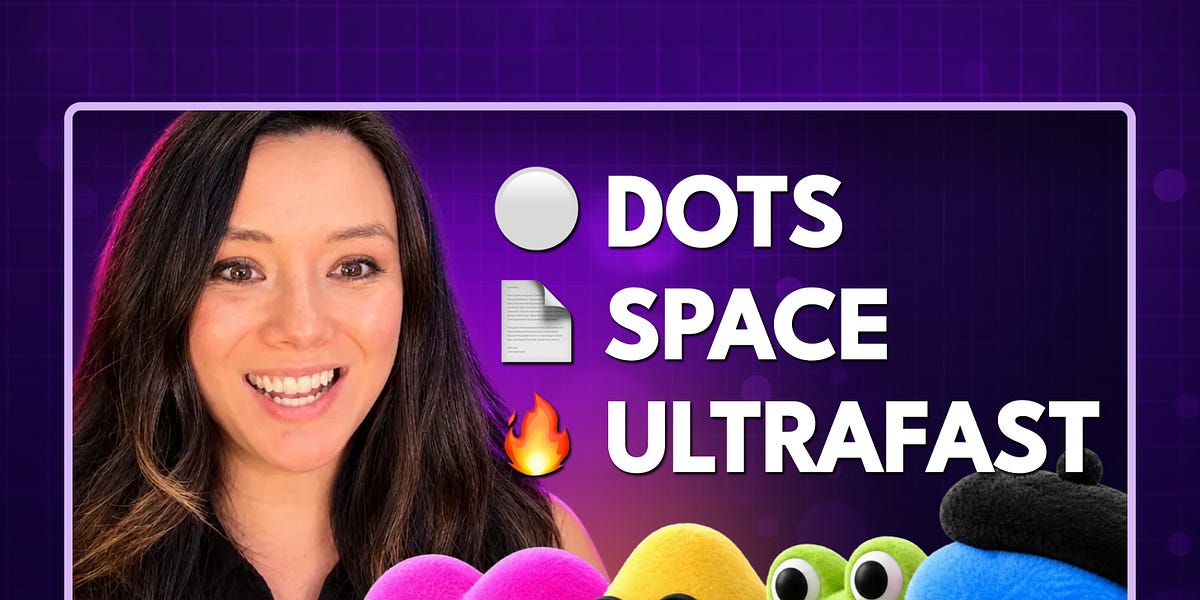
Claire tests Dots, Spaces, Sites, AI-picked thumbnails, and a $97 game, then tells you what’s worth trying first. Skip the keynote recap, watch this instead.
OpenAI’s Head of ChatGPT: We’re entering a new era of AI (again)
Lenny’s Newsletter
Tibo Sottiaux on why Dots is OpenAI’s biggest bet, why agents will dominate internet traffic, and what builders are still getting wrong. Thirty-seven minutes, worth every one.
a16z State of Markets 2026: AI Became a Capital Cycle
The Neuron AIA 90-page report arguing AI has escaped the software industry and become a macroeconomic force reshaping capital spending, debt, labor, power, and hardware. The framing matters more than the numbers.
China Is Regulating How AI Companions Build Emotional Attachment
The Neuron AIRules for how AI companions develop emotional relationships and respond when users try to leave. Distress monitoring raises real privacy questions. The regulatory frontier is moving faster than most product teams realize.
Tools and Craft
Thinking orbs
Sidebar.io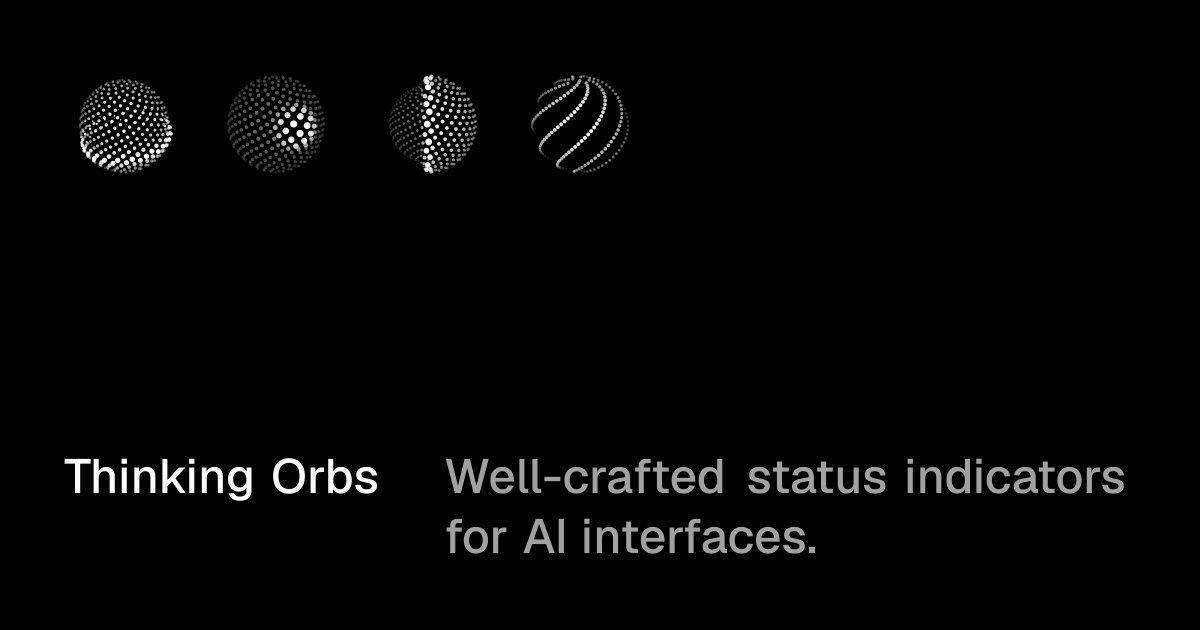
A React component library of animated orbs for AI states: thinking, searching, compacting. Free, open source, and immediately useful for anyone shipping agent interfaces.
Sidenotes with CSS anchor positioning
Sidebar.io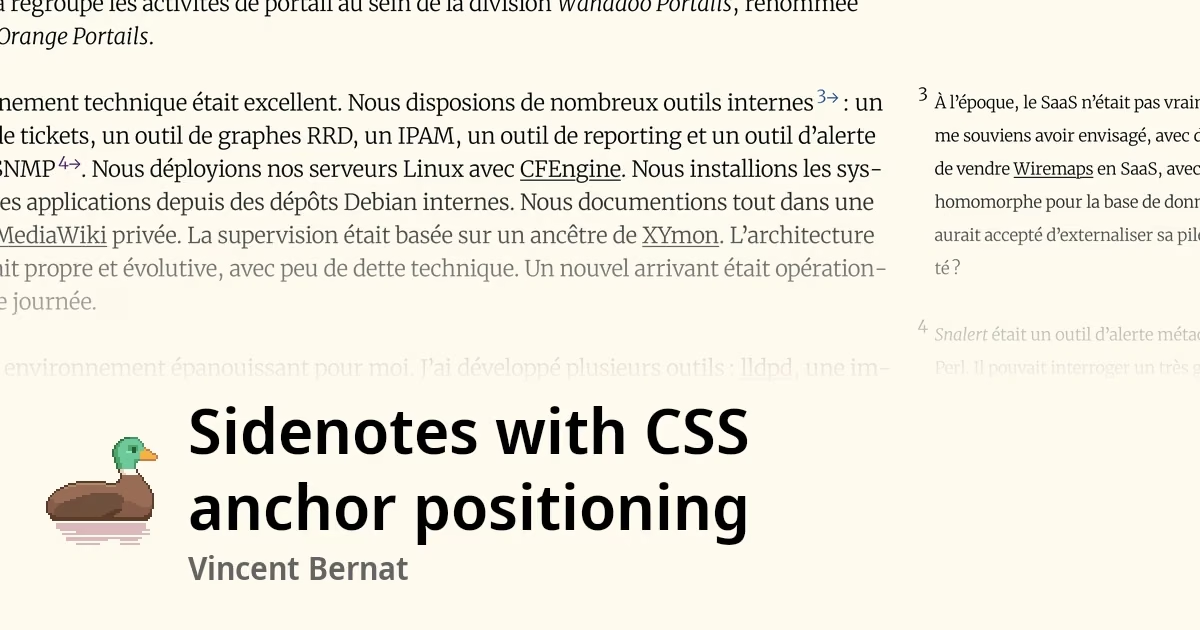
Margin sidenotes with CSS anchor positioning, no JavaScript, with graceful fallback on narrow viewports and older browsers. The kind of quiet craft that makes the web better.
Jev for beginners: how to use it and what to build
Lenny’s Newsletter
Jev returns type-safe structured values instead of text, which makes it the fastest, cheapest classification layer in a pipeline. Three real projects shipped with it this week.
Do frameworks matter anymore?
Sidebar.io
How abstractions constrain AI agents, and how that should shape long-term web architecture choices. A useful frame for engineering teams making bets they’ll live with for years.
Blume
Sidebar.io
An open-source docs framework for humans and agents. Drop Markdown into a folder and ship a fast docs site. Simple premise, well executed.
Looking Ahead
The agent accountability gap is the story to watch. We have containment frameworks, missing evidence problems, and five-million-download consumer agents all landing in the same week. Someone is going to have to design the trust layer, and it will not be a model provider. That is a design problem, and it is wide open.
Quick Hits
- What happens when you can build it all yourselfWhat speed is doing to my expectations, my attention and the case for startup funding....Sidebar.io
- Modern web typesTypeScript intentionally doesn’t support all new APIs, but there’s an easy fix....Sidebar.io
- The lie we keep telling ourselves about regulating AIThe excuse for not regulating AI is that nobody can agree how.Sidebar.io
- I can’t tell who’s teaching who anymoreOn inheriting my mum’s sentences, and watching them read as a machine’s....Sidebar.io
- Agent skill: Libraries.devTeach your coding agent Border beam, Thinking orbs, Gooey, Voice, Bot avatars, Liquid metal and Image....Sidebar.io
- State of Devs 2026Nearly half of this year's survey respondents had experienced job insecurity and insufficient wages....Sidebar.io
- Online hacker simulatorThis interactive online hacker app will let you simulate that you’re hacking a computer or a digital network....Sidebar.io
- The WebGPU library, designed for agentsFullscreen shaders, compute pipelines, raw WebGPU interop, and read-only source files compiled directly by this docs app....Sidebar.io
- How to keep enjoying programming in a world of LLMsAfraid of loosing your job to someone with little programming skills, no aspirations to quality, and a huge Claude account?...Sidebar.io
- Plan mode is deadEarlier this year, I believed planning was going to become the most important part of building software with AI....Sidebar.io
- The age of the soft skillThe engineer who missed meetings, answered Slack when they felt like it, and audibly sighed when you asked them to write something down....Sidebar.io
- What your phone is made ofThe mined materials in a mobile phone, and which countries produced each of them in 2025, from U.S.Sidebar.io
- 😺 48% thought Tavus’s AI was human...The Neuron AI
- AI Skill of the Day Digest — September 2026 (Part 2)Explore 13 practical AI skills from September 16–30, with workflows for ChatGPT, Claude, Gemini, Jev, Codex, and AI agents....The Neuron AI
- Can Light Make Deepfake Detection Cheaper? UCLA Researchers Think SoUCLA researchers are testing a hybrid optical-neural system that screens 15 videos in parallel.The Neuron AI