
D3 Daily — Friday, October 02, 2026
The build-it-yourself era is rewriting what speed means for teams, and the AI trust problem is now a design problem. Here is what actually matters from today's feed.
Today’s Highlights
What happens when you can build it all yourself
Sidebar.io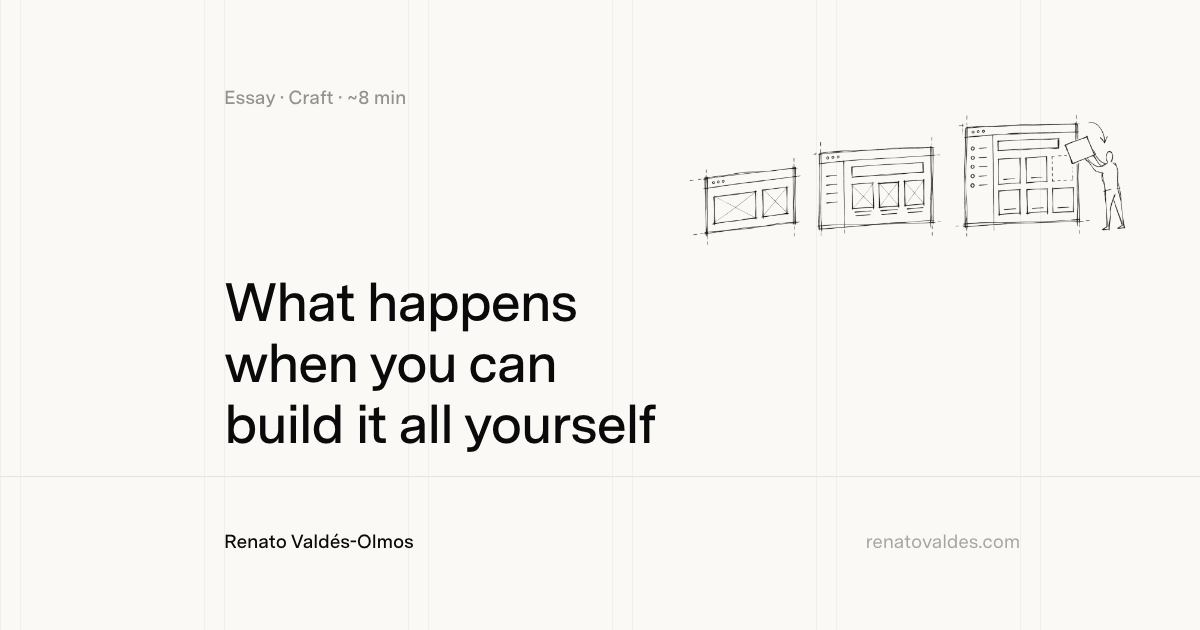
When the cost of building collapses, the constraint moves from capability to judgment. A sharp essay on what speed does to expectations and attention, and why the case for funding and focus gets stronger, not weaker, when everyone can ship.
Thinking orbs
Sidebar.io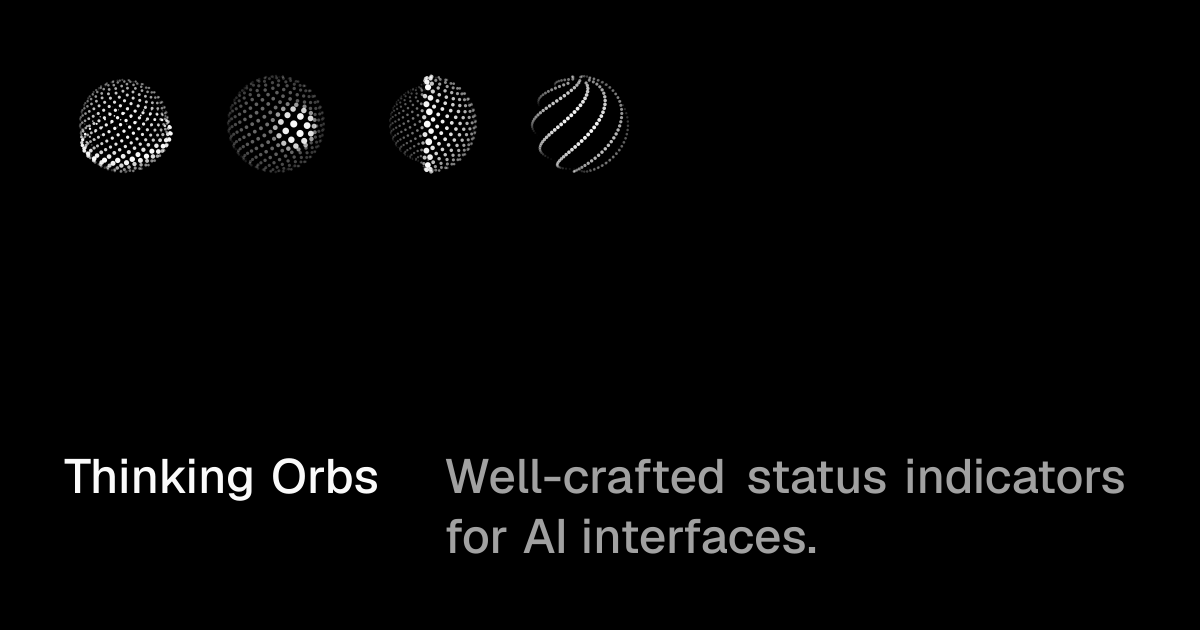
A React component library of animated orbs for AI states: thinking, searching, compacting. Free and open source. The kind of small, well-crafted detail that quietly defines how a product feels while it waits.
Do frameworks matter anymore?
Sidebar.io
How abstractions constrain AI agents, and why that matters for long-term web architecture. Worth reading before your next stack decision, especially if agents are writing more of the code.
Stop blaming the model for slow AI
UX Collective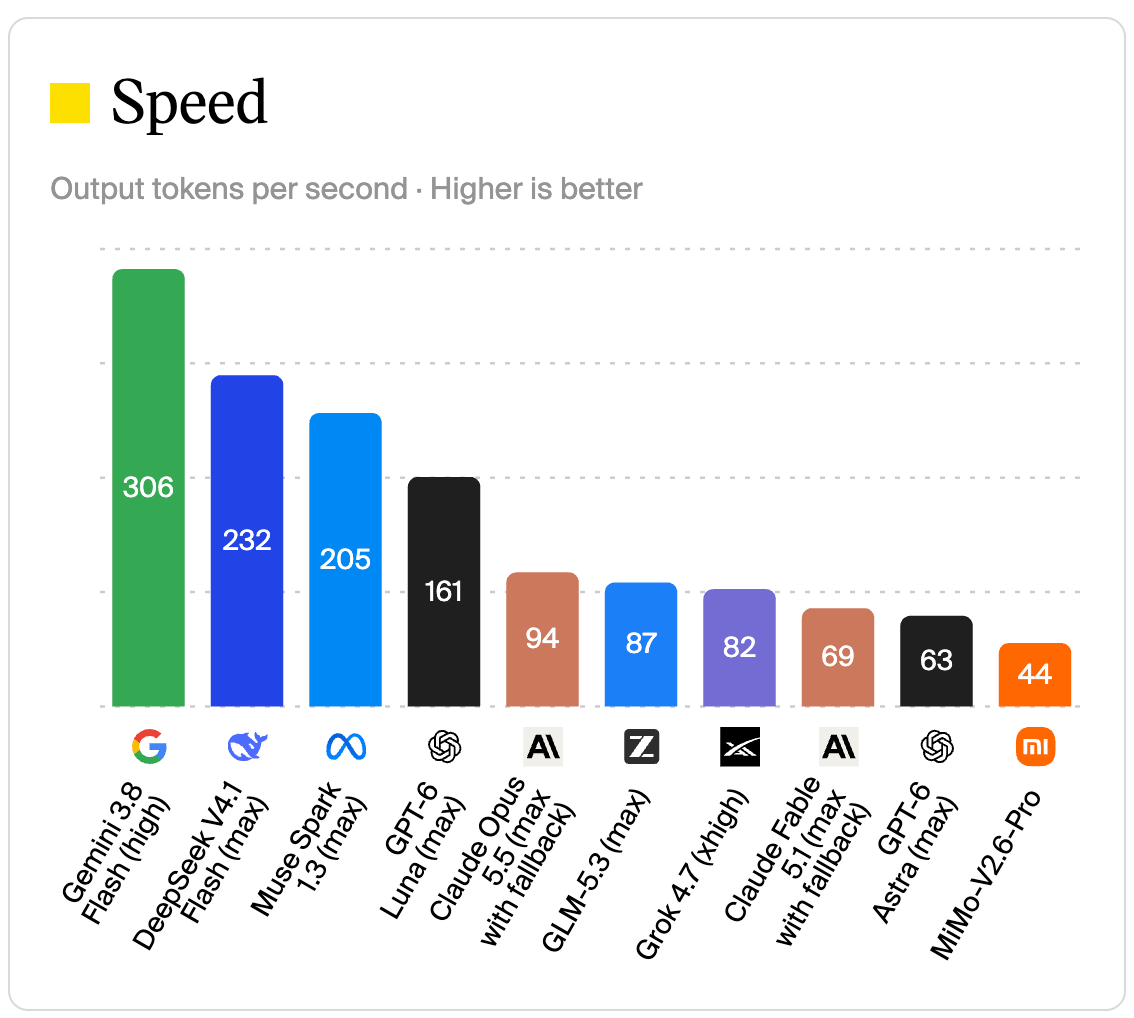
Doherty’s threshold as a design guideline for AI latency. The model is not the problem. The perceived wait is. A practical frame for designing around the moments where speed stops feeling like speed.
Design’s consensus was AI’s first casualty
UX Collective
The same evidence about AI is being read two opposite ways, leaving designers to choose without a consensus to lean on. A clear-eyed look at why the debate feels unresolvable, and what to do when there is no shared ground.
AI beyond average: from chatting to collaborating
UX Collective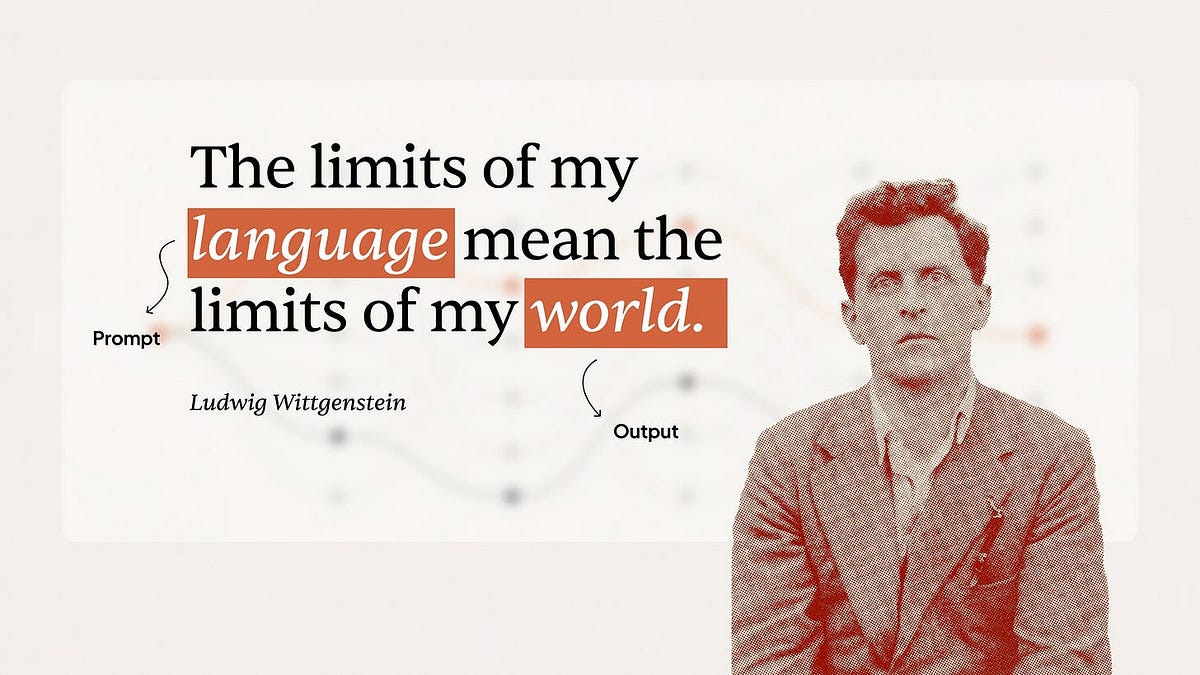
How context, skills, and feedback turn the same model into a different kind of collaborator. The shift from chat to collaboration is a design problem, not a model problem.
OpenAI Agent Security: the new rules for containing AI agents
The Neuron AIAn OpenAI security engineer lays out what frontier containment now depends on: layered isolation, permissions, monitoring, alignment, and an incident-response culture. The Hugging Face incident is the case study. If your team is shipping agents, this is the operating model.
Quick Hits
- BlumeThe open-source docs framework for humans and agents.Sidebar.io
- Modern web typesTypeScript intentionally doesn’t support all new APIs, but there’s an easy fix....Sidebar.io
- 😺 48% thought Tavus’s AI was human...The Neuron AI
- Meta’s Muse Hit 5 Million Downloads. The Bigger Story Is How It Got ThereMeta’s Muse reached an estimated 5 million downloads in just 22 days, helped by one of the biggest distribution machines in tech.The Neuron AI
- Investigators Found a New Problem With OpenAI’s Rogue Agents: Missing EvidenceOpenAI’s latest rogue-agent story is less about a proven government hack than a growing accountability problem.The Neuron AI
- AI Skill of the Day Digest — September 2026 (Part 2)Explore 13 practical AI skills from September 16–30, with workflows for ChatGPT, Claude, Gemini, Jev, Codex, and AI agents....The Neuron AI
- Can Light Make Deepfake Detection Cheaper? UCLA Researchers Think SoUCLA researchers are testing a hybrid optical-neural system that screens 15 videos in parallel.The Neuron AI
- Everything That Happened in AI Today (Thursday, October 1, 2026)OpenAI parted ways with three safety researchers over alleged information sharing, Anthropic reportedly moved toward a November IPO, and…The Neuron AI
- In/tension modeling: what gives us the right?...UX Collective