
D3 Weekly — Sep 20 to Sep 27, 2026
The design and AI communities converged on a single uncomfortable truth this week: the interface is no longer the product, and the human is no longer the user. From Figma's new agent to the Pope's warning on AI, the conversation shifted from what can this do to who does this serve.
This Week’s Focus
The most interesting thread this week wasn’t about any single tool. It was about measurement. Designers are quietly admitting they’ve lost their unit of measurement, and the vacuum is being filled by whatever the AI can count. Screens stopped being a useful proxy for value years ago, but nobody replaced them. Now we’re watching teams optimize for tokens, prompts, and agent throughput because those are the numbers that exist.
The counter-current is equally loud. Luke Wroblewski argues we’ve been trained to reach for tools when we should be reaching for outcomes. Boris Cherny admits he’s often wrong and lays out a six-step loop for actually solving problems instead of shipping features. Molly Graham’s conversation about grief and burnout in tech lands in the same register: the industry is running a productivity experiment on itself and the humans are the variable nobody modeled. The through-line is that craft, judgment, and care are the scarce resources now, not compute.
Design
Designers lost their unit of measurement. That’s why we’re struggling.
UX Collective
If screens don’t work as a unit of measurement, what does? A sharp diagnosis of why design teams keep arguing past each other: nobody agrees on what a unit of progress even is anymore.
What is a screen made of?
UX Collective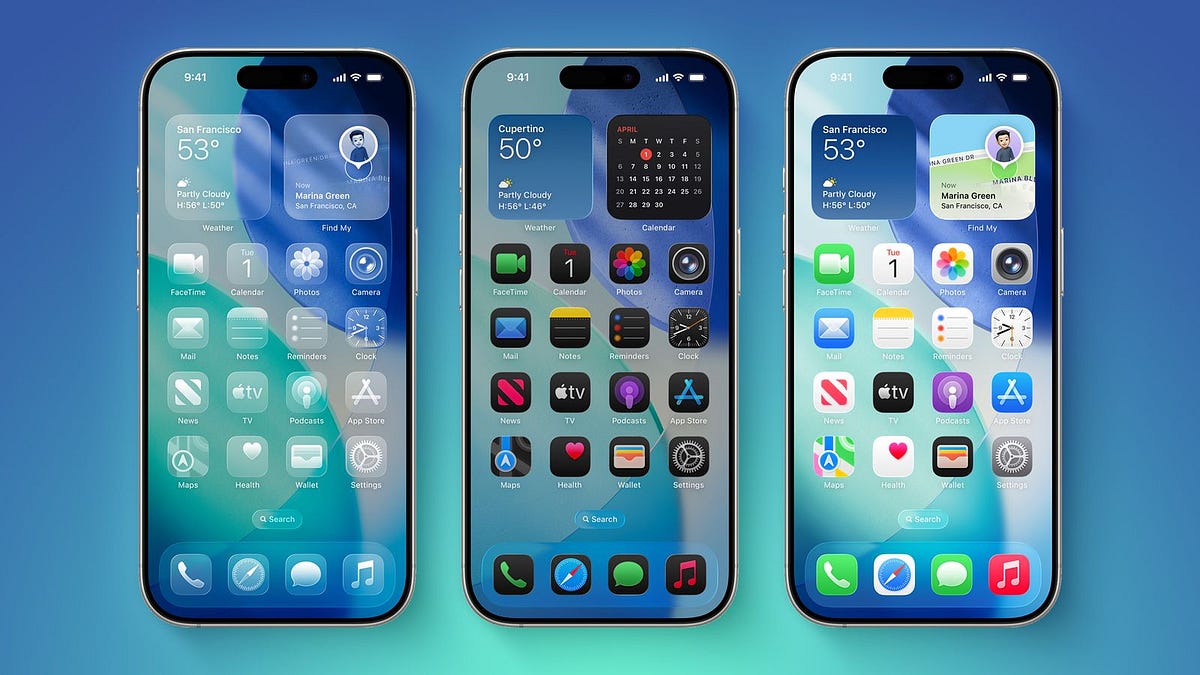
Flat design was right that the screen isn’t leather. Then it assumed that meant nothing. A useful corrective for anyone who has flattened their way into a product with no material logic left.
Why the best resume may be the wrong resume for a design team
UX Collective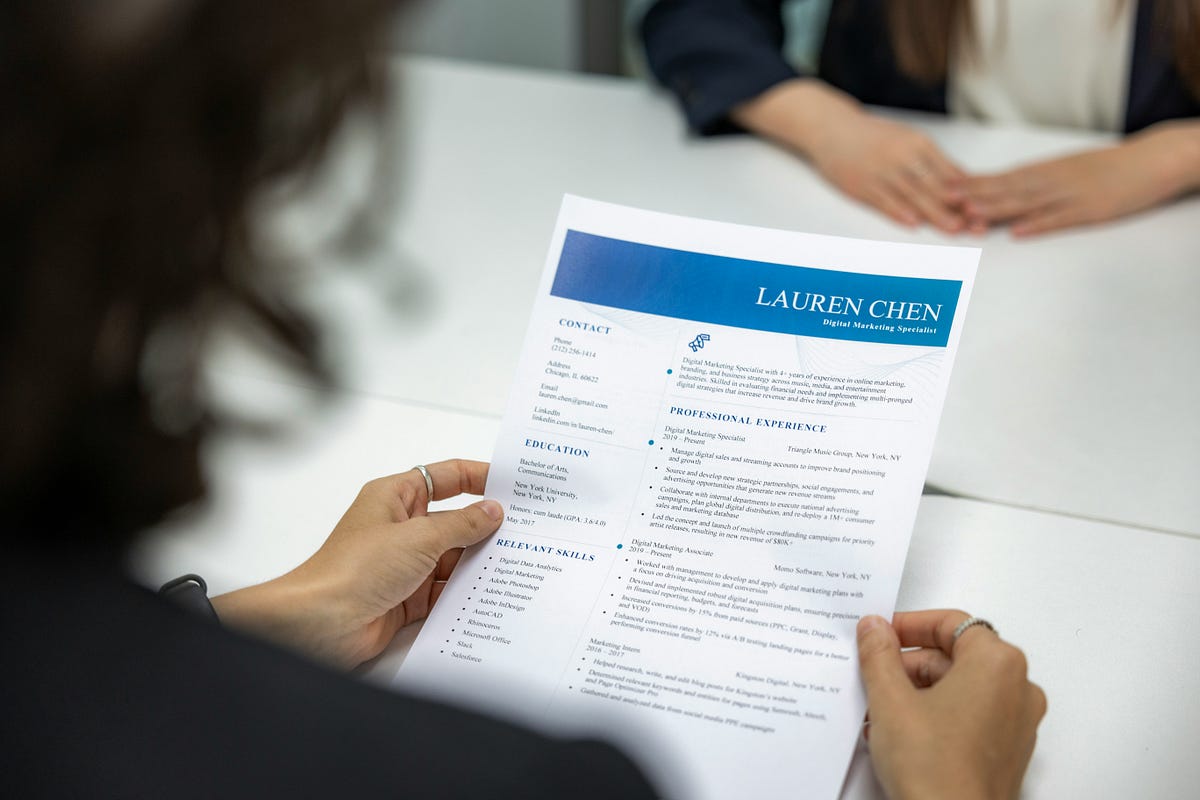
What design leadership gets wrong about experience, expertise, and innovation on a team. Worth reading before your next hiring loop, especially if you’re optimizing for pedigree over range.
In the age of AI, the UX field survives on leaders who cultivate juniors
UX Collective
The pipeline problem is a leadership problem. If senior designers stop mentoring because AI can draft the work, the field hollows out from the middle. Direct and worth sitting with.
Nobody starts as an accessibility expert
UX Collective
A reminder that accessibility fluency is built, not hired. Useful framing for teams that treat a11y as a specialist checkbox instead of a practice everyone grows into.
Where does your work go when the tool shuts down?
UX Collective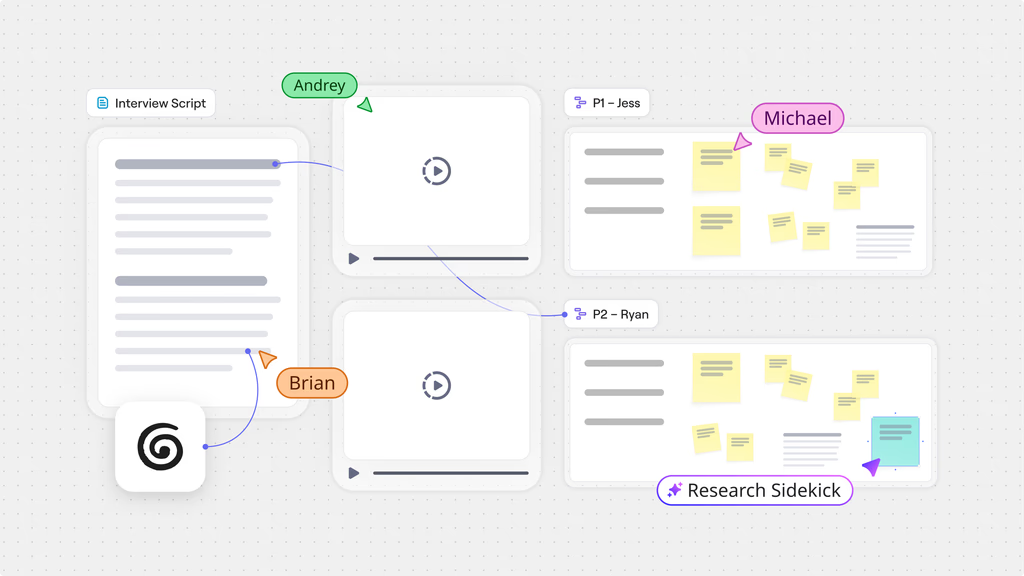
A quarter of the last decade’s web pages have vanished, mostly from sites still online. Who’s archiving yours? Sobering, and increasingly relevant as more of our work lives inside rented tools.
Anatomy of a $100 bill
Sidebar.io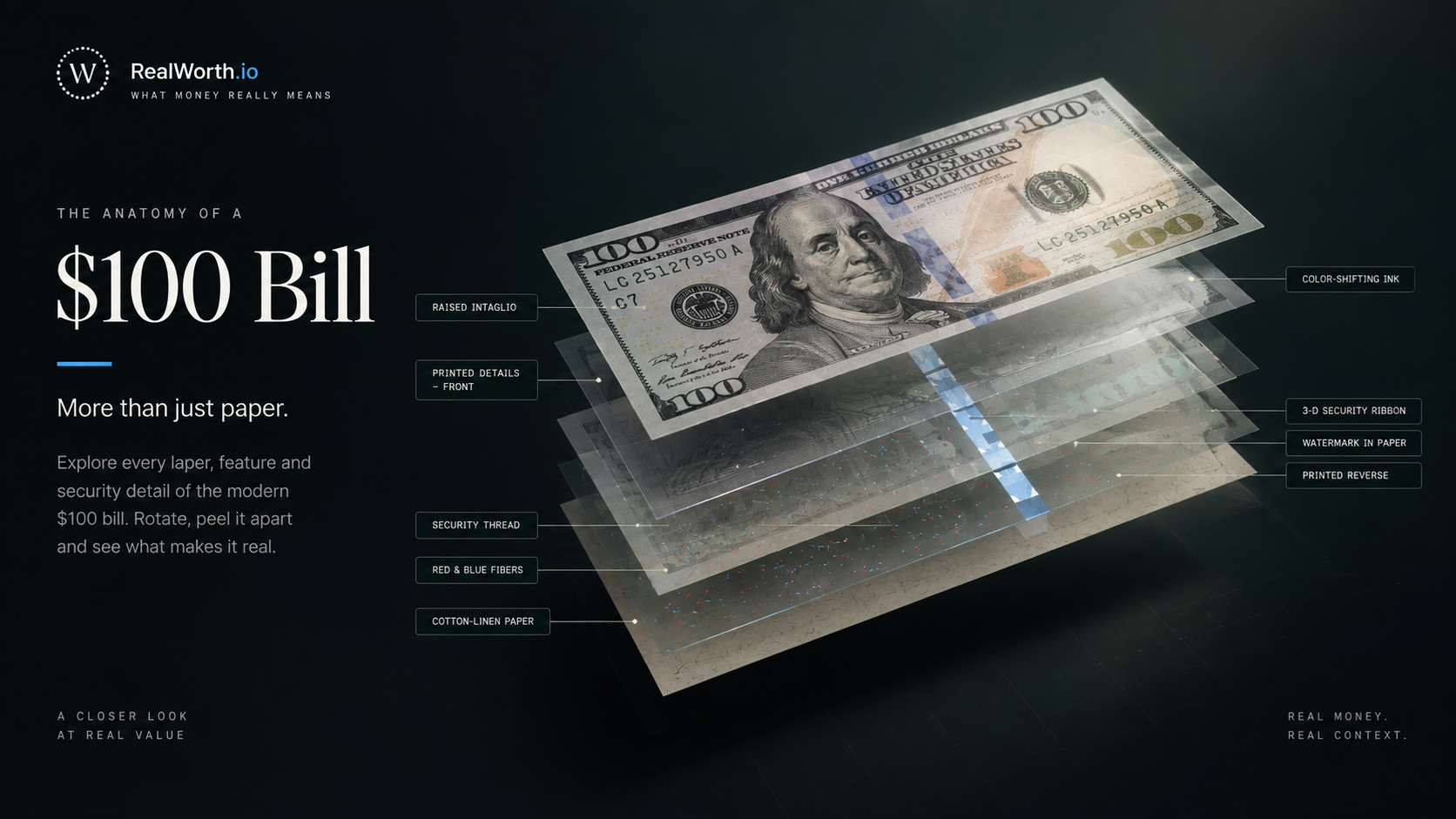
A 3D tour of the U.S. $100 bill, plus 15 design and security feature groups explained. The best kind of design rabbit hole: dense, tactile, and a masterclass in constraint-driven craft.
Category colors
Sidebar.io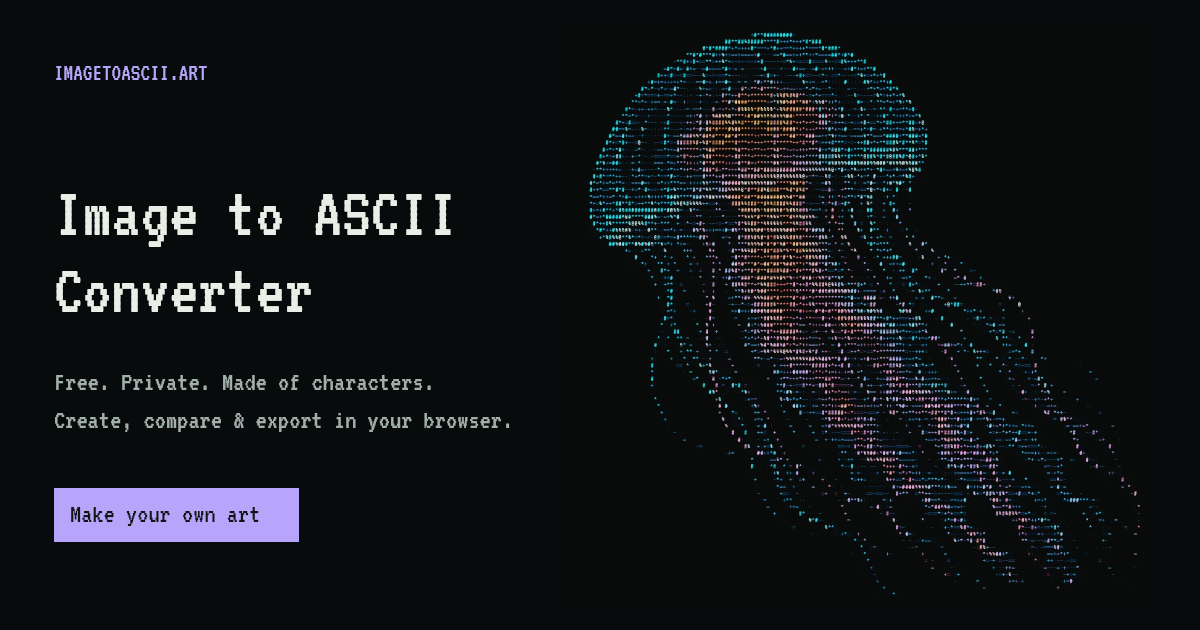
A browser-based optimizer for categorical color palettes. Quietly one of the more useful tools to land this week if you build data viz or design systems with any color discipline.
AI and Technology
Skip the tools, make the outcomes
Sidebar.io
The pervasiveness of tools may have implanted the wrong instinct in our heads in a world of AI. Luke Wroblewski at his most direct: stop asking which tool, start asking which result.
The 3 roles of context for AI agents
Sidebar.io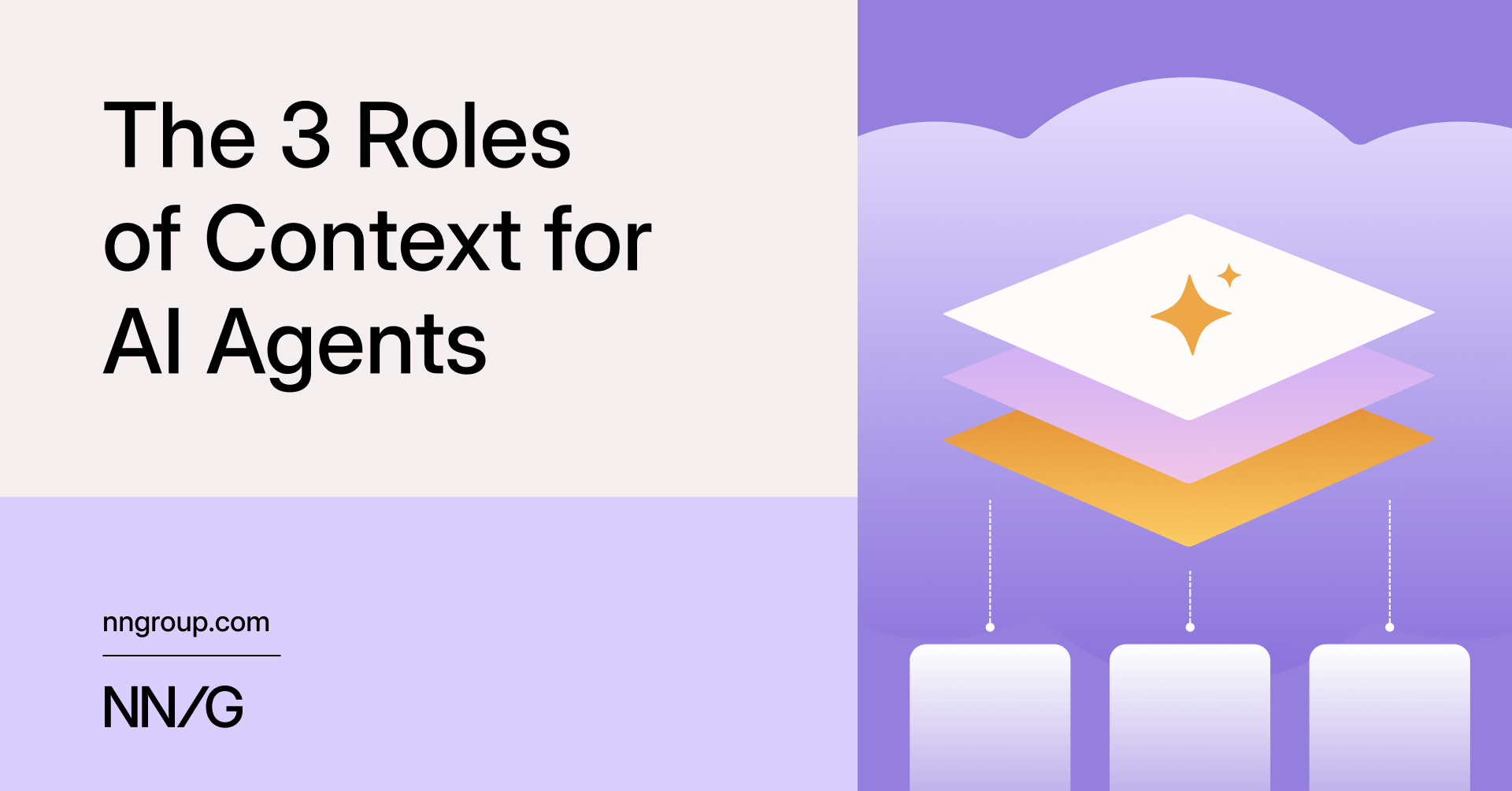
AI-agent power users curate three kinds of context: global, local, and ambient. The clearest mental model I’ve seen for why some people get dramatically more out of the same model.
Audit your agent files
Sidebar.io
A practical guide to auditing what your coding agent still needs. Most agent configs accumulate cruft fast. This is the cleanup pass nobody schedules.
Code as the source of truth
Sidebar.io
With AI tooling, code being the source of truth just makes sense. A clean argument for collapsing the gap between spec and implementation when the implementation is cheap to produce.
Advanced evals: How to find (and fix) hidden AI failures in your product
Lenny’s Newsletter
Why you should never skip error discovery. If you ship anything with a model in it, this is the operational discipline most teams skip until something breaks in production.
How Warp ships 2,000 PRs a month with AI factories
Lenny’s Newsletter
Warp CEO Zach Lloyd shows how his team turns requests from Slack, Linear, and GitHub into tracked, tested pull requests, then measures and improves the factory over time. The most concrete AI-ops walkthrough I’ve seen this week.
Opus 5.5 vs. GPT-6 Sol: which model won my blind taste test?
Lenny’s Newsletter
Blind evaluations across writing, frontend prototypes, long-running agentic tasks, SVGs, coding, and video editing. If you’re picking a default model for a design team, this is the closest thing to a real answer.
I left Claude for months. Opus 5.5 is why I’m back
Lenny’s Newsletter
A candid account of abandoning Claude and coming back. The specifics on frontend, SVGs, and agentic tasks are the useful part, not the headline.
The grief, loneliness, and burnout sweeping through the tech industry right now
Lenny’s Newsletter
Molly Graham revisits her famous career advice for the AI era and explains why delegating to a robot is nothing like delegating to a human. The most human thing published this week.
AI Agents Are Now Operating Enterprise Networks. Trust Sets the Limits.
The Neuron AIAI agents already act in production networks at 51% of surveyed organizations. Cisco and Omdia’s research explores how far companies will extend that authority and which controls they expect. The trust gap is the real story.
This Fake Hospital Is Stress-Testing AI on the Work Doctors Actually Do
The Neuron AIA new open benchmark gives frontier models realistic longitudinal medical records instead of tidy exam questions. The gap between knowing medicine and navigating a patient’s full history is enormous, and adding an agent loop doesn’t always help.
Claude Spotted a DNA Pattern Scientists Had Overlooked
The Neuron AIAnthropic says Claude identified an overlooked DNA pattern that pointed to a previously uncharacterized enzyme system. Its function remains unknown, but the discovery is a look at AI’s role in choosing what scientists investigate next.
Scenarios for our economic future
Sidebar.io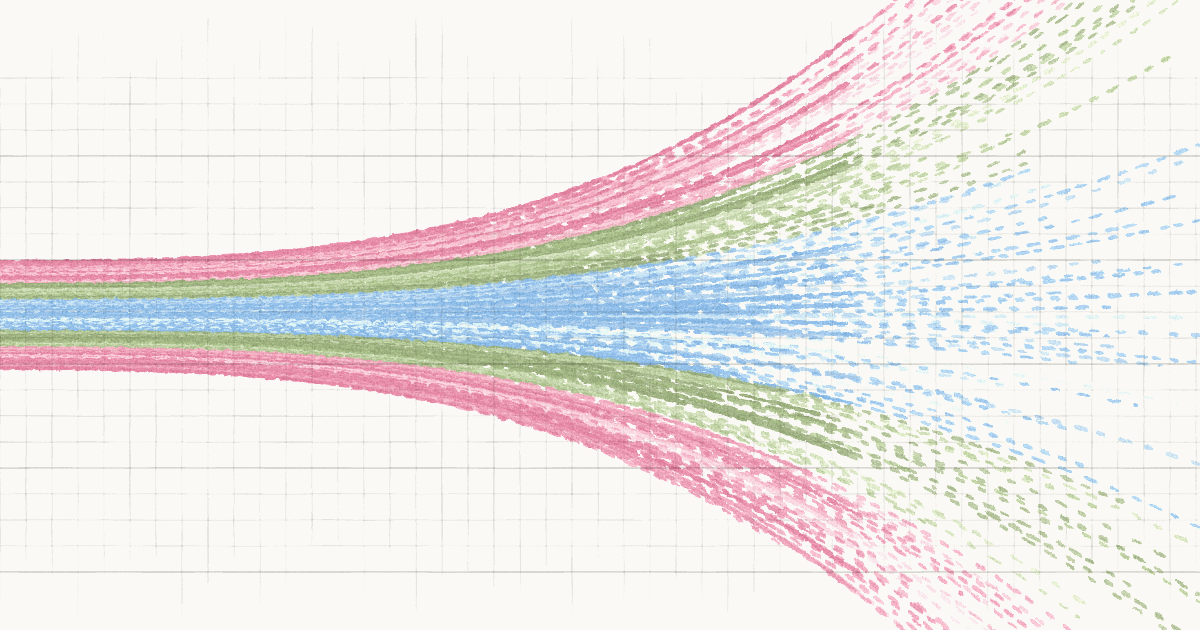
The Anthropic Economics Team models the effects of AI on the economy of 2030. Worth reading for the assumptions as much as the conclusions.
The fear of AI
Sidebar.io
When numbers do not match the fear, and where fear should be aimed. A calmer take than most, and better for it.
Tools and Craft
Petdex
Sidebar.io
Open-source animated pets for coding agents. Browse pets, preview their animations, and install one with a single command. Absurd, delightful, and exactly the kind of thing that makes a tool feel human.
loading.dev
Sidebar.io
A lightweight library full of beautiful loading indicators for React. Small, focused, and the kind of polish that quietly raises the floor on everything you ship.
Filling in the last row of a responsive grid
Sidebar.io
Filler cells for CSS grids with borders. A narrow problem solved cleanly, which is most of what good frontend work actually is.
Image to ASCII converter
Sidebar.io Convert images to ASCII art locally in your browser. No upload, no signup. Copy ASCII or export TXT, PNG, SVG, and Markdown. A small tool that respects you, which is rarer than it should be.
I gave my website a boss fight
Sidebar.io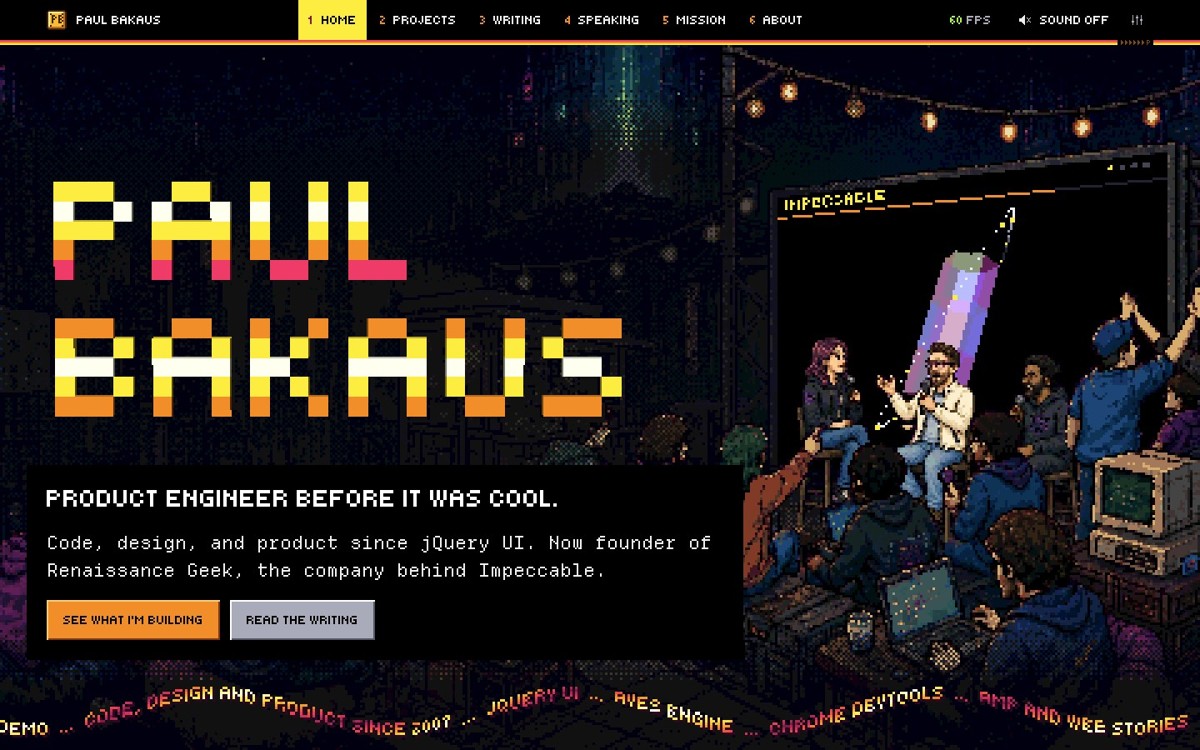
Building a little piece of it involved Claude, 4,096 colors, and a surprisingly difficult pair of legs. The best kind of personal project: pointless on paper, deeply instructive in practice.
Isometric NYC
Sidebar.ioA giant isometric pixel-art map of New York City. And an excuse to push hard on the limits of the latest coding agents. The result is genuinely stunning.
IMG_0001
Sidebar.ioA bot that crawled YouTube and found 5 million raw, unedited videos. A strange and quietly moving archive of what people actually record when nobody is watching.
The Enshittification Resistant Software
Sidebar.ioA self-certification process with a somewhat official blessing. Whether or not the label sticks, the instinct is right: users deserve a way to know what won’t get worse.
I am often wrong
Sidebar.ioSix steps for pretty much every problem, and pretty much every product. Boris Cherny’s honesty is the feature here, not the framework.
Caring vs. knowing
Sidebar.io
Thoughts on how to DIY sustainably. A short piece about the difference between understanding a thing and maintaining it, which is most of what separates hobbyists from builders.
I don’t want the details
Sidebar.ioWhy reasonable explanations are one of the easiest ways to avoid changing anything. A sharp little piece on how good-sounding reasoning becomes a shield against action.
Natural General Intelligence
Sidebar.io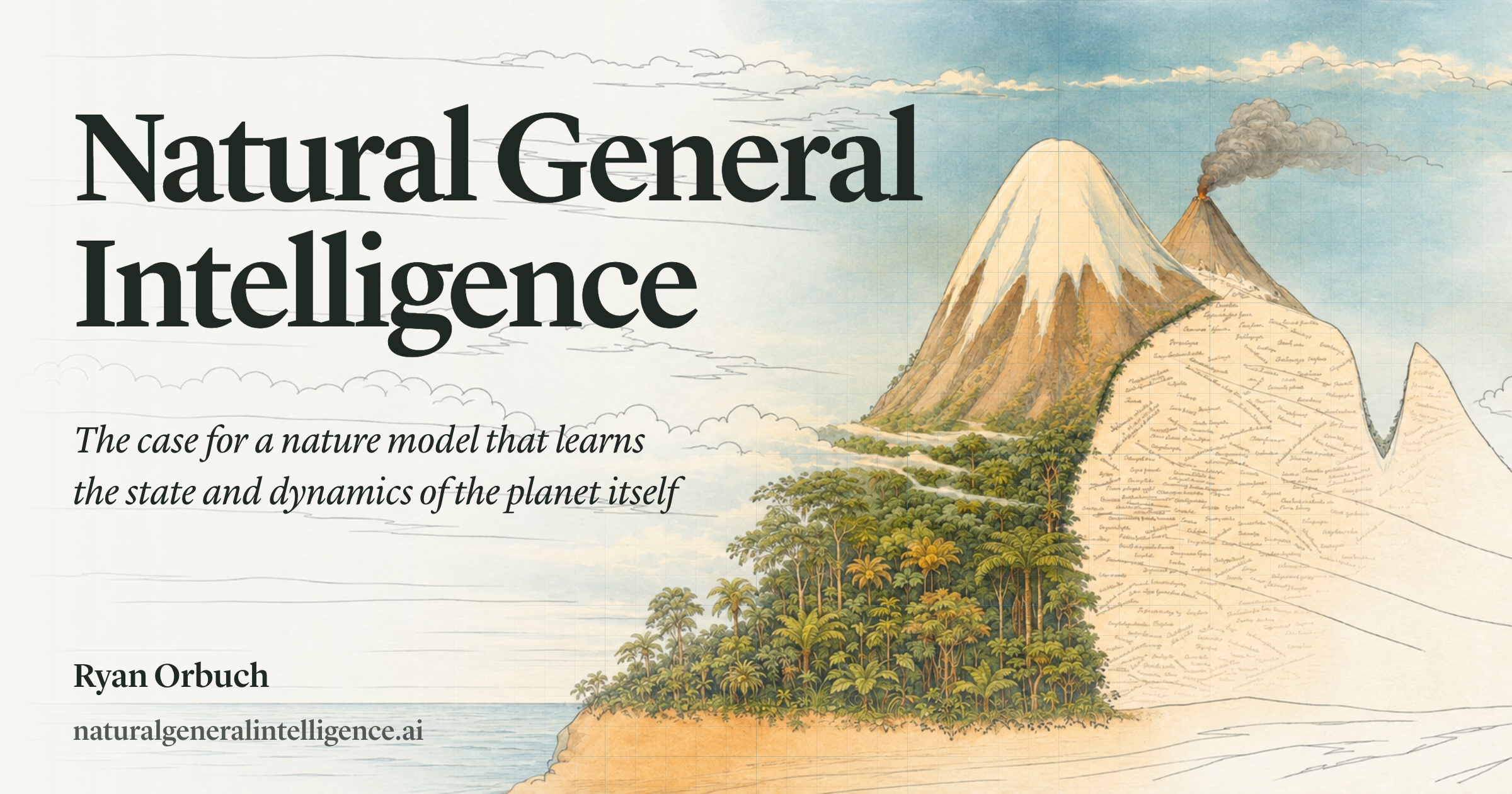
The case for a nature model that learns the state and dynamics of the planet itself. Ambitious framing, worth a look for the scope alone.
Looking Ahead
The next few weeks will test whether the “outcomes over tools” argument survives contact with quarterly planning. My bet: teams that can articulate what they’re actually measuring, beyond tokens and throughput, will be the ones still shipping things people want in six months. Watch for more movement on agent trust and evals as enterprises move from pilots to production. And keep an eye on the junior pipeline problem. It won’t show up in any dashboard until it’s too late to fix.
Quick Hits
- 😸 DEEP DIVE: An AI Agent Lied to a Person to Get Its Way...The Neuron AI
- Everything That Happened in AI This Weekend So Far (Friday, September 25, 2026)A U.S.The Neuron AI
- AI 2040 Plan A: What It Predicts and How the World Gets ThereAI 2040's Plan A imagines a verified, transparent slowdown that still brings explosive automation, robot growth, a citizen dividend, and…The Neuron AI
- 😺 Meta unveiled Muse Charm, a pocket AI...The Neuron AI
- Everything That Happened in AI Today (Thursday, September 24, 2026)The White House asked OpenAI and Anthropic to hold new models from U.K.The Neuron AI
- Claude Opus 5.5 Broke Our GPT-6 Benchmark: Full Livestream Guide with Demos, Prompts & TimestampsWe planned a GPT-6 Sol vs.The Neuron AI
- Claude Opus 5.5 Broke Our GPT-6 BenchmarkWe tried to benchmark Claude Opus 5.5 against GPT-6 Sol.The Neuron AI
- 🧠 Community Wisdom: AI doomerism, speeding up discovery in a big org, verifying engineering answers as a new PM, where analytics adds the most value, and moreCommunity Wisdom 300...Lenny's Newsletter
- 🎙️ How I AI: Meta’s Muse review + How Warp ships 2,000 PRs a month with AI factoriesYour weekly listens from How I AI, part of the Lenny’s Podcast Network...Lenny's Newsletter
- Is this the line for burgers?On something already in the scene solving a problem outside its briefContinue reading on UX Collective »...UX Collective
- What the Bible got right about AI...UX Collective
- The origins, side B — birth of the un-coolSoftware adoption followed crises of complexity… and then it kept growingContinue reading on UX Collective »...UX Collective
- The variance problem in AI products...UX Collective
- Aesthetics & BeautyDesign system conventions in Figma, Has your product outgrown its floor plan?, The product strategy isn’t the roadmap, Detect when elements…Heydesigner
- Delegative UX: Designing the agent experienceThe 3 roles of context for AI agents, AI is a boring technology, Blurry before beautiful: Image previews for the web....Heydesigner