
D3 Daily — Friday, September 25, 2026
Curated industry insights at the intersection of design, technology, and AI.
[Highlight]: The tools keep getting better, but the interesting work is still in the judgment calls. Today’s feed is a good reminder that craft, trust, and taste are the parts that don’t automate.
Today’s Highlights
I don’t want the details
Sidebar.ioA sharp little piece on why a reasonable-sounding explanation is often the easiest way to avoid changing anything. The detail becomes the excuse. Worth reading before your next “let me walk you through the tradeoffs” moment.
Anatomy of a $100 bill
Sidebar.io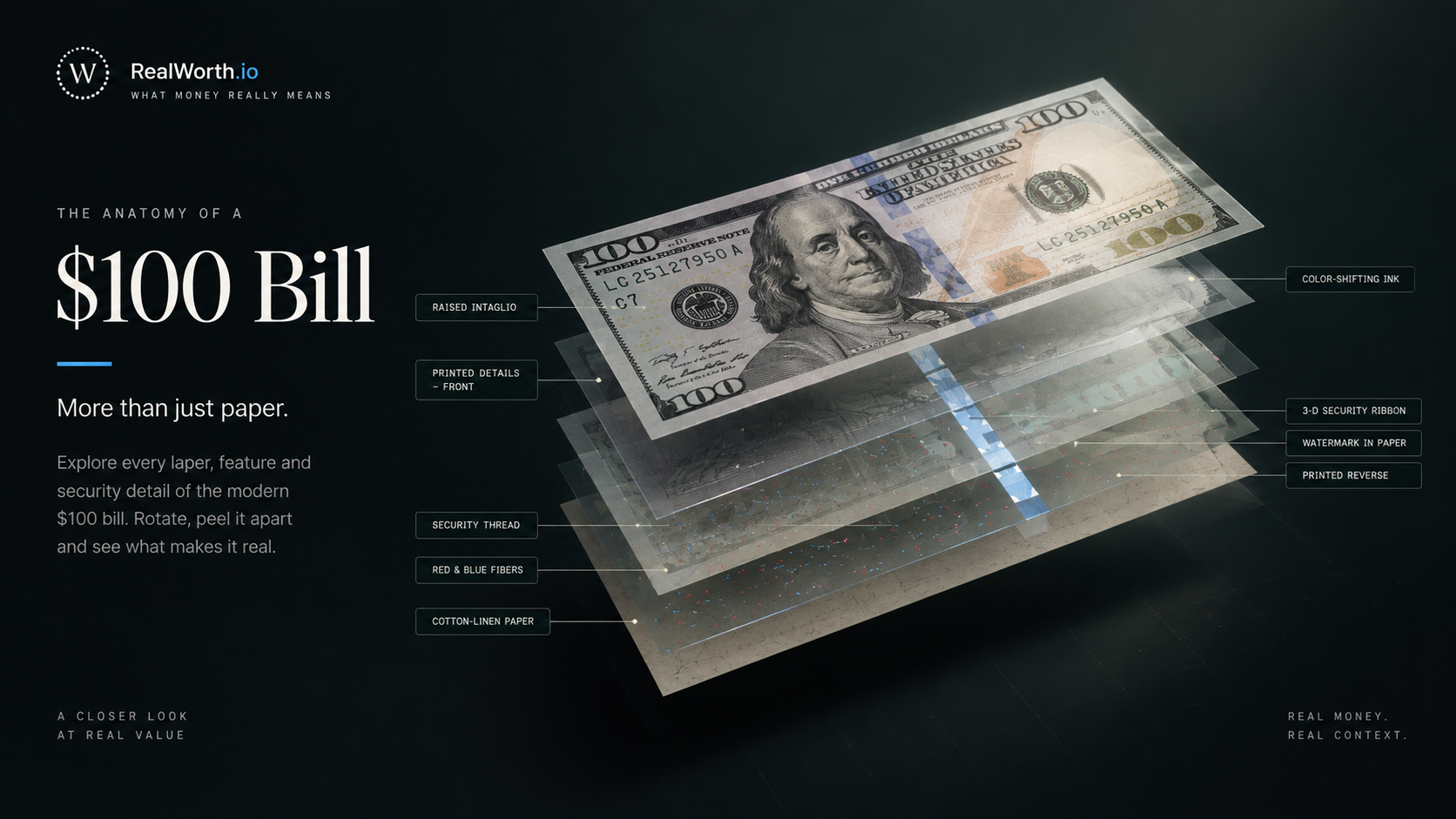
A 3D tour of the hundred, with 15 groups of design and security features explained. It is a masterclass in constraint-driven design — every element earns its place, and the whole thing has to survive being folded, washed, and counterfeited. Good inspiration for anyone working on dense, high-stakes interfaces.
Skip the tools, make the outcomes
Sidebar.io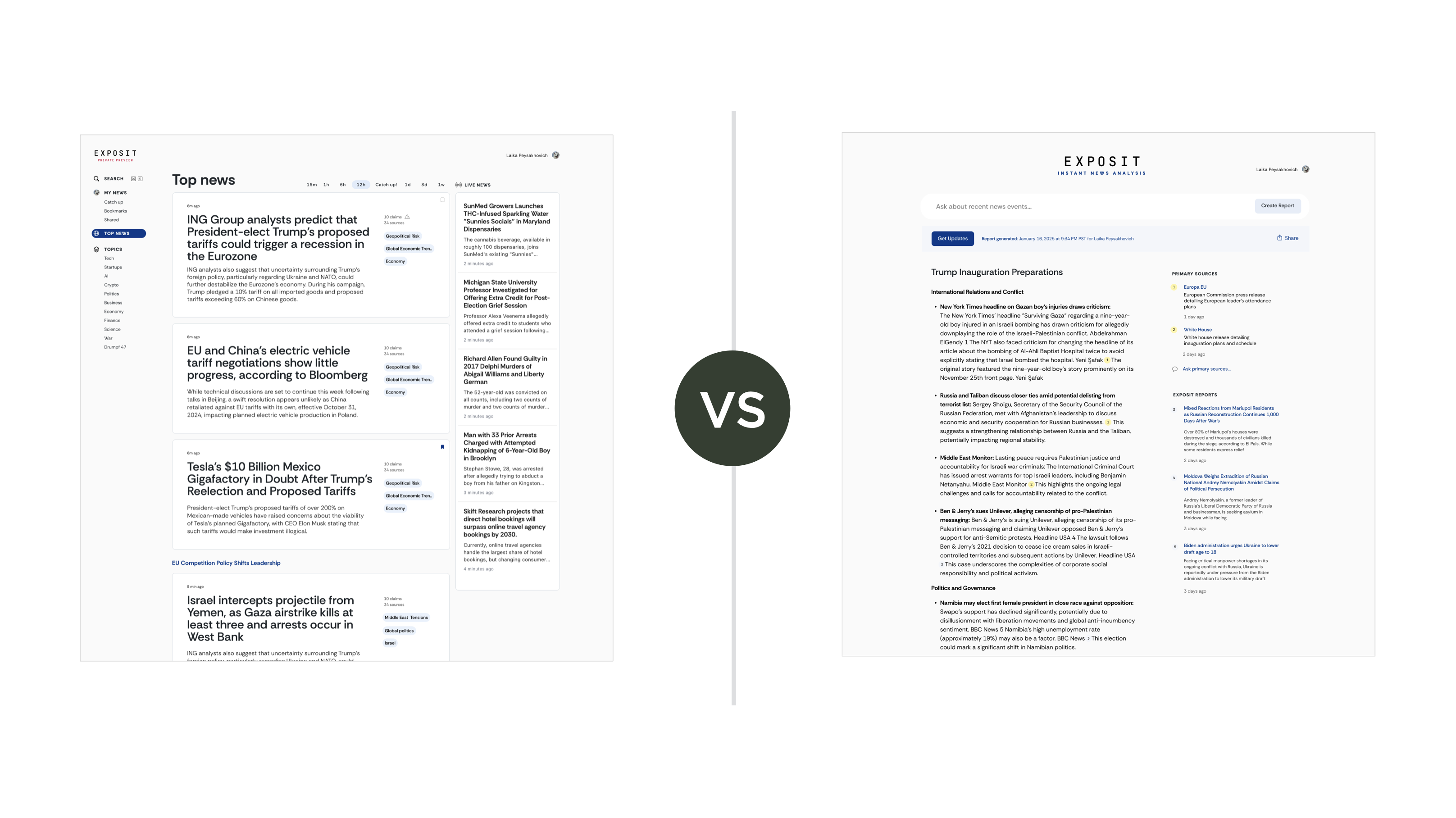
Luke Wroblewski on how the sheer volume of AI tools has trained the wrong instinct into us. We reach for the tool before we name the outcome. Short, and it lands.
Isometric NYC
Sidebar.ioA giant isometric pixel-art map of New York City, built as an excuse to push coding agents to their limits. The result is genuinely delightful, and the process notes are the real story for anyone curious about where agentic building is right now.
Meta’s Big AI Bet Now Fits on Your Keychain
The Neuron AIMeta Connect put Muse on a keychain, promised it for AI glasses, and gave its personal agent voice, email, and computer-use ambitions. The form factor is the interesting part — ambient, always-with-you AI is a different design problem than a chat window.
Adobe Wants Its Tools Wherever Your Next Project Starts
The Neuron AIPhotoshop heading toward Gemini, Acrobat and hands-on editing inside Claude, Premiere on Android. The through-line: Adobe is done assuming the project starts in Adobe. Worth watching as a distribution play, and as a signal about where creative work is actually happening.
Jensen Huang’s AI Safety Rule: If You Can’t Evaluate It, Don’t Ship It
The Neuron AIHuang argues labs should treat safety like engineering: evaluate, verify, contain, and don’t ship what you can’t control. The harder problem he names is the industry’s scale-at-all-costs loop. Relevant framing for any team shipping AI features into a product people depend on.
Aesthetics & Beauty
Heydesigner
A tight roundup: Figma design system conventions, whether your product has outgrown its floor plan, why the product strategy isn’t the roadmap, and detecting element overlap with CSS. The floor plan piece is the one to read if your IA is starting to creak.
Delegative UX: Designing the agent experience
Heydesigner
The three roles of context for AI agents, why AI is a boring technology, and blurry-before-beautiful image previews for the web. The context framing is the useful bit — it is the closest thing to a design pattern for agent UX right now.
Quick Hits
- IMG_0001A bot that crawled YouTube and found 5 million of raw, unedited videos....Sidebar.io
- 😺 Meta unveiled Muse Charm, a pocket AI...The Neuron AI
- Everything That Happened in AI Today (Thursday, September 24, 2026)The White House asked OpenAI and Anthropic to hold new models from U.K.The Neuron AI
- Claude Opus 5.5 Broke Our GPT-6 Benchmark: Full Livestream Guide with Demos, Prompts & TimestampsWe planned a GPT-6 Sol vs.The Neuron AI
- AI Agents Are Now Operating Enterprise Networks. Trust Sets the Limits.AI agents already act in production networks at 51% of surveyed organizations.The Neuron AI
- Claude Opus 5.5 Broke Our GPT-6 BenchmarkWe tried to benchmark Claude Opus 5.5 against GPT-6 Sol.The Neuron AI
- 😺 LIVE IN 5: GPT-6 Sol vs. Claude Opus 5.5...The Neuron AI
- Who Made Space Bunny? A MiniMax Clue Sharpens the MysterySpace Bunny is the latest free mystery model on OpenCode and OpenRouter.The Neuron AI
- What the Bible got right about AI...UX Collective