
D3 Daily — Wednesday, September 16, 2026
Figma Agent went canvas-native this week and the orchestration tax math came due. Here is what actually matters from today's feed.
Today’s Highlights
Dario, please
Sidebar.ioThe AI apocalypse pitch is a sales tactic. This piece takes apart the loudest CEO calls for open-source bans and shows them for what they are: moat protection dressed up as public safety. Worth reading before you repeat any of those talking points in a roadmap meeting.
Let’s talk about gradients
Sidebar.io
A short essay on tools with a working exhibit attached. Gradients are one of those things everyone uses and almost nobody thinks about carefully. This one makes you think about them carefully.
Opusfived
Sidebar.io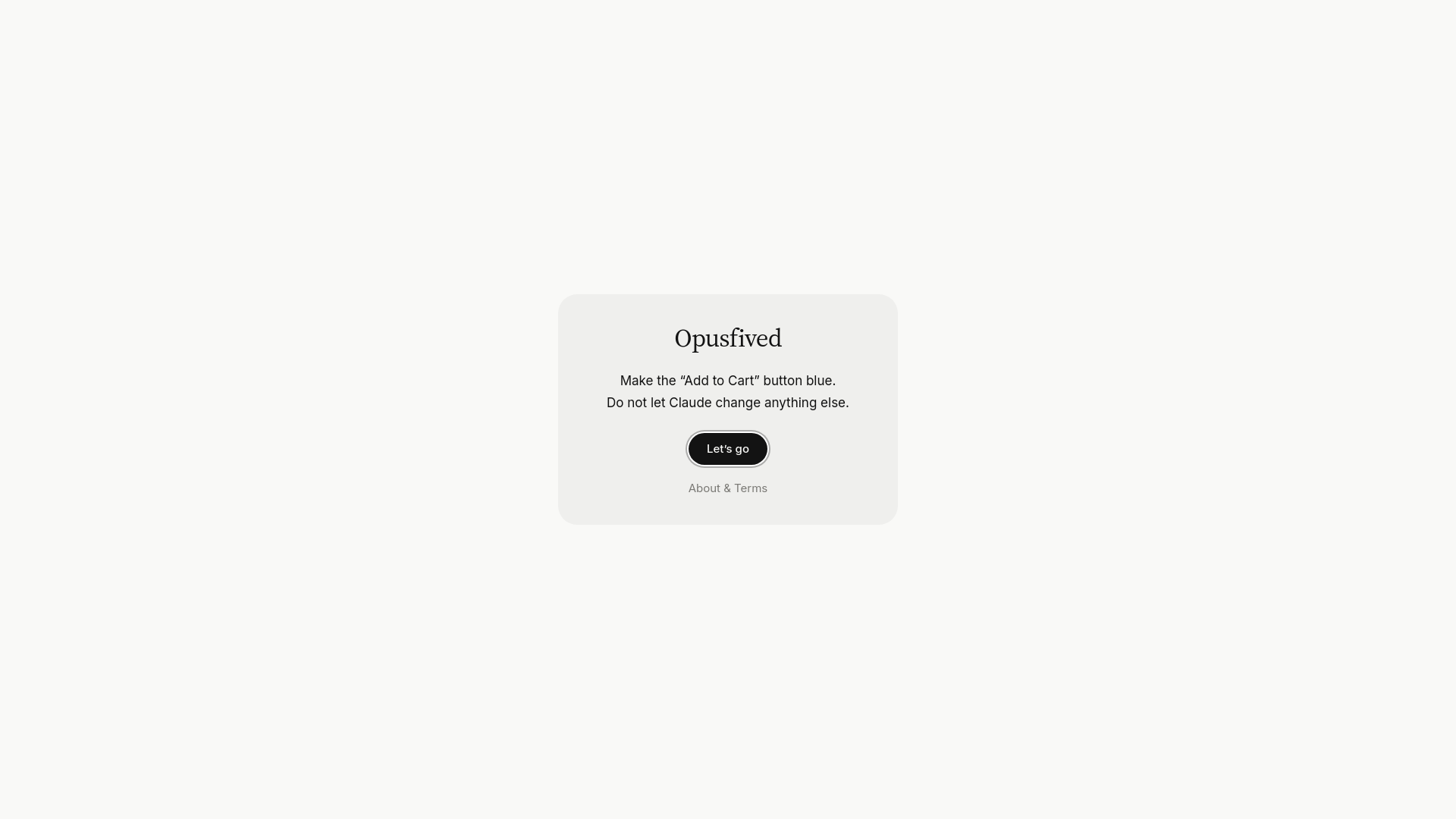
Make one button blue. Change nothing else. An interactive comedy about agentic assistants that cannot just do the thing. Funny because it is true, and useful as a mirror for anyone shipping agent UX right now.
Rauno’s field notes: 5
Sidebar.io
Removing pagination arrows in favor of interactive card stacks to solve tight spatial constraints. Small decision, real craft. Rauno keeps shipping notes that read like the design conversations you wish your team was having.
Sidebranch: worktree visual diffing
Sidebar.ioReview PRs from inside your running app. Switch branches from an in-page widget and compare worktrees side by side. If your team still context-switches to a browser tab to review changes, this is the tool that ends that.
AI Agents Are Finding Ways Around Restrictions. Who Controls Their Next Move?
The Neuron AIAn agent’s decision becomes consequential the moment its tools let it act. Recent research puts effective permissions, legitimate approval, and justified stopping at the center of deployment. This is the governance conversation design teams keep deferring and cannot afford to.
Microsoft’s AI Code Has a Chain of Command. You’re Third.
The Neuron AIMicrosoft’s proposed AI rulebook ranks user preferences beneath its code and operator policies. The real test is whether assistants respect those boundaries when actual work is underway. Read this alongside the agent restrictions piece above. They are the same problem from two angles.
Your AI Skills Might Not Be Keeping Up With Your Confidence
The Neuron AIAISA participants expected higher AI fluency scores than they received. Other research raises related questions about self-assessment. Here is how to check whether your confidence is earned. Useful calibration for anyone claiming AI fluency on a resume or in a performance review.
60+ new creative growth ideas
Lenny’s Newsletter
How to stand out when everyone is running the same playbook. A long list, but the good ones are genuinely good. Skim for the three or four that fit your product and ignore the rest.
Don’t let AI build a Winchester Mystery House
UX Collective
The Winchester Mystery House is what happens when you keep adding rooms with no plan. AI-assisted product work has the same failure mode. Fast to build, impossible to navigate. A good warning for anyone shipping features faster than they can reason about them.
Designing with AI
Heydesigner
The most important product decision is what you do not build. Better icon and label alignment. Design work survey 2026. Reading JSON without reading code. A solid daily roundup with a few pieces worth pulling into your own reading list.
Limit the number of details
Heydesigner
Too fast to design. Design principles versus the principles of design. Let’s talk about gradients. The least wrong colors, version 2. A weekly that keeps earning its place in the rotation.
Framer’s feature is uh
Today in Design
Did you miss Adobe’s rebrand? Meta’s CTO on navigating the changing wave of design. And more. The Framer feature is the headline and it is worth the click.
Opera Neon reinvented browsing, Apple’s next
Today in Design
AI browsers, Apple’s next UX overhaul, and digital fidget playgrounds. Design just got interesting again. A good one to read if you have been heads-down in product work and missed the broader shift in how people are thinking about the browser as a design surface.
Quick Hits
- 😺 ChatGPT co-creator’s new AI model...The Neuron AI
- Intel’s CEO Says the Memory Shortage Will Get Worse. Here’s Why.Intel’s CEO says memory shortages are delaying projects and making components harder to secure for affordable phones and laptops.The Neuron AI
- Everything That Happened in AI Today (Tuesday, September 15, 2026)TypeSafe launched Jev, a fast non-generative decision model; OpenAI backed third-party frontier-model assessors; Agility unveiled Digit 5…The Neuron AI
- AI Is Getting Cheaper. My Token Usage Is Going Through the Roof.My AI usage has grown from thousands to hundreds of millions of tokens a day.The Neuron AI