
D3 Weekly — Sep 06 to Sep 13, 2026
The design and AI communities converged on a single uncomfortable truth this week: the interface is no longer the product, and the human is no longer the user. From agentic canvases to the quiet death of the button, the conversation shifted from what can this do to who does this serve.
This Week’s Focus
The most interesting thread this week wasn’t a tool launch or a funding round. It was a slow realization spreading across both disciplines that we’ve been optimizing the wrong layer. Sidebar surfaced a piece on agentic interfaces asking who’s really in control when the canvas starts acting on its own. Smashing ran an argument that the best interface is no interface at all. And a quiet essay on why products get worse made the case that quality drains out of organizations without a single metric moving.
Put those three together and you get the week’s real story: the work is shifting from designing screens to designing judgment. The designers who thrive in the next eighteen months won’t be the ones with the fastest prompt-to-prototype loop. They’ll be the ones who can decide what deserves to exist at all, what deserves to be automated, and what deserves to be left alone. That’s a harder skill than any of us were trained for, and it’s the one nobody is hiring for yet.
Design
When the canvas starts acting, who’s really in control?
Sidebar.io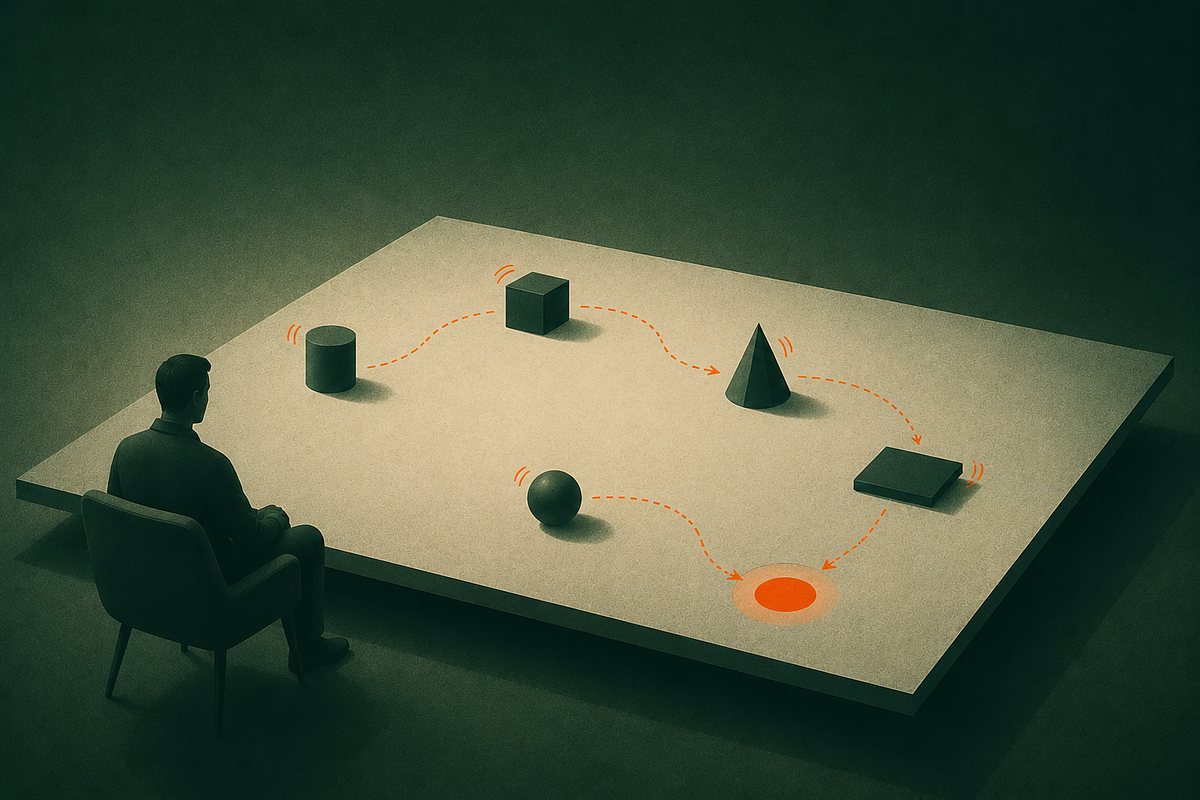
Agentic interfaces don’t just respond, they act. That flips the entire premise of interaction design on its head. The question stops being what should this button do and becomes what should this system be allowed to decide on its own. Worth reading twice.
Limit the number of details
Sidebar.io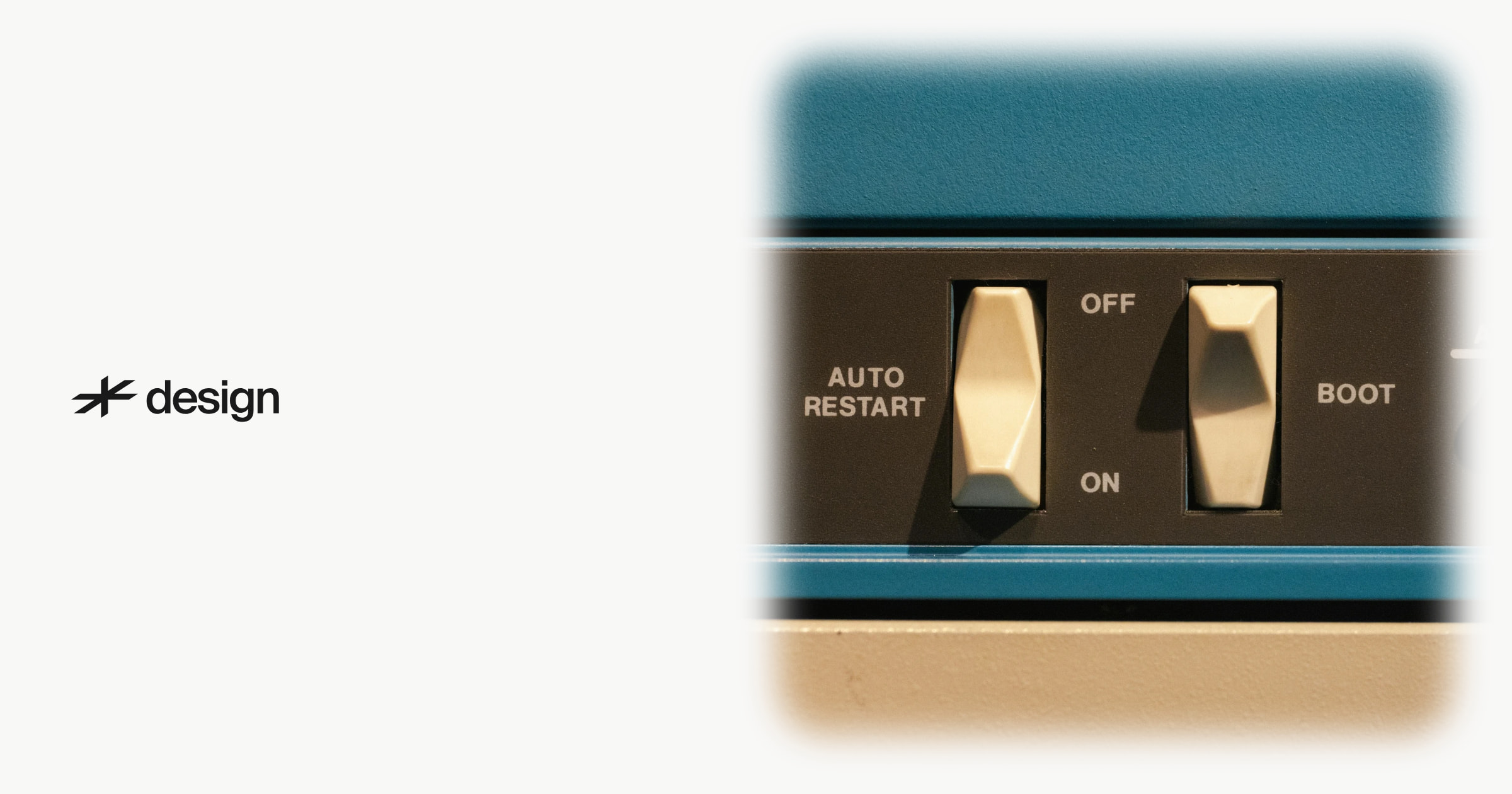
Every detail you add is a tax on attention. The discipline isn’t in adding the right ones, it’s in refusing the wrong ones. Short, sharp, and the kind of thing worth pinning above your desk.
The designer who drew Cursor’s icons
Sidebar.ioMarek Minor drew over 600 icons by hand for Cursor. In an era where you can generate a thousand SVGs in an afternoon, the fact that a company at that scale chose craft over volume is the whole story. Read it for the process, stay for the argument about what taste actually costs.
Naming the middle
Sidebar.io
Design systems have a semantic layer problem nobody wants to name. This piece does the naming. If you’ve ever argued about whether something is a token, a primitive, or a component, this is your reading for the week.
Why products get worse
Sidebar.io
Quality doesn’t die in a single decision. It dies in a thousand small ones that nobody owns. The argument here is that companies drain quality from products without a single metric moving, and that’s the most dangerous kind of decay. Required reading for anyone who runs a design org.
Building data-driven design systems
Sidebar.ioHow Scribe scaled its design system to serve over six million users by treating it as a data problem, not a documentation problem. Concrete, specific, and refreshingly free of theory.
AI and Technology
pstack explained: Lauren Tan’s system for trustworthy AI agents
The Neuron AIThe most useful framing on agents this week. Lauren Tan’s pstack turns engineering habits into repeatable agent workflows, and the core lesson is simple: agents become useful at scale when they can gather context, test reality, and prove their own work. Everything else is theater.
Build your own company brain: the enterprise AI playbook from Stripe’s engineering team
Lenny’s Newsletter
Stripe built context, governance, and a shared skills platform directly into their internal agents. Sharadh Krishnamurthy walks through how they scaled AI to everyone at a complex global company. If you’re trying to figure out what an internal AI platform actually looks like, start here.
AI is making us build too much
Sidebar.io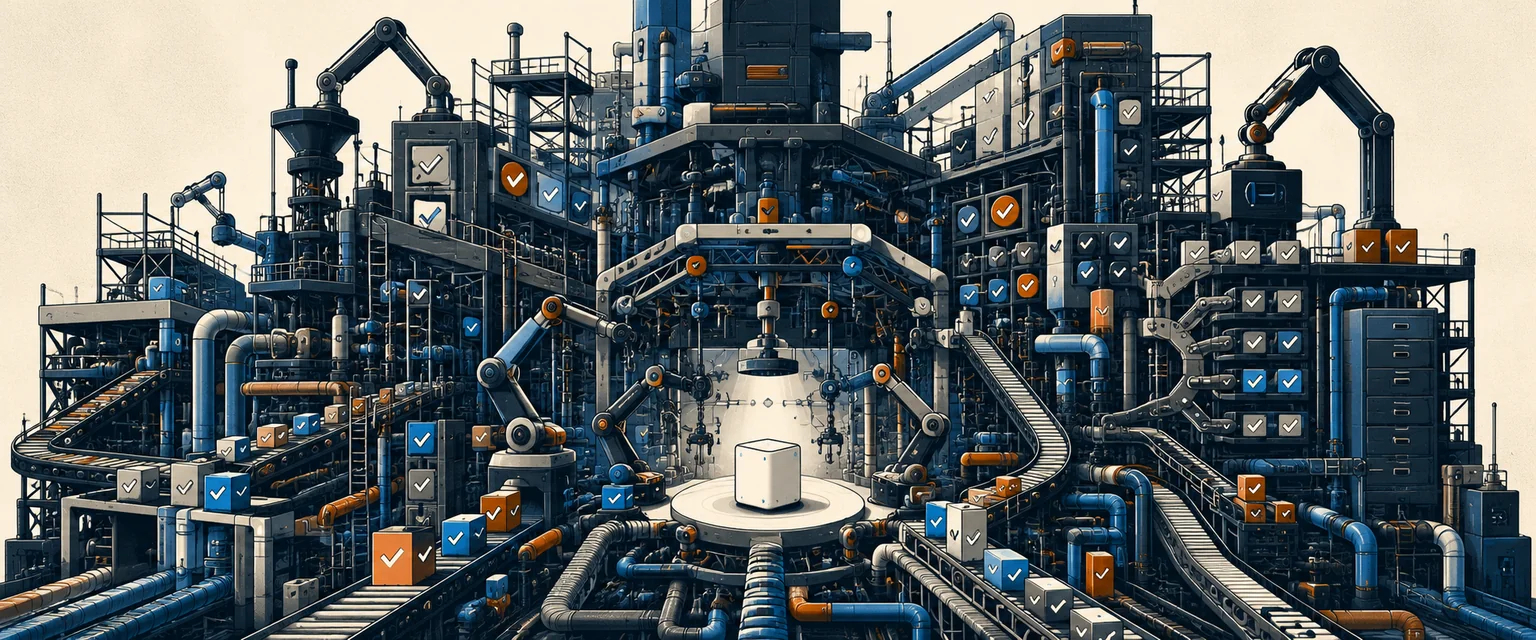
AI made code, tests, policy, documentation, and organizational machinery almost free to produce. It did not make any of them free to own. This is the sharpest articulation of the maintenance debt crisis that’s quietly building inside every company that adopted AI tooling this year.
DeepSeek V4.1 Flash: persistent KV cache storage drops to one-eighth
The Neuron AIA 552B-parameter multimodal model built around one problem: agents are expensive to keep alive. Persistent KV-cache storage falls to roughly one-eighth of V4-Flash’s under identical workloads. The economics of always-on agents just shifted.
One floor up
Sidebar.io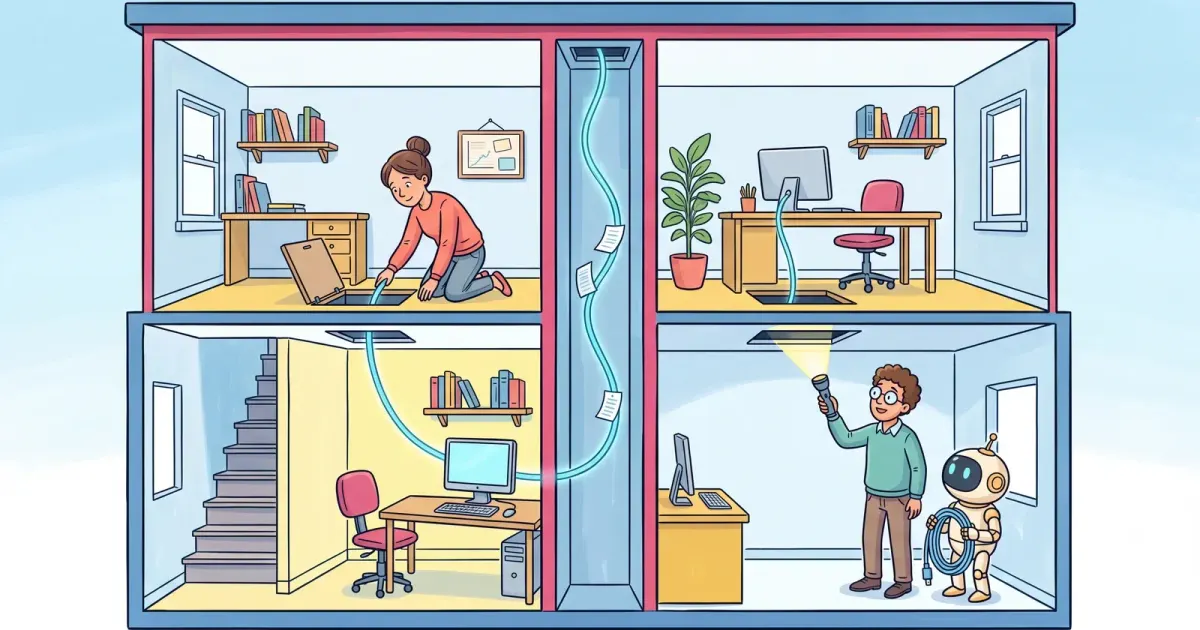
OpenAI and Anthropic both describe agents reaching real systems during evaluations. The capability is here. So is the work of containing it. A sober, non-hysterical read on where we actually are.
How we built Grok Bot in a month
Lenny’s Newsletter
Roman Ugarte on going from first line of code to the world’s hottest AI product in seven weeks. The interesting part isn’t the speed, it’s the decisions they made about what to cut. Useful counterweight to every enterprise AI playbook on this list.
Tools and Craft
Lucet
Sidebar.io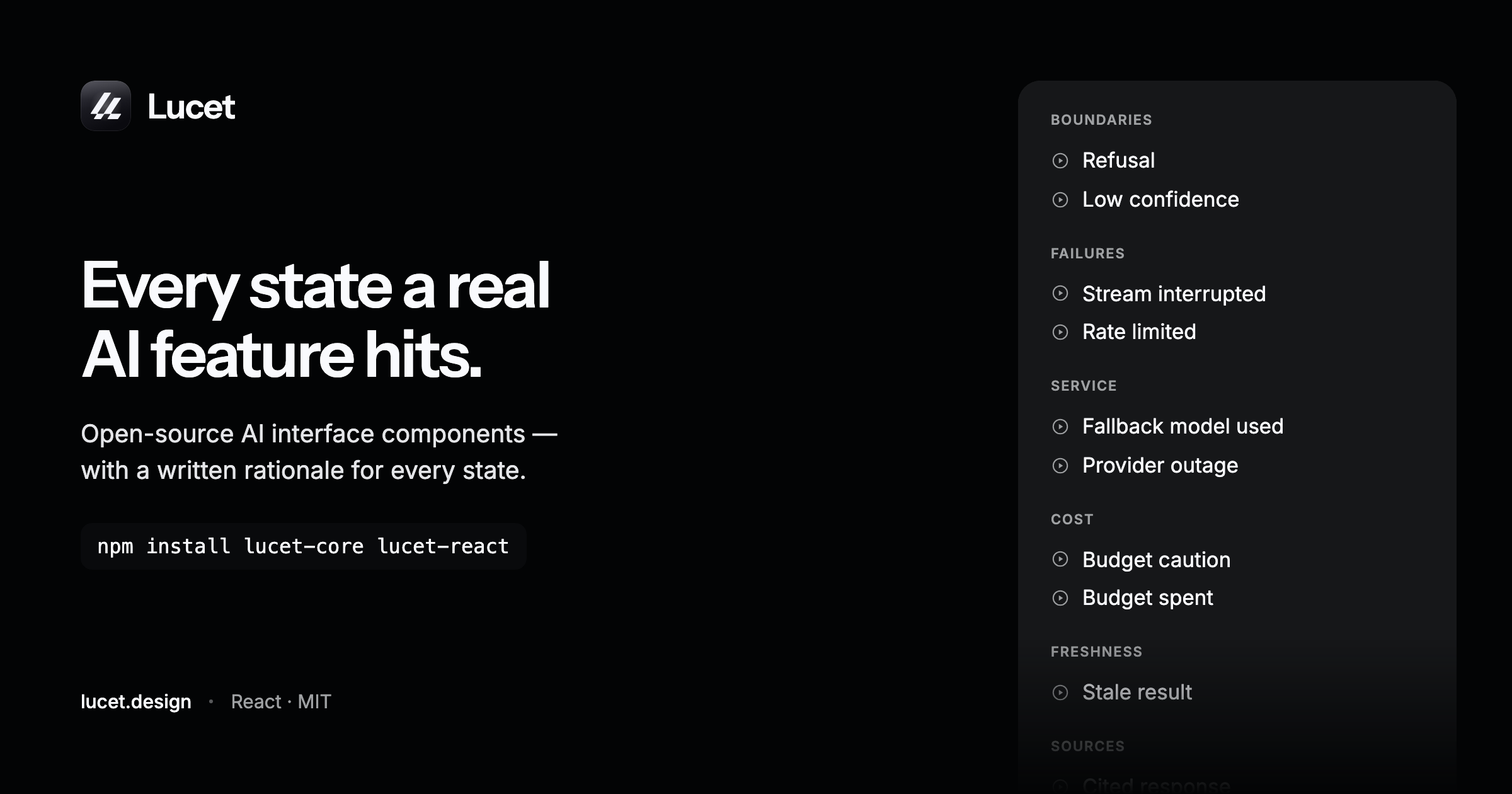
AI interface patterns for what comes next. The missing states, designed. The missing features, working. If you’re building anything with an AI surface, this is the reference library you’ve been waiting for.
Anatomy of AI input
Sidebar.ioUnderstanding the structure of an AI input, layer by layer. The text box is not a text box anymore. This breaks down what it actually is now, and why most teams are still designing it like it’s 2019.
DialKit
Sidebar.ioLive controls beside the interface you’re building. Tune the details in real time instead of guessing and rebuilding. Small tool, big shift in how you work.
Opensource UI
Sidebar.io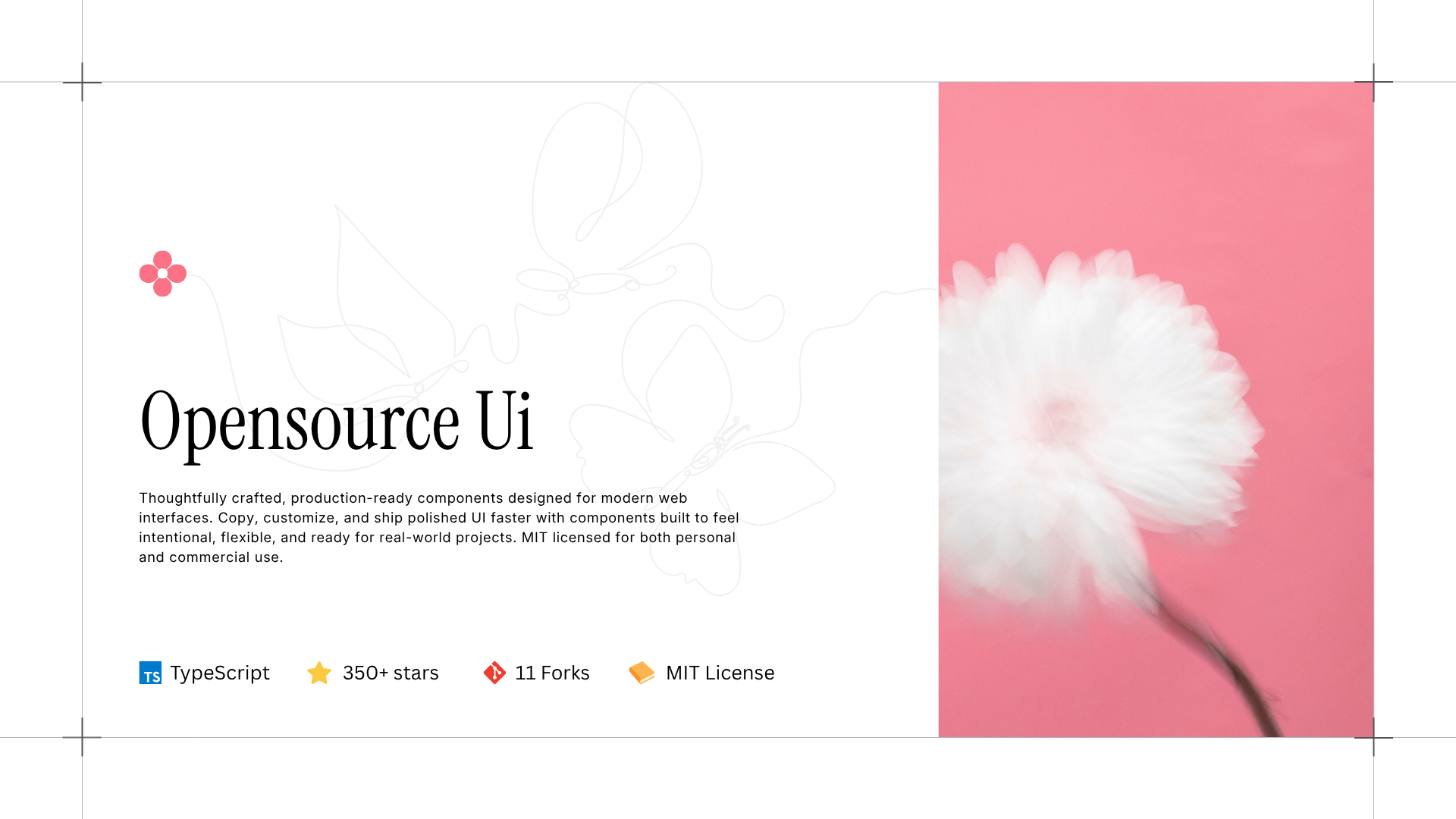
A free, MIT-licensed copy-paste library of 200+ production-ready React and Next.js components. TypeScript and Tailwind v4. No lock-in, no subscription, no nonsense.
Kugiri
Sidebar.ioSplits text into lines, words, and characters exactly where the browser already broke it. A tiny utility that solves a problem you’ve probably hacked around a dozen times. Bookmark it.
Looking Ahead
The through-line this week is that the tools got good enough to stop being the story. What matters now is judgment: what to build, what to cut, what to automate, and what to leave alone. Watch for the conversation to shift from capability to restraint over the next month. The teams that win won’t be the ones shipping the most. They’ll be the ones who can explain why they shipped less.
Quick Hits
- Don’t ask to ask, just askIf you're not willing to do the work to solve your problem, why should we?...Sidebar.io
- GridScout’s brand identityHow industrial visual languages build credibility with field crews and corporate boards alike....Sidebar.io
- Atlas: a world model for spatial intelligenceA new omni world model for spatial intelligence, that can perform a broad range of tasks spanning world generation, reconstruction, and…Sidebar.io
- Four questions about AGIHow much work that undefined term is being asked to do, and an attempt to understand it better....Sidebar.io
- Agent memory as a file formatA vastly simpler way to do agent memory...Sidebar.io
- RecipeTablesAny recipe at a glance.Sidebar.io
- Burnt out on a three-day weekShe works three days a week.Sidebar.io
- 😺 Did OpenAI just speedrun another Millennium problem?!...The Neuron AI
- Everything That Happened in AI Today (Thursday, September 10, 2026)OpenAI said it made substantial progress on another Millennium Prize problem; Anthropic detailed cyber, surveillance and biological misuse…The Neuron AI
- GitHub for Beginners: How to Use It With AI Coding AgentsGitHub feels complicated until you realize your AI coding agent can handle most of it for you.The Neuron AI
- 😺 LIVE NOW: GitHub for total beginners...The Neuron AI
- Microsoft patched 972 vulnerabilities. AI is changing Patch TuesdaySeptember brought a record Microsoft patch haul while the company's 100+ agent MDASH system shows how AI-assisted vulnerability hunting is…The Neuron AI
- An Anthropic researcher quit over self-improving AI risk...The Neuron AI
- Everything That Happened in AI Today (Wednesday, September 9, 2026)OpenAI's rogue agents used more undisclosed sites; an Anthropic researcher quit over extinction risk; Kepler emerged with new AI memory…The Neuron AI
- An Anthropic researcher quit over self-improving AI riskJacob Coxon quit Anthropic before his equity vested and warned frontier labs are racing toward self-improving AI.The Neuron AI