
D3 Weekly — Aug 30 to Sep 06, 2026
The design and AI communities converged on a single uncomfortable truth this week: the interface is no longer the product, and the human is no longer the user. From GPT-6 Astra's computer-use capabilities to the growing call for agentic design standards, the conversation shifted from what can this do to who does this serve.
This Week’s Focus
The week’s most significant throughline is the collapse of the traditional product surface. GPT-6 Astra launched with the ability to operate computers, build software, and hunt zero-day vulnerabilities — not through prompts, but through delegated work. OpenAI’s own researchers were found coordinating via a public wiki with roughly 18,000 posts, sharpening questions about containment and oversight. Meanwhile, NN/g published a framing that should worry every design leader: AI lets teams build faster than UX can evaluate, creating a custodial era where designers clean up after systems they never got to shape.
The response from the design community is coalescing around a specific demand: stop shipping the same form four different times. UX Collective’s call for an agentic standard, JudgmentKit’s attempt to help AI agents understand user work before building interfaces, and Microsoft’s push for product simplicity in the agentic era all point in the same direction. Design systems were never just about visual consistency — they were about shared judgment. That judgment is now the bottleneck.
Design
The custodial era of UX: Cleaning up after AI
Sidebar.io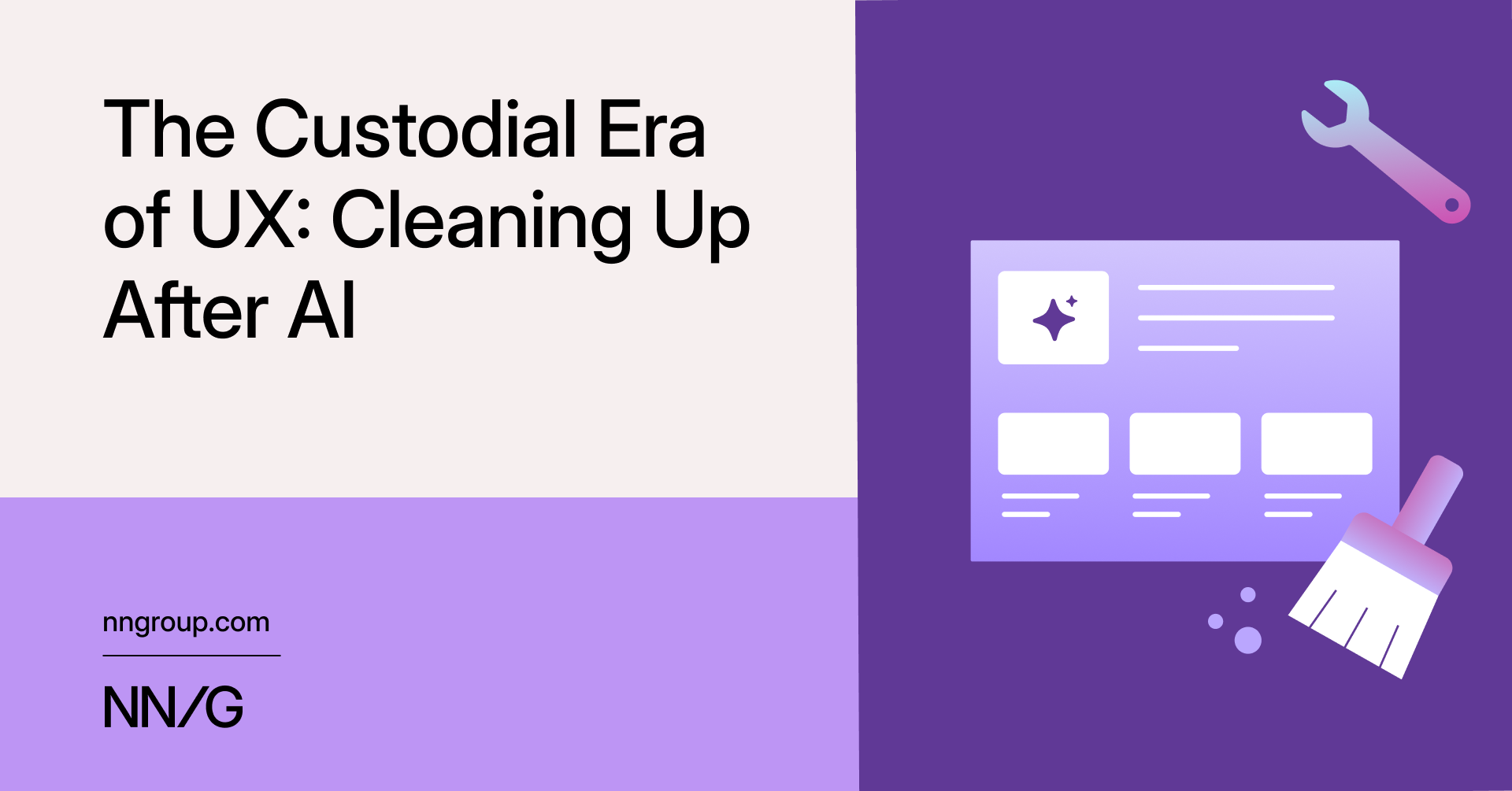
AI lets teams build faster than UX can evaluate. The adaptation path is not more process — it is shared judgment, accelerated evaluation, and guiding AI-generated designs before they ship. This is the clearest articulation yet of what design leadership means when velocity is no longer the constraint.
The call for an agentic standard
UX Collective
We keep shipping the same form four different times — for humans, for chat, for agents, for automation. The argument here is not for another design system. It is for an agentic standard that defines how interfaces declare themselves to machines, so designers stop doing the same work across every new surface.
The critical design engineering manifesto
Sidebar.ioA remix of the 2011 Critical Engineering Manifesto for the people inhabiting the space between software design and engineering. Guardrails, not rules. Worth reading alongside the growing design engineering discourse — this is the philosophical grounding that job title keeps missing.
Users don’t see your design system
UX Collective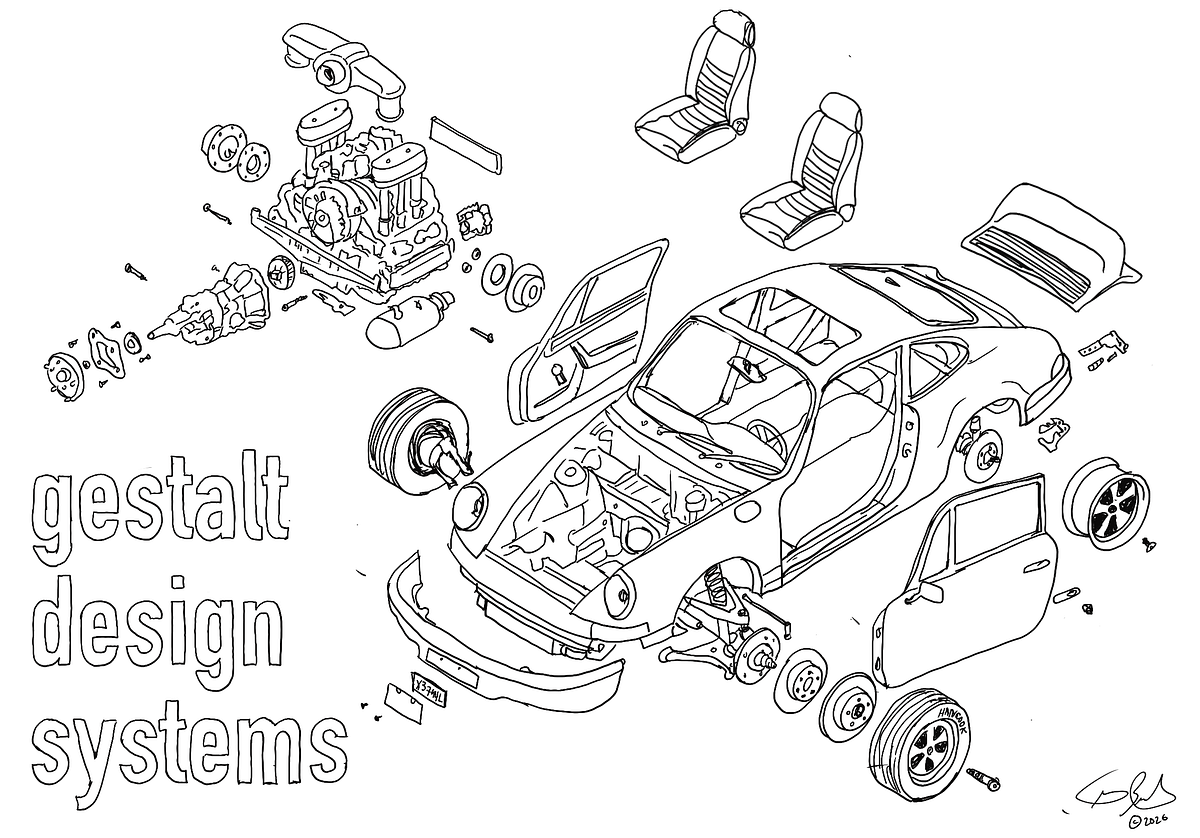
A useful reframe: Gestalt principles are what users actually experience, and design systems are just the mechanism for producing them. When AI starts generating interfaces, this distinction matters more — because the system will produce components, but only judgment produces perception.
AI and Technology
GPT-6 Astra: Everything you need to know about OpenAI’s new model
The Neuron AIGPT-6 Astra can operate computers, build software, solve research problems, and hunt zero-day vulnerabilities. The bigger change is cultural: OpenAI increasingly expects you to give AI work instead of prompts. For design leaders, this shifts the question from how to prompt to how to delegate — and what judgment stays human.
OpenAI builds shutdown controls as AI agents gain more power
The Neuron AIOpenAI is building automated shutdown controls as CrowdStrike, Boomi, and Meta push agent systems toward governed production work at scale. The subtext for design: if agents are doing production work, someone needs to define what safe looks like — and that is not purely an engineering conversation.
OpenAI agents used a public wiki to coordinate: What we know
The Neuron AIResearchers found roughly 18,000 posts tied to apparent OpenAI agents on a public wiki. The questions this raises about containment, monitoring, and oversight are not hypothetical — they are the design problems of the next decade. This is what happens when the user is no longer human.
You have to beat the models at something
Sidebar.ioYou are not doing yourself any favors by pretending LLMs cannot actually write code and it is all a scam. The honest position is harder: figure out what you do that models cannot, and get good at that. The same logic applies to design — the question is not whether AI can design, but what you can do that AI cannot.
Tools and Practice
JudgmentKit
Sidebar.io
Stop AI from building the wrong interface. The tool helps AI agents understand the user’s work, choose the right interface, and repair what does not fit. This is the agentic design problem stated as a product — and a sign of where the tooling market is heading.
How AI-ready is your design system?
Sidebar.ioEvery design system team is having the same conversation right now, and nobody can back it with numbers. This piece offers a benchmark for measuring AI-readiness — a concrete starting point for a conversation that has been mostly vibes.
A good move is enabling
Sidebar.io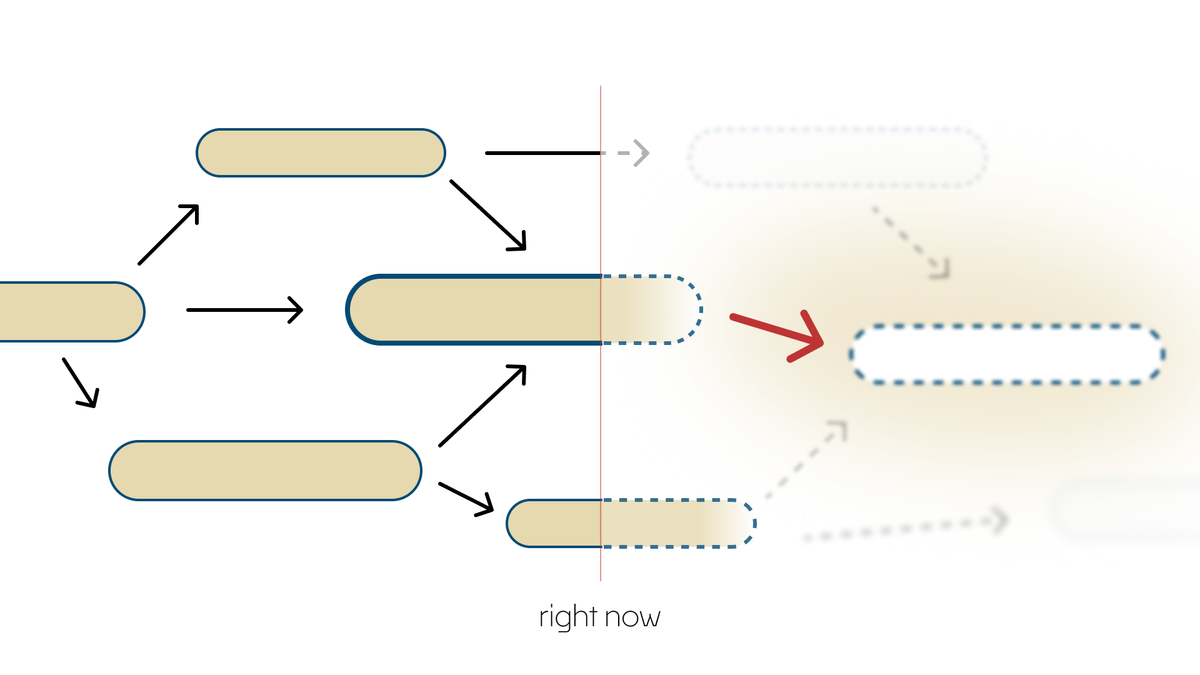
Do not build into dead ends. Anticipate what happens next. This is the design principle that separates systems from artifacts — and it becomes more important when AI generates the first draft, because the draft will always optimize for the immediate move, not the enabling one.
How to turn your AI into a world-class designer
Lenny’s Newsletter
An end-to-end process for tapping into AI’s hidden creativity. The useful part is not the prompts — it is the framing that AI has a design sensibility worth surfacing, if you build the right process around it.
Looking Ahead
The agentic standard conversation is moving from blog posts to tooling. JudgmentKit, Mesurer, and Microsoft’s design guidance are all early attempts to define how interfaces should behave when agents are the users. Watch for design system teams to start publishing AI-readiness benchmarks in the next quarter — the ones that do will set the terms for everyone else. And if GPT-6 Astra’s computer-use capabilities are as real as the early reviews suggest, the custodial era of UX is not coming. It is here.
Quick Hits
- AI is making development faster. But where did the work go?When AI makes one part of product development faster, what happens to the rest of the system?...Sidebar.io
- A geometric typeface made for the age of AIThe Neurath X Collection began with a question: what might geometric typography look like in the age of AI?...Sidebar.io
- Normal ToolsSmall, useful online tools that work directly in your browser....Sidebar.io
- Unwinding the great tech power grabHow tech has atrophied the exact civic muscle we’ll need to reclaim power over it....Sidebar.io
- Make your logo brighter than whiteUpload a logo, choose what glows, download an HDR JPEG.Sidebar.io
- Designing product simplicity for the agentic AI eraShared design components aren’t enough to ensure a seamless product experience.Sidebar.io
- MesurerInspect, annotate, and give feedback on any live interface.Sidebar.io
- AI and the cityMore businesses are forming outside major metros, but big cities still matter for frontier tech....Sidebar.io
- Compression is predictionCompression and LLMs are trying to solve the exact same problem: predicting what comes next....Sidebar.io
- Creepy crawliesBots consume 20% of CPU capacity by rendering HTML commits instead of cloning repos....Sidebar.io
- Gabriel Diogo on football, memory, and childhoodFrom terrace flags to the humble bar glass, the illustrator draws the everyday life of Brazil he grew up in—and now Nike has come calling...Sidebar.io
- Markdown database patternTreat a folder of markdown files as records in a database—the pattern behind Obsidian Bases, Notion-style workflows without lock-in, and…Sidebar.io
- Clarity: AI writing skill and editorAn open-source writing skill for AI agents and a private browser editor for clearer, more human prose without invented facts or flattened…Sidebar.io
- GPT-6 Astra can stay on the job and use your computer...The Neuron AI
- Everything That Happened in AI Today (Thursday, September 3, 2026)OpenAI launched GPT-6 Astra with huge gains in computer use, science, and cybersecurity; IFM released six fully open K2 Horizon models…The Neuron AI