
D3 Weekly — Aug 23 to Aug 30, 2026
The design and AI communities converged on a single uncomfortable truth this week: the interface is no longer the product, and the human is no longer the user. From Anthropic's SDLC playbook to GitLab's governance warnings, the conversation shifted from what can this do to who does this serve.
This Week’s Focus
The most striking thread this week wasn’t a single article but a pattern across sources: the industry is finally admitting that AI’s bottleneck is trust, not capability. GitLab’s “When code is abundant” makes the case plainly — producing code is cheap, trusting it is not. Anthropic’s AI-native SDLC playbook tries to solve this by formalizing a stage-by-stage process, but the deeper question lingers: if everyone follows the same playbook, what’s the differentiator?
Ilya Birman’s “Vibe coding and quality” offers a contrarian answer. He argues that high quality is now achievable only through vibe coding — not despite it. That’s a provocative stance, but it aligns with what Tara Seshan from OpenAI told Lenny: ambition is the new differentiator, not execution. The tools have commoditized the how. The what and the why are all that’s left.
Design
Design’s legibility gap
Sidebar.io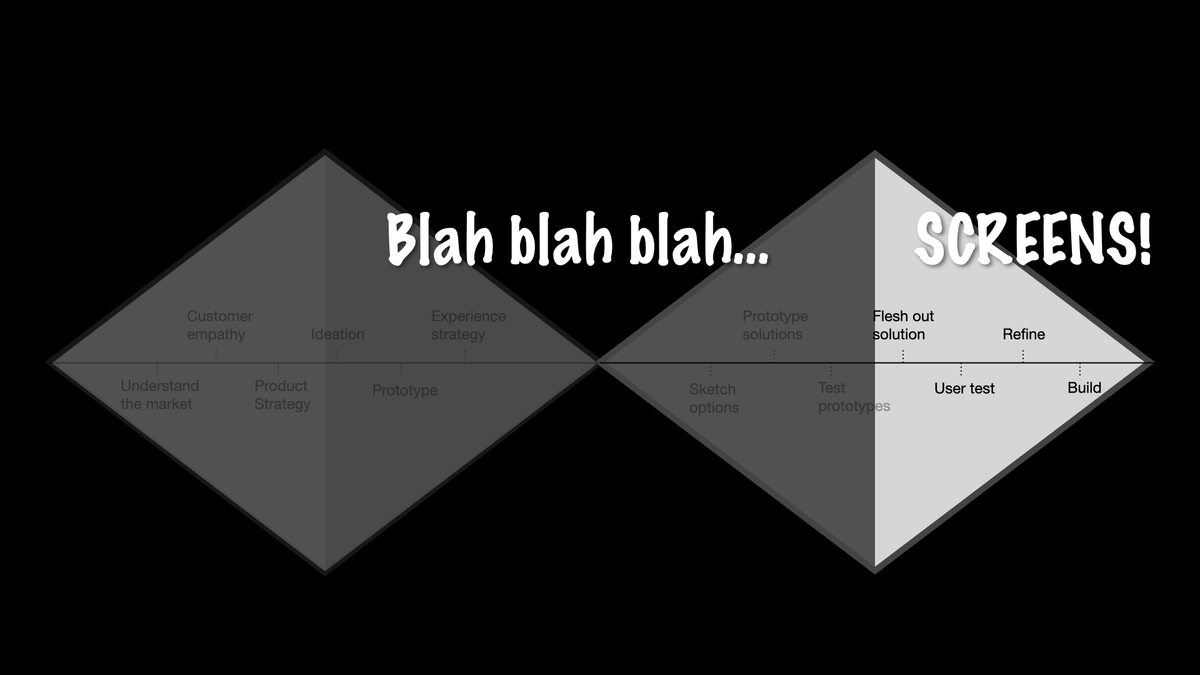
Peter Merholz introduces “legibility” as the missing framework for why UX struggles inside organizations. Design’s value is invisible to executives because the process is illegible to them. A sharp, uncomfortable read for anyone who has ever felt design gets treated as decoration.
Every fork looks like adoption
Sidebar.io
A sharp critique of how design systems measure adoption. The graph keeps going up because forks and copies get counted as usage. The real signal is whether teams come back to the source. Worth reading before your next design system review.
Stop using OKLCH lightness for your color scale
UX Collective
OKLCH is brilliant at generating color but can’t predict contrast. The article makes a strong case for a different metric to weight your palette. A practical, technical read that will save you from shipping inaccessible color scales.
What luxury bags can teach designers about adapting to a changing deal
UX Collective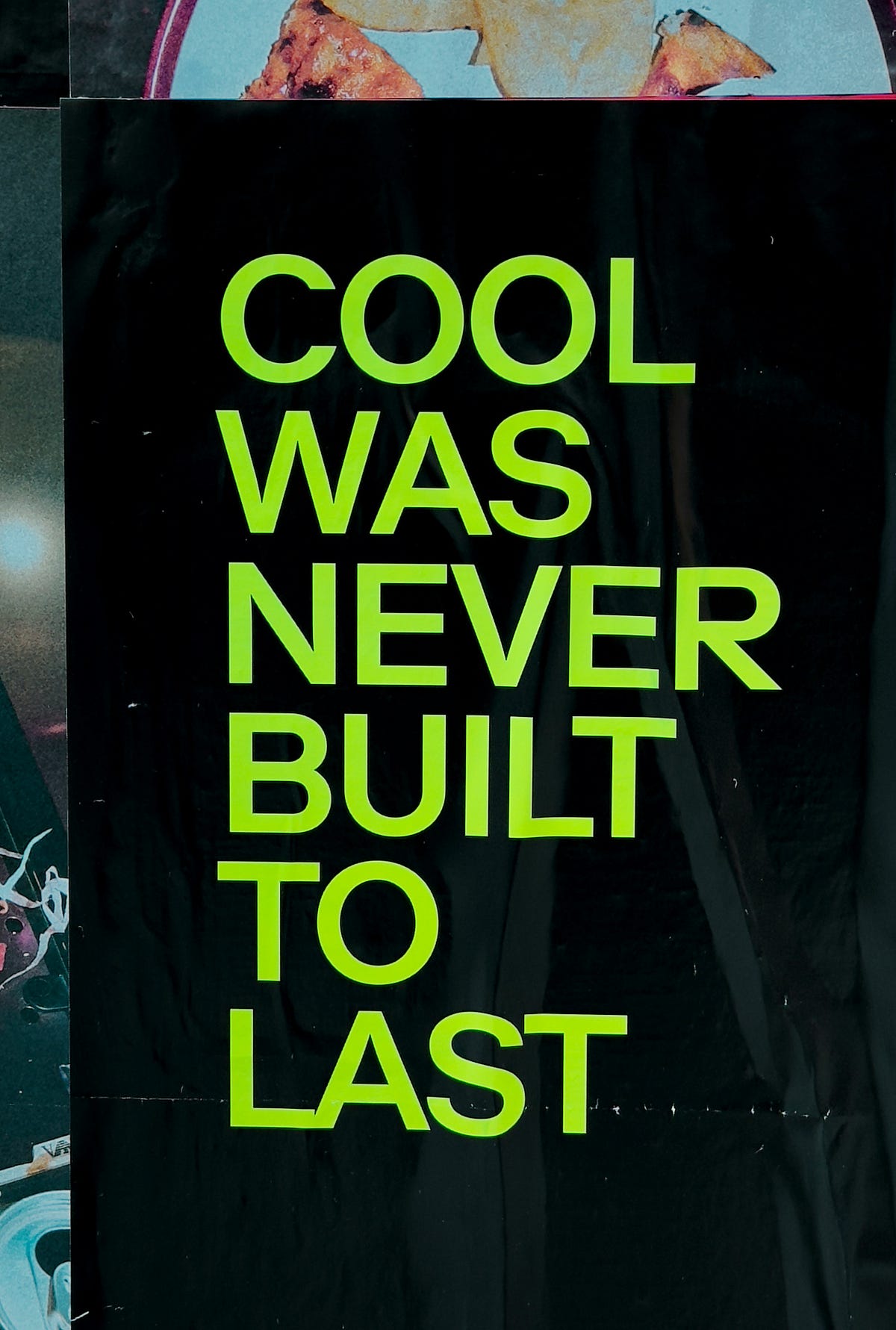
Design isn’t becoming lame. Your screens don’t vouch for you anymore. The article draws a parallel between luxury goods and design work — when the artifact becomes commoditized, the brand and the story carry the value. A timely argument for why designers need to sell outcomes, not deliverables.
AI and Technology
The AI-native SDLC playbook
Sidebar.io
Anthropic’s stage-by-stage playbook for planning, designing, building, testing, deploying, and maintaining software with Claude. The most concrete articulation yet of what an AI-native engineering org looks like. Even if you’re not on Claude, the process thinking transfers.
When code is abundant
Sidebar.io
Producing code is getting cheap. Trusting it is not. GitLab makes the case that enterprises need a durable layer of context, verification, and governance around AI-generated code. The most sober take on AI engineering this week.
I spent $20,000 on Devin in a month. Here’s what I learned
Lenny’s Newsletter
Solo founder Ryan Carson runs 15 concurrent Devin agents to handle engineering, customer success, and investor updates. The handwritten list he uses to keep it all straight is the most human detail in an otherwise agentic story. A grounded look at what happens when you actually commit to agents at scale.
AI’s third era: the rise of persistent AI coworkers
Lenny’s Newsletter
Tara Seshan, head of Codex and ChatGPT Work at OpenAI, argues that ambition is now the differentiator. Steering beats rowing. And you need to build for where the models will be in two to three months, not where they are today. The most strategic AI conversation this week.
On teaching AI how you work
Sidebar.io
Personal skills turn years of writing into loadable judgment you can install instead of re-explaining. One command runs all of it. The most practical take on personal AI workflows this week — less about prompts, more about encoding your taste.
Tools and Resources
The AI Interface Museum
Sidebar.ioA visual history of how humans learned to interact with AI. From command lines to chat to agents, the museum traces the evolution of the AI interface. A useful reference for anyone designing AI products — it shows how fast the patterns have shifted.
Is Agentic
Sidebar.io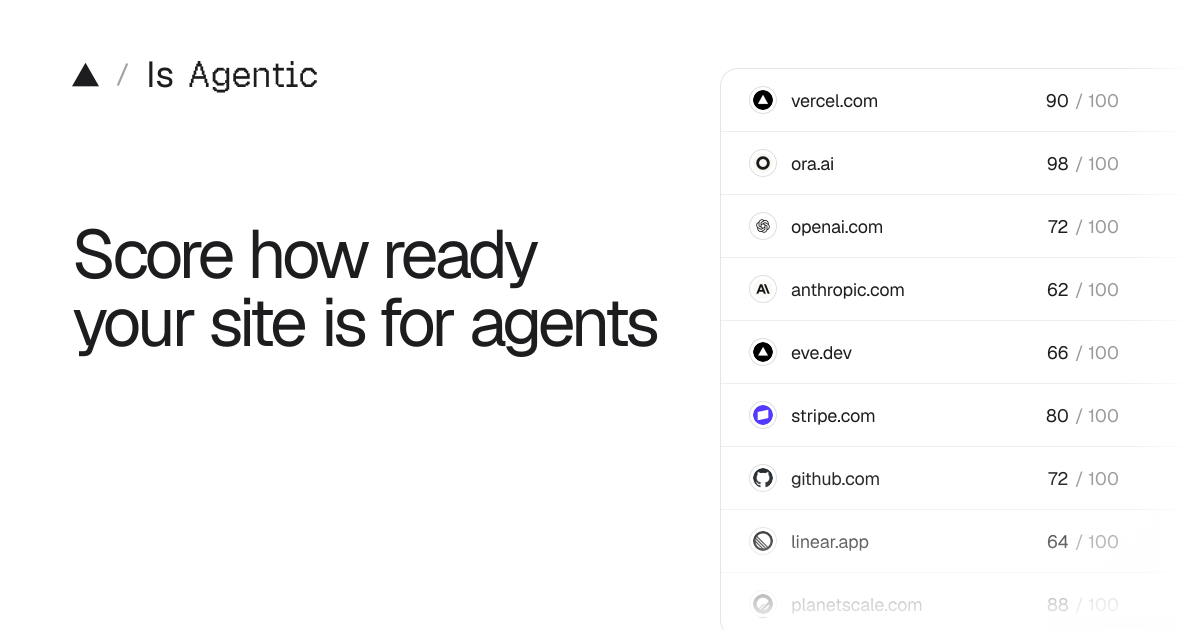
Score how ready a website is for AI agents, then get evidence and recommendations to improve it. A practical tool for anyone wondering whether their product will survive the agentic web. The recommendations are specific enough to act on immediately.
Balsa UI
Sidebar.io
An agent-native, open-code component system for Vue and React. Built for AI agents to consume and modify, not just humans. This is what design systems look like when the primary consumer is a model, not a developer.
CSS Units
Sidebar.io
A complete interactive reference to every CSS measurement unit. From the basics of px and rem to the nuances of svh, dvh, and cqw. The kind of reference you bookmark and forget until you need it — then it saves you an hour.
Looking Ahead
The throughline this week is that the tools have won. The remaining questions are about judgment, trust, and taste. Design’s legibility gap and GitLab’s governance concerns are two sides of the same coin — the work is no longer about producing artifacts, it’s about making the process legible and trustworthy. Expect next week’s conversation to shift from capability to accountability.
Quick Hits
- Software for oneRobin Sloan wished for a HyperCard that could build a family app in a day.Sidebar.io
- Step inside Teddy Blanks’ film title design processTeddy Blanks, the Chips co-founder behind the title sequences for Barbie, Weapons and Robert Eggers’ upcoming Werwulf, unpacked....Sidebar.io
- Futurism is always extremeRigorous thinking about the future produces extreme outcomes....Sidebar.io
- The turbulent AI era is hereIf the world takes the right steps, AI will be a force for good and leave everyone better off....Sidebar.io
- I dream of quieter computingA quick note about future of computing and indieweb....Sidebar.io
- PlotterOccasional works of short fiction....Sidebar.io
- Let me clickHow interfaces prevent input errors by resolving invalid states automatically rather than disabling options or displaying errors....Sidebar.io
- What is the purpose of softwareMapping 50 years of economic data to measure software's productivity yield....Sidebar.io
- TegakiAnimated handwriting from any font....Sidebar.io
- Vibe coding and qualityJust last year, vibe coding seemed like a toy.Sidebar.io
- Spells Digest #75Issue #75 of the Design Spells newsletter...Design Spells
- 😺 AI Security CEO warning: the risk from agents is “almost infinite.”...The Neuron AI
- 😺 7 Companies Got Hacked by a Tricked AI...The Neuron AI
- 😺 Nvidia's buying Hugging Face for $12.9B...The Neuron AI
- 😺 Anthropic's $30 Trillion Market Claim...The Neuron AI