
D3 Daily — Monday, August 24, 2026
The AI stack is breaking into interchangeable layers, typography is getting a physics lesson, and enterprise sales just got a playbook. Here is what actually matters from today's feed.
Today’s Highlights
Perfection is not over-engineering
Sidebar.ioThe industry has conflated two very different things. Perfection is a standard of care. Over-engineering is a failure of scope. This piece draws the line cleanly — useful for anyone defending craft against the “ship it” crowd, or for anyone who needs to hear that polish is not padding.
Keeping type consistent in changing conditions
Sidebar.io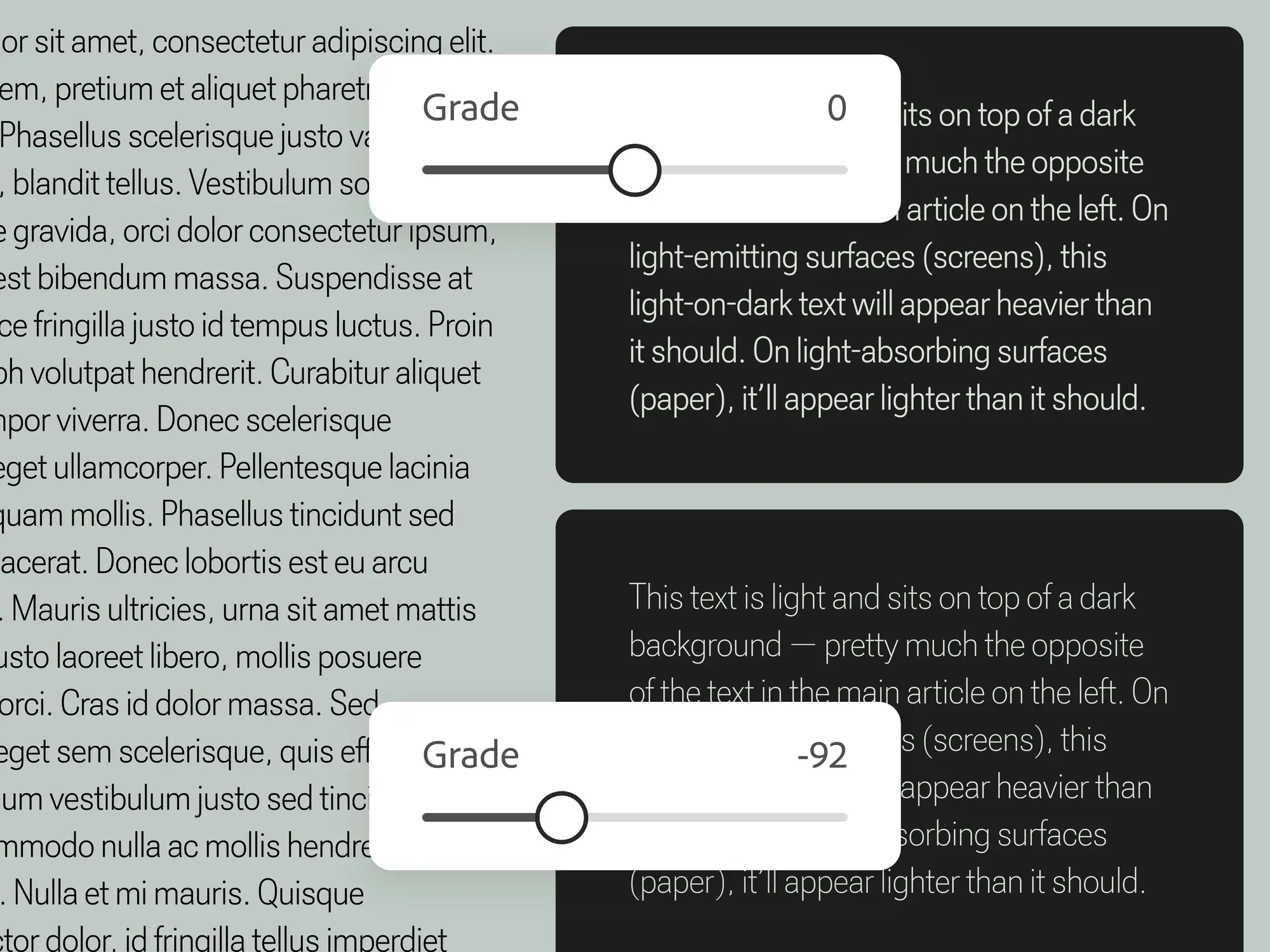
Typography breaks when the canvas changes. Screens, print substrates, variable conditions — the geometry shifts and your type looks off. The answer is typographic grade: adjusting weight and spacing to preserve visual balance without touching the layout. A quiet, technical read that will change how you look at font files.
Fluid type scale calculator
Sidebar.io
The manual labor of responsive type is gone. This tool generates CSS clamp functions for fluid typography scales, automating the math across viewports. Bookmark it, run your scale through it, and delete the spreadsheet you were using.
How complex systems fail
Sidebar.ioA short, brutal primer on system safety. Latent flaws, hindsight bias, operator adaptation — the failures are never where you look. Product teams building on top of AI agents should read this twice. The system is not failing because of the code. It is failing because of the assumptions.
The new AI stack: Qwen, Unsloth, Buzz, Berd, and more
The Neuron AITwo hours of testing, one big conclusion: the AI stack is no longer a monolith. It is breaking into interchangeable layers — models, fine-tuning, orchestration, interfaces. The winners will be the teams that treat these layers as swappable, not sacred. Worth a read before you commit to another vendor lock-in.
How to close $100K+ enterprise deals, step by step
Lenny’s Newsletter
Jen Abel returns for a third pass at the enterprise sales cycle — from cold outreach to signature. The detail here is the point: every step, every objection, every negotiation lever. If you sell into large orgs, or support someone who does, this is the closest thing to a field manual you will find.
Stop using OKLCH lightness for your color scale
UX Collective
OKLCH is brilliant at generating color, but it cannot predict contrast. The lightness value lies to you. This piece walks through the better number for your palette weights — a correction that will save your design system from a thousand subtle accessibility failures.
Quick Hits
- The AI Notepad for back-to-back meetingsNotes, actions and memory for your AI Agents.Sidebar.io
- 😺 Anthropic's IPO could top SpaceX's record...The Neuron AI
- 😺 Why Sam Altman thinks people hate AI...The Neuron AI
- No log off, How to become an AI Designer, vibe coded portfolios...UX Collective
- Scandinavian design: before and afterThe critical design engineering manifesto, Design tokens, web components, and CSS @layer, Recursive self-improvement, Is Agentic....Heydesigner