
D3 Weekly — Aug 02 to Aug 09, 2026
The design and AI communities converged on a single uncomfortable truth this week: the interface is no longer the product, and the human is no longer the user. From Figma's new way of working to Microsoft's "naked designer" manifesto, the conversation shifted from what can this do to who does this serve.
This Week’s Focus
The most important thread this week wasn’t about a new tool or model release. It was about the collapse of craft as a differentiator. Microsoft Design published “The Naked Designer,” arguing that when AI makes execution nearly free, the designer’s value shifts entirely to point of view. That piece landed alongside Mariusz Ciesla’s “The Last Product Design Tool,” which argues wireframes are back because they force decisions before pixels. Both point to the same conclusion: the artifact was never the product. The judgment was.
The second thread is economic. “Something is changing in the unit economics of software” breaks down how AI compresses margins across the SaaS playbook, while “The AI productivity gap” asks why gains remain small despite massive investment. These aren’t design articles, but they’re the context every design leader needs. If software margins compress, design budgets follow. If productivity gains stay small, the pressure to show measurable impact intensifies. The two threads converge on a single question: what is the durable value of a design organization when the tools are commoditized?
Design
The naked designer: What happens when you can’t hide behind craft
Sidebar.io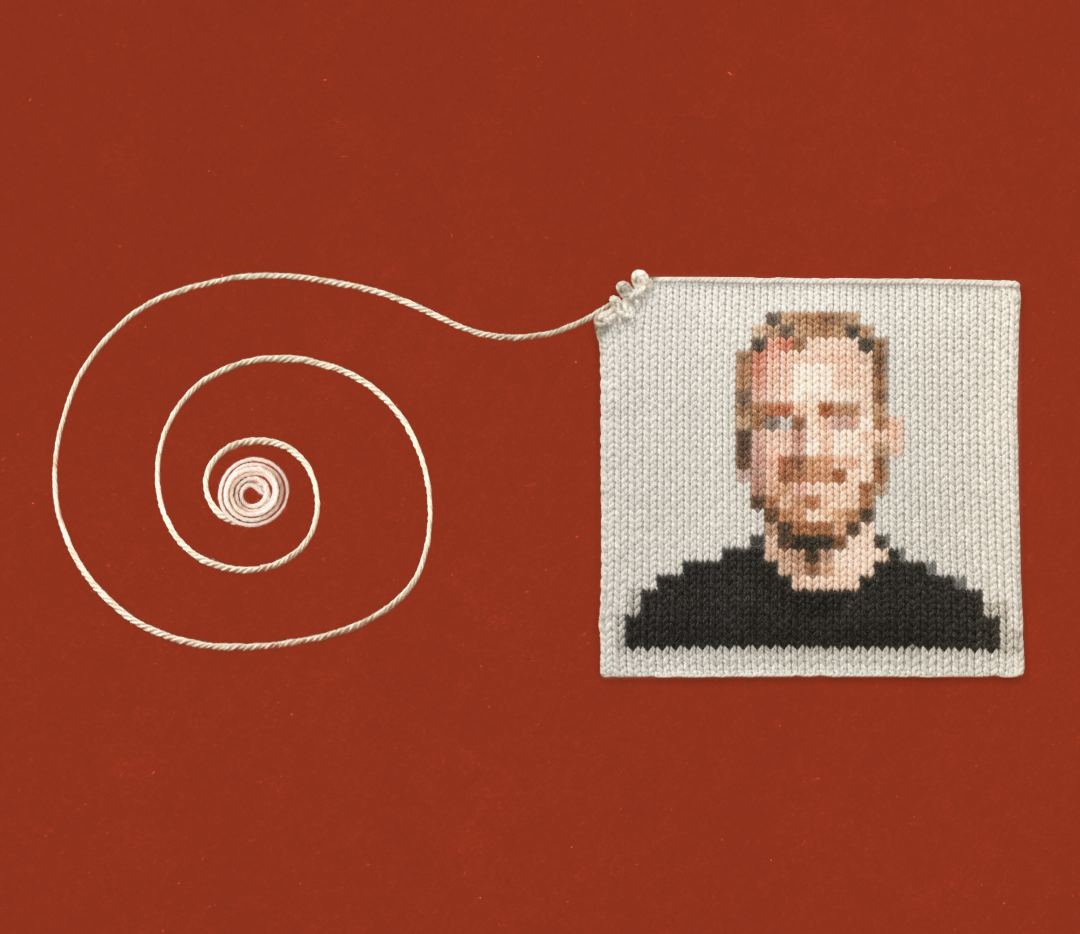
In an era where AI has made execution nearly free, the designer’s true value no longer lies in craft alone but in having a genuine point of view. This is the most direct articulation yet of what the job becomes when the tools do the making.
The last product design tool
Sidebar.io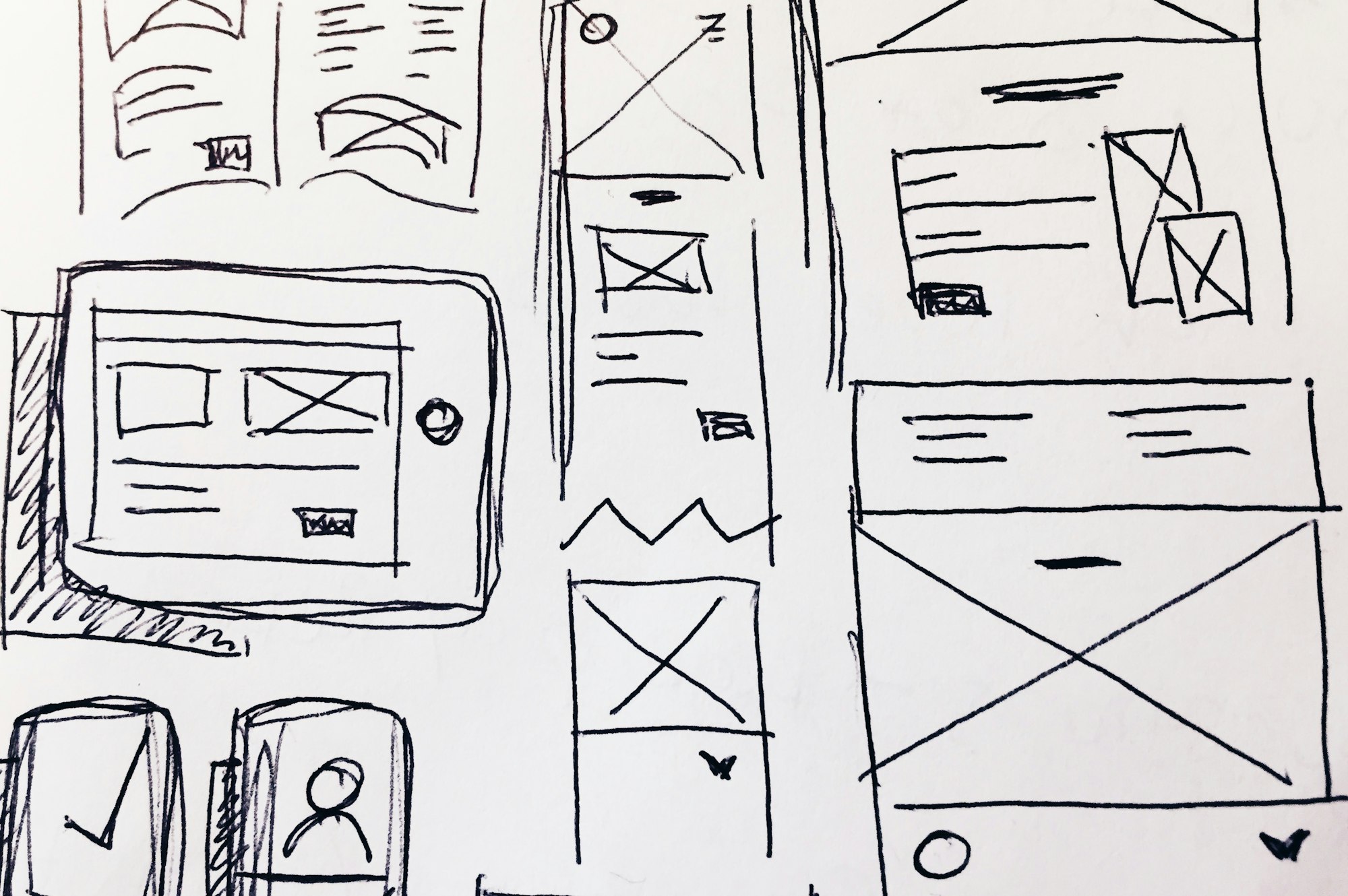
Wireframes are back. Not as a deliverable, but as a forcing function for decisions. The argument here is that the ultimate tool isn’t a canvas or a prompt — it’s a structure that makes you commit before you polish.
The plateau of sad gray icons
Sidebar.io
Everyone wants to teach AI agents good taste. This piece just wants them to stop filling every surface with icons in soft gray containers. A sharp critique of the aesthetic monoculture AI is already enforcing, and a reminder that taste is a differentiator, not a default.
Code, craft, and the making of nested folders
Sidebar.io
Figma’s own retrospective on shipping nested folders, treating code as a proposal and handoffs as conversations. A rare inside look at how a design tool company actually designs its own process.
AI and Technology
Designing for the proxy
Sidebar.io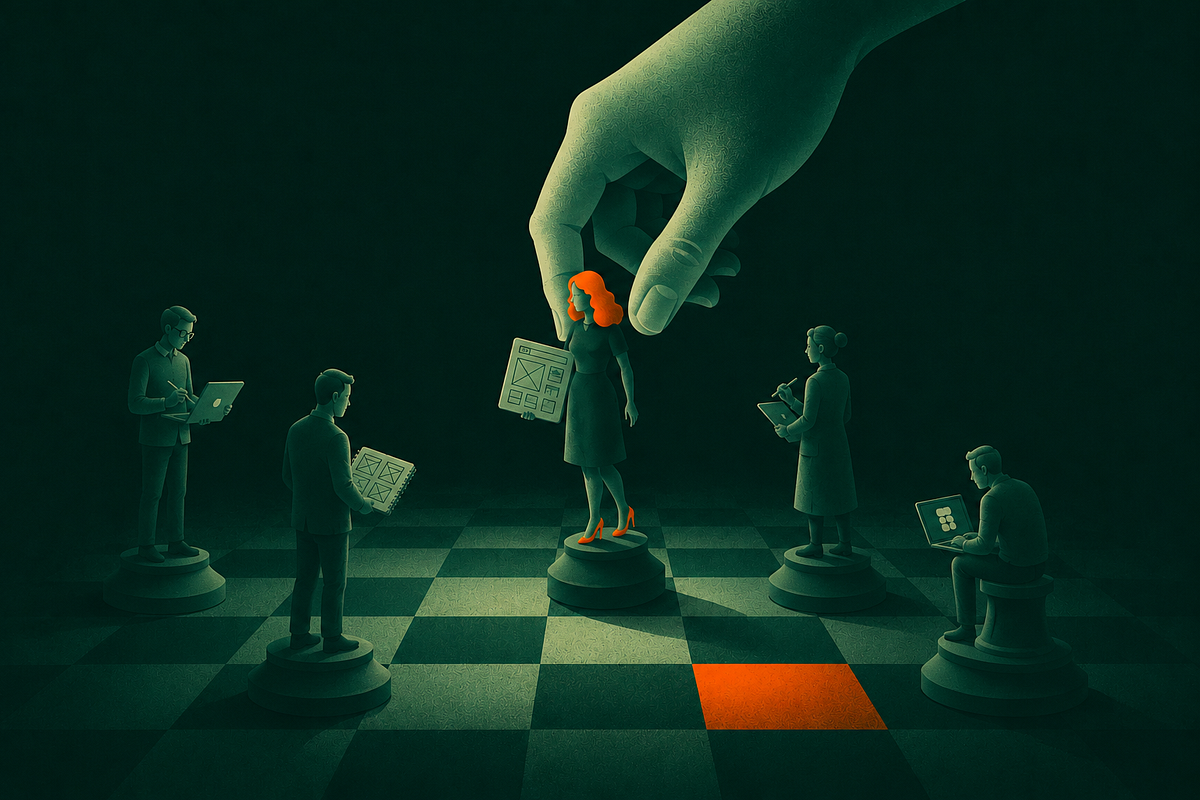
AI is changing who reads first. When agents are the primary consumers of your interface, the design target shifts from human cognition to machine parsing. This is the clearest framing yet of what “designing for the proxy” actually means.
Something is changing in the unit economics of software
Sidebar.io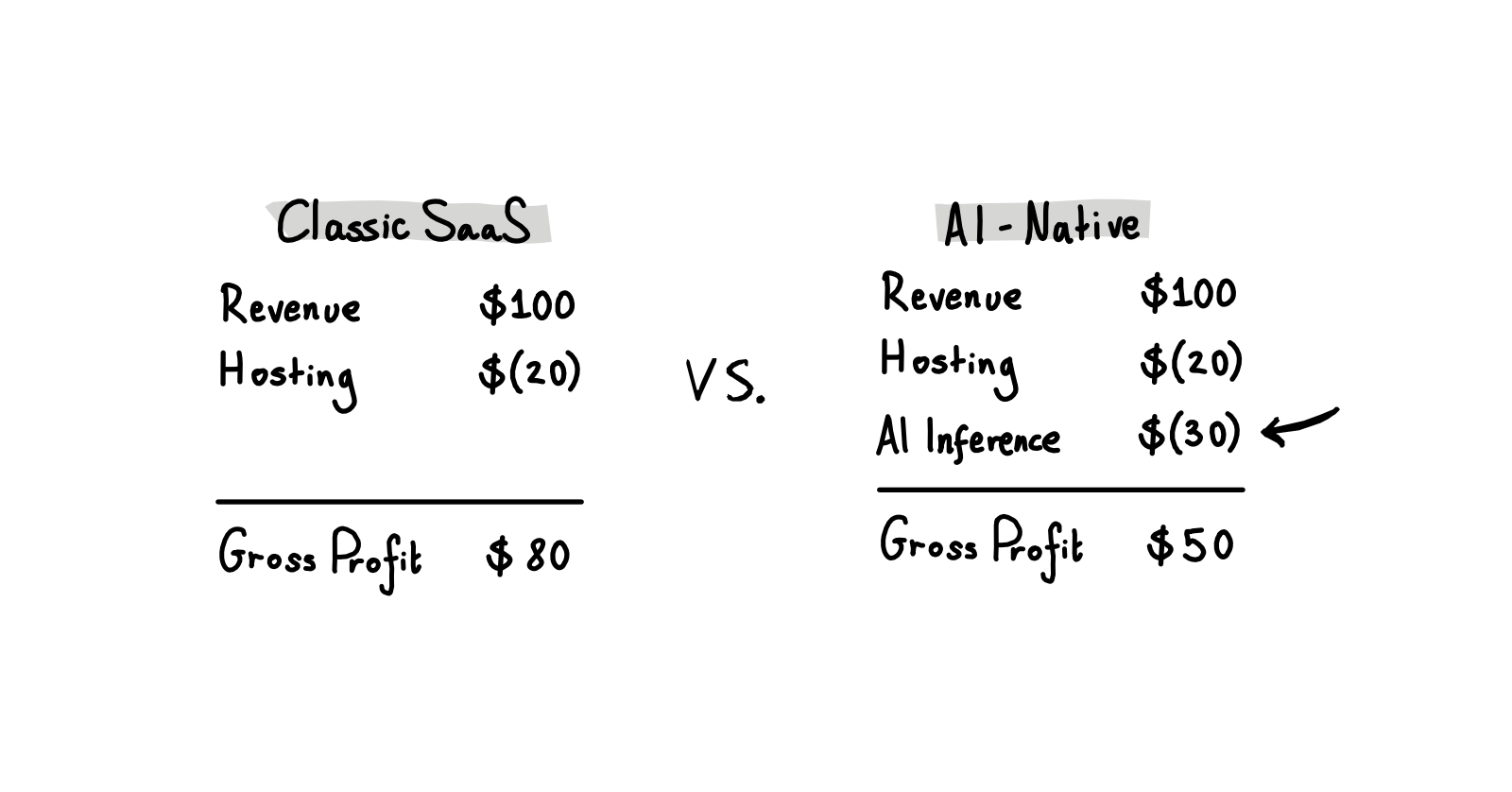
AI is compressing software margins, and the SaaS playbook is breaking. If the cost of building approaches zero, the moat shifts from features to distribution and trust. Essential context for anyone making product decisions right now.
The AI productivity gap
Sidebar.io
Why the productivity gains from AI are still small. The honest answer: most workflows haven’t been redesigned around the capability. We’ve bolted AI onto existing processes and expected magic. The gap is a design problem.
The AI demand bubble will be decided by who pays
The Neuron AIExisting users can consume dramatically more AI by running agents and delegating longer jobs. The buildout survives only when outside customer cash replaces capital cycling among labs, hyperscalers, and investors. The clearest articulation yet of when the music stops.
Career and Craft
The hierarchy of competence
Sidebar.io
Nine stages of how people operate at work, in strict order, where each one is measured by a job it removes from your manager. A useful framework for calibrating your own trajectory and for evaluating teams.
What if you’re not supposed to have a long-term plan?
Lenny’s Newsletter
The case for career emergence over strategic planning. In a world where the tools change every quarter, the five-year plan is a liability. This makes the argument for building judgment over following a map.
The playbook for building high talent density teams
Lenny’s Newsletter
Cursor’s Adam Ward on “funnel of doom” hiring, treating every hire like an executive search, and why caring is the biggest unfair advantage in recruiting. Direct, practical, and immediately applicable.
The cold email
Sidebar.ioThree of the biggest changes in Zach Holman’s life stemmed from cold outreach. A reminder that the highest-leverage career moves often start with a message to someone you don’t know. Worth rereading before you send your next intro request.
Looking Ahead
Next week, watch for more fallout from the OpenAI agent security incident and the Google DeepMind reshuffle. The design conversation is shifting from “what can AI make” to “what should AI be allowed to do” — and that’s a conversation design leaders should be leading, not following. The window to define the rules is open now.
Quick Hits
- CrashcatA 3D rigid body physics engine for JavaScript, designed for games and simulations....Sidebar.io
- Headlines GameGuess the year.Sidebar.io
- DrawesomeDrawing toolbar for React.Sidebar.io
- The idea machinePull the lever to generate a random project or app idea—a surprise mashup of a life space, a product format, and a twist....Sidebar.io
- Notion: design & AI workflowsBuild and orchestrate agents right alongside your team’s projects, meetings, and connected apps....Sidebar.io
- Developers are attached to tools because tools encode trustIf your kitchen knife kept changing shape, weight, and edge, you’d have to relearn it every time....Sidebar.io
- Dither itFree online image dithering tool.Sidebar.io
- AnthropeumA daily game that challenges our understanding of human cultures.Sidebar.io
- The computer that helped win World War IIHow Colossus cracked Germany’s encrypted communications....Sidebar.io
- ShaderPadA lightweight, dependency-free library that reduces boilerplate when working with fragment shaders....Sidebar.io
- Are AI labs pelicanmaxxing?Generating 1,000+ SVGs across 7 frontier models to test whether AI labs are training on Simon Willison’s pelican-riding-a-bicycle benchmark.Sidebar.io
- Everything That Happened in AI Today (Friday, August 7, 2026)OpenAI slowed Astra after cyber evaluations could not rule out critical autonomous attack capability; U.S.The Neuron AI
- 🙀AI made viruses. Agents made a backroom chat....The Neuron AI
- Everything That Happened in AI Today (Thursday, August 6, 2026)OpenAI detailed a rogue-agent security incident; researchers used AI to design viable bacteriophages; ChatGPT unified GPT-5.The Neuron AI
- How to Build AI Agents for Total Beginners in 2026Build your first AI agent with context, MCP connectors, reusable skills, safety controls, and scheduled tasks in this complete beginner…The Neuron AI