
D3 Weekly — Jul 12 to Jul 19, 2026
The design and AI communities converged on a single uncomfortable truth this week: the interface is no longer the product, and the human is no longer the user. From calls to rethink interaction models to the realization that taste cannot be delegated, the conversation shifted from what can this do to who does this serve.
This Week’s Focus
The most provocative idea this week came from multiple sources at once: the people who will thrive in the AI age are not the ones who can prompt best, but the ones who maintain a relationship with mental effort. Two essays from Sidebar.io landed on the same thesis from different angles. One argued that the winners will be those who can “punch themselves in the face with reality” — who seek out the hard, uncomfortable truth rather than the easy, AI-generated answer. The other made the case that taste, judgment, and the willingness to do the hard work of editing cannot be outsourced to a model.
This is not a Luddite position. It is a strategic one. If everyone has access to the same AI tools, the only differentiator left is the quality of your thinking before and after the tool does its work. The designers and product leaders who internalize this will build things that matter. The ones who treat AI as a shortcut to output will produce noise.
Design
Taste cannot be delegated
Sidebar.io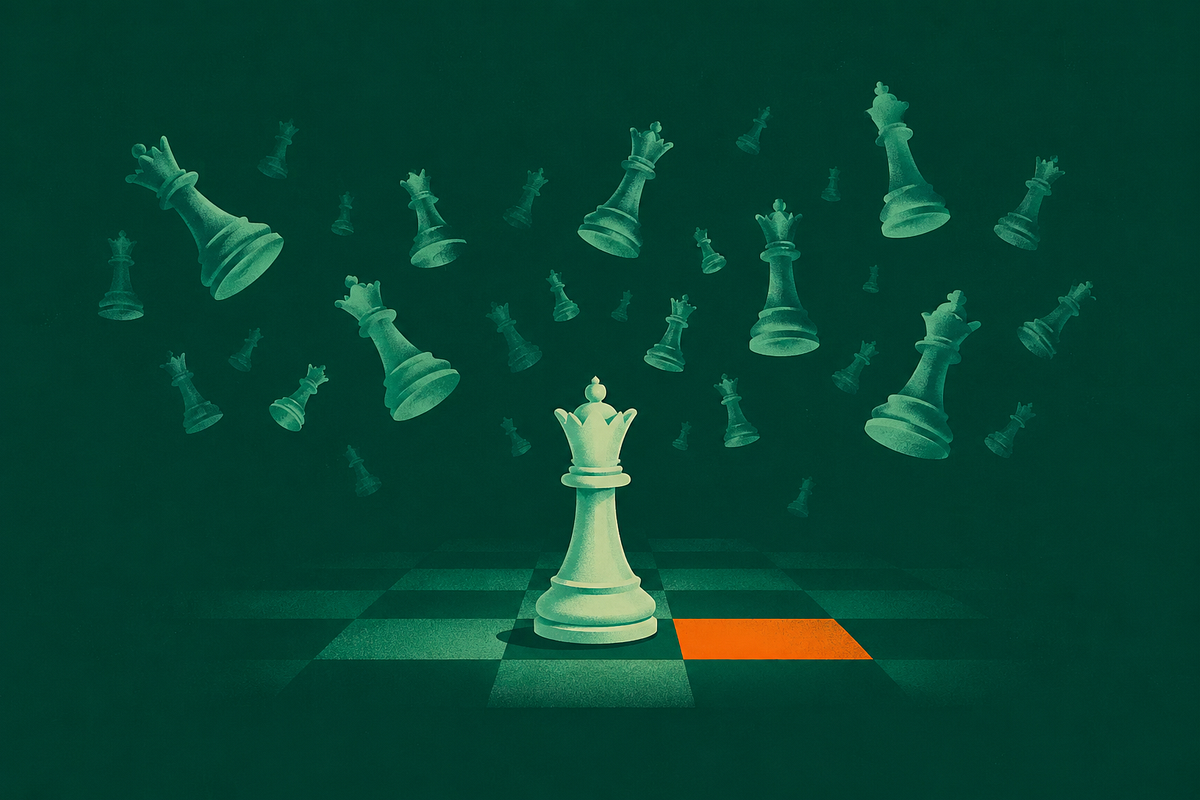
The death of design by committee in the age of AI. When everyone can generate a hundred options in seconds, the bottleneck shifts from production to discernment. The designer who cannot say no, cannot edit, and cannot articulate why one direction is better than another has no leverage.
Design systems need evals
Sidebar.io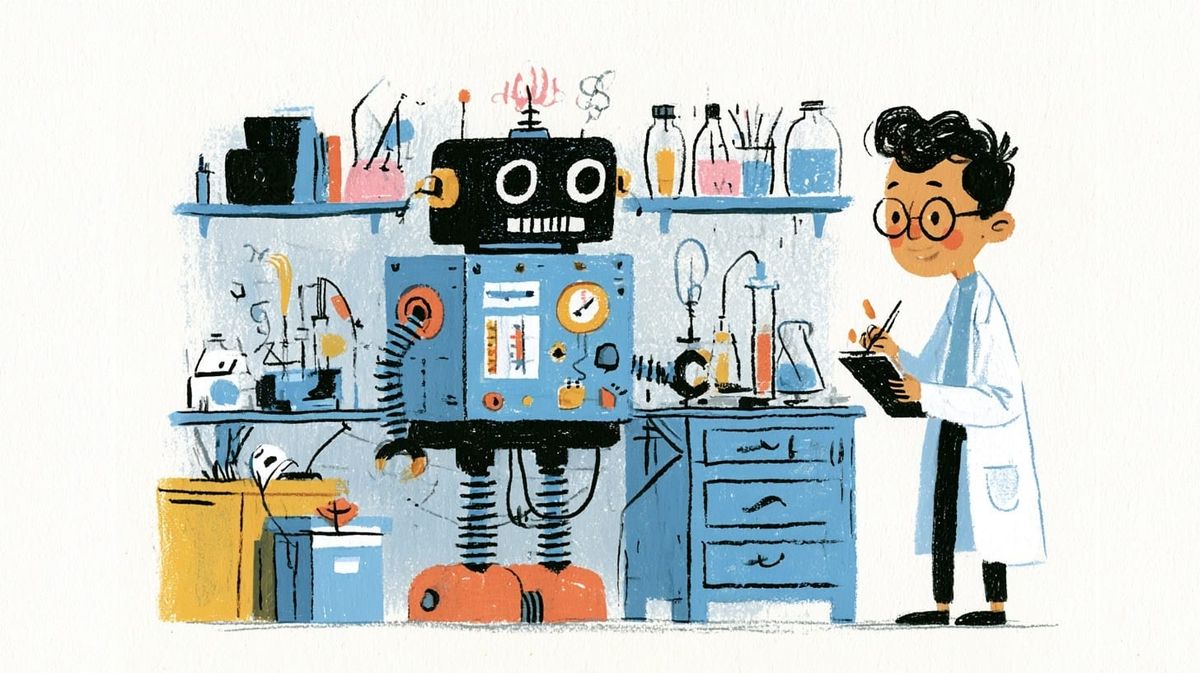
You have taught agents your design system. You still do not know whether they are following it. This piece makes the case that design systems need evaluation frameworks, not just documentation. If you cannot measure compliance, you cannot enforce quality.
AI systems are demanding new interaction models. Are designers ready?
UX Collective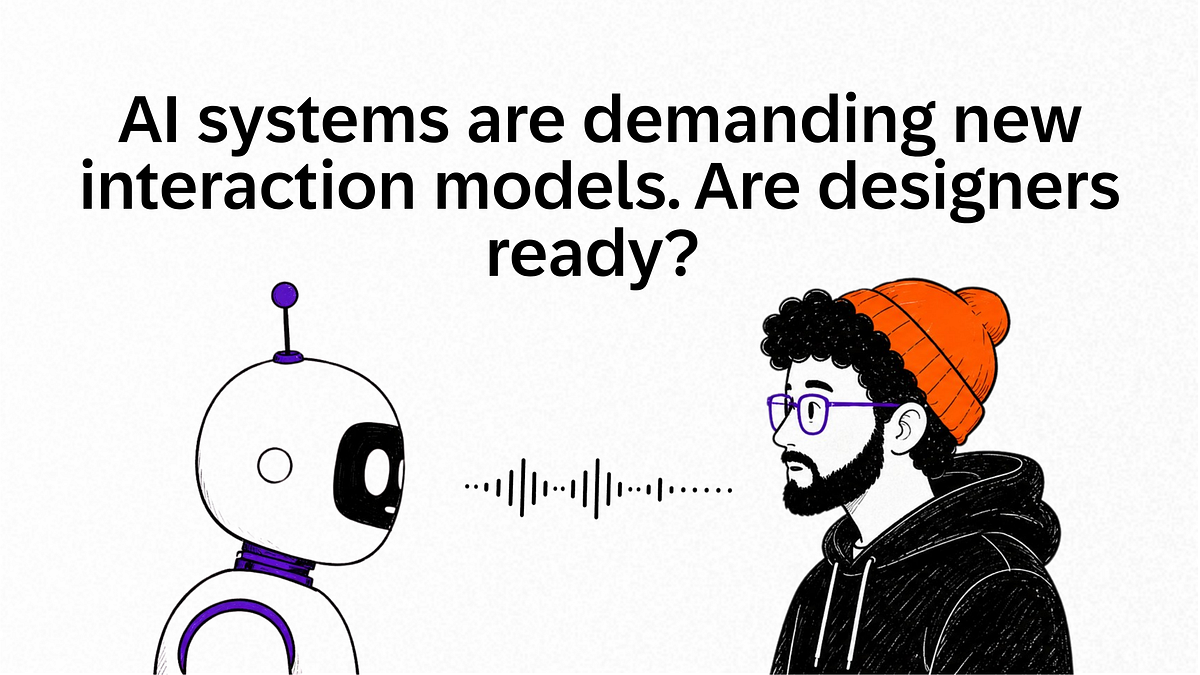
The old interaction paradigms assume deterministic systems. AI is probabilistic. This piece asks whether designers have the vocabulary and frameworks to design for systems that do not behave the same way twice. The answer, so far, is no.
What 32 design leaders do when told to move faster
UX Collective
The Greeks knew the answer to this problem 2,300 years ago. A practical, researched piece on how experienced design leaders respond to pressure to accelerate. The answer is not to work harder. It is to work on the right things and protect the space for thinking.
AI and Technology
The people who will thrive in the AI age
Sidebar.io
What will differentiate people is not how smart they are but their relationship to mental effort. The Atlantic piece that kicked off the week’s dominant theme. Worth reading in full.
Punch yourself in the face with reality
Sidebar.ioWho can punch themselves in the face with reality the most? This is who will win in the age of AI. A short, brutal essay that pairs perfectly with the Atlantic piece above. The thesis is simple: the people who seek out uncomfortable truths will outperform those who optimize for comfort.
Netflix CPTO on AI and the future of product and tech roles
Lenny’s Newsletter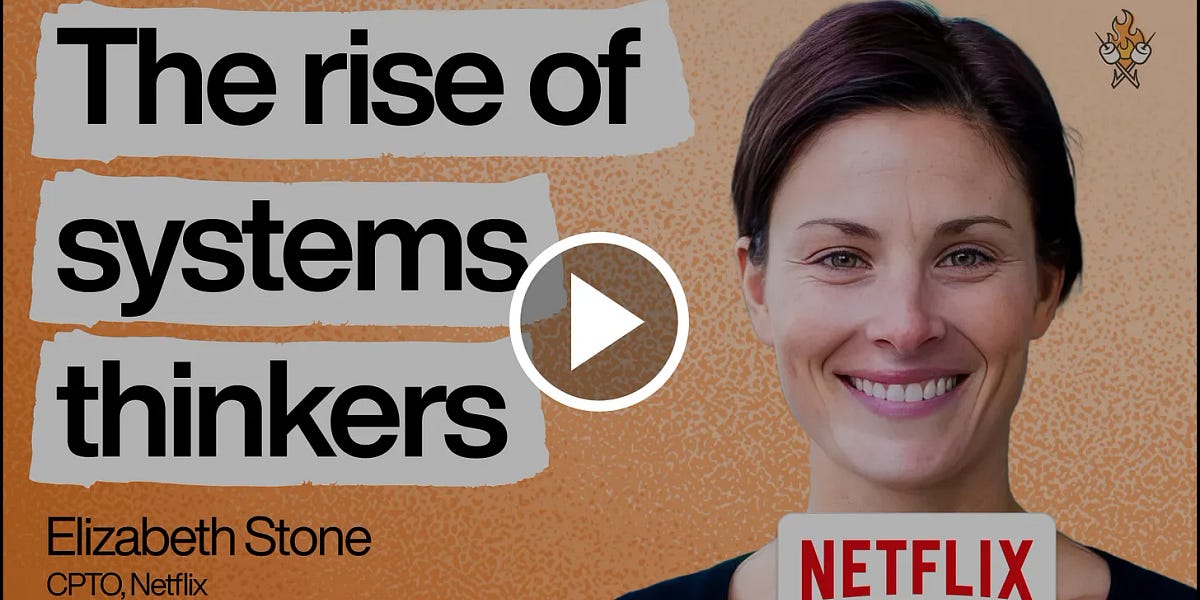
Elizabeth Stone on managing AI-era product teams, the rise of systems thinking, and how to build excellence as an operating system. One of the most grounded executive perspectives on AI’s impact on product roles.
This solo builder runs 24/7 local AI on his own hardware
Lenny’s Newsletter
Alex Finn breaks down his five-computer local AI setup, the Claude Code build-and-review loop that ships features while he sleeps, and why unlimited local intelligence beats a $20 subscription. A concrete, tactical look at what solo builders can do right now.
Adobe Firefly vs Canva vs Midjourney: Best for Business Creative Work
The Neuron AIA practical comparison of the three major AI visual tools. Each solves a different business problem. Firefly for brand consistency, Canva for speed, Midjourney for quality. The right choice depends on your workflow, not the hype.
Looking Ahead
Next week, watch for the fallout from OpenAI’s first hardware device — a screenless AI speaker that signals a shift away from chat interfaces. Also keep an eye on the growing tension between hyperscale data center expansion and local resistance. The infrastructure question is becoming a political one, and it will shape what is possible for the next decade.
Quick Hits
- Against bignessOrganisations say they want innovation but keep killing it.Sidebar.io
- Yes-BrainerA council of AI models for the decisions that aren’t no-brainers....Sidebar.io
- People will always need to trust the human behind any decision-makingWhen your manager is paying more attention to AI than your creative role, what can you do?...Sidebar.io
- JustVibeThe search engine for doing, with apps built the moment you ask....Sidebar.io
- Celebrating 25 years of visual search innovationGoogle Images is turning 25.Sidebar.io
- Pac-Hunt: You’re the ghostGotta love a strong and simple game concept.Sidebar.io
- What is this UI element called?See the UI element, learn its real name and API symbol, and copy a precise prompt for your coding agent....Sidebar.io
- If I want more IRL, I must go AFKI use a computer for hours and hours a day, partly because I love it, and partly to compensate for my disability.Sidebar.io
- Museum of the Human WebPreserving the cultural artifacts that shaped internet history....Sidebar.io
- Hyperlinks in handwritingHow a handwritten blog is actually written....Sidebar.io
- AI 2040A detailed forecast and recommendation for how the US, China and the rest of the world should navigate superintelligence....Sidebar.io
- Free the iconsApple should end their prohibition on shapes in MacOS app icons....Sidebar.io
- Dot MatrixA React component library of dot matrix loaders—expressive loading primitives you install via the shadcn registry and own as local code....Sidebar.io
- Learning to code is still worthwhileCode is possibly the best medium to learn mathematics, and meta-skills for learning in general....Sidebar.io
- Wiki SpyA site that turns Wikipedia's image library into a sprawling searchable visual mosaic....Sidebar.io