
D3 Weekly — Jun 28 to Jul 05, 2026
The design and AI communities converged on a single uncomfortable truth this week: the interface is no longer the product, and the human is no longer the user. From Figma's new agent to the Pope's warning on AI, the conversation shifted from what can this do to who does this serve.
This Week’s Focus
The most important thread running through this week’s reading is the collapse of legibility. When LLMs can generate a passable prototype, a competent PRD, or a serviceable codebase in minutes, the signal that used to separate craft from production disappears. Two pieces from Sidebar.io hit this from different angles. “Legibility of effort” argues that our ability to tell, at a glance, whether something took real human work is broken. “The organizational cost of low taste” makes the case that when taste is weak, everything survives long enough to demand justification, and organizations slowly confuse activity with progress. Together, they frame the central challenge of the next year: how do you design for quality when the surface level is indistinguishable from noise?
Design
Figma just made your design system debt everyone’s problem
Sidebar.io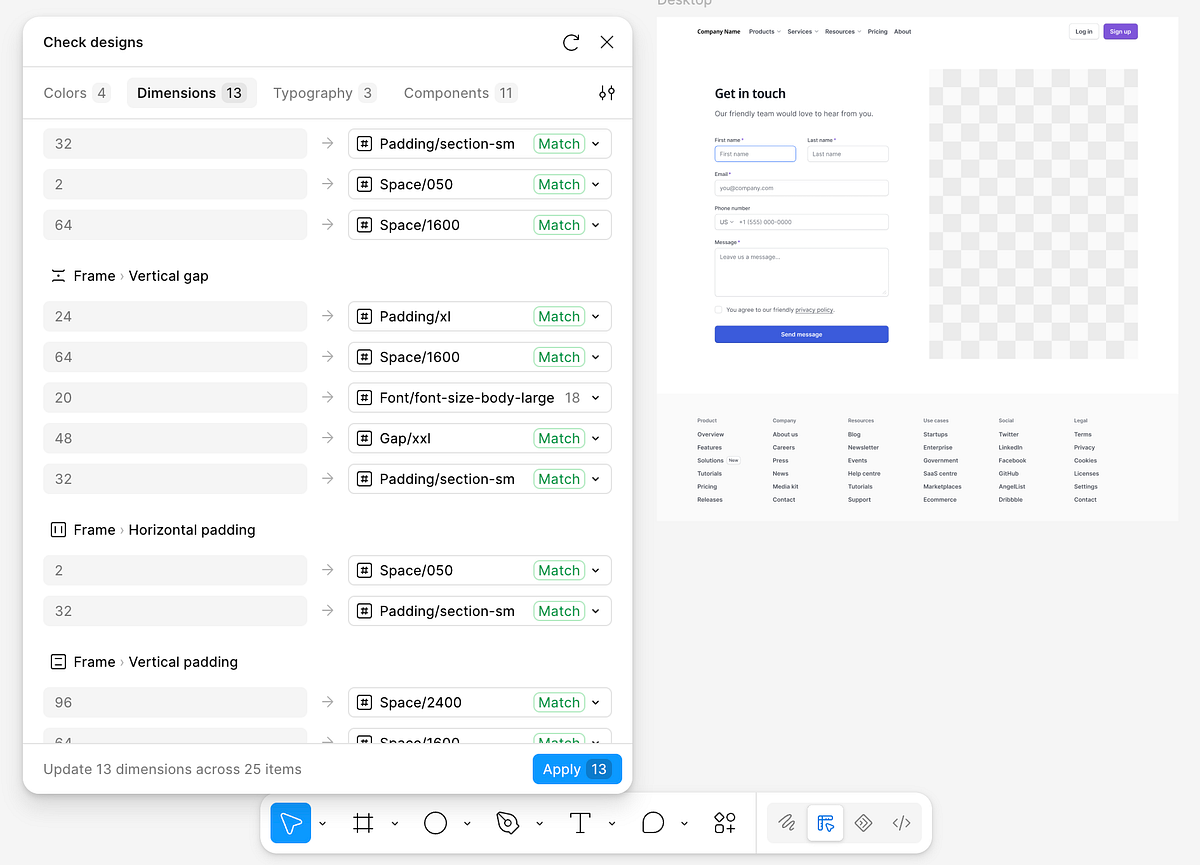
For years, design system work lost the roadmap fight quietly. Config 2026 made the losing loud. That changes who has to care.
The organizational cost of low taste
Sidebar.io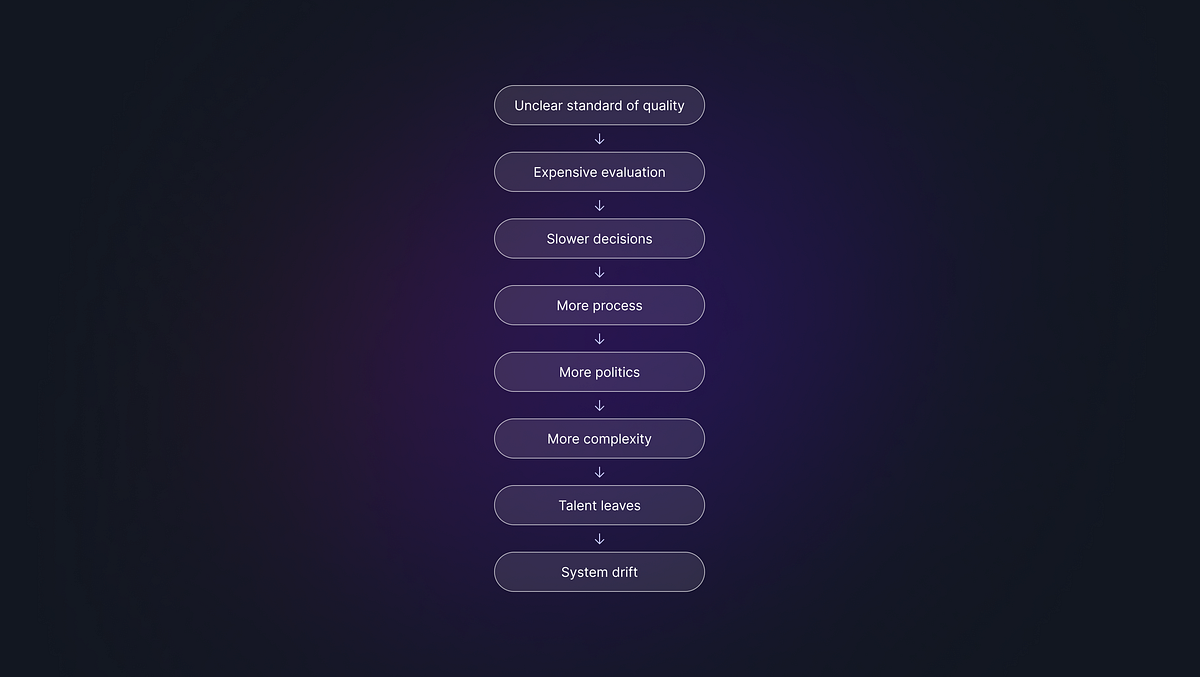
When taste is weak, everything survives long enough to demand justification, and the organization slowly confuses activity with progress.
You can’t unit test for taste
Sidebar.ioWhy automated compliance fails to yield aesthetic coherence, proving subjective judgment remains a hard requirement.
Principles in motion
Sidebar.io
When you’re designing motion, you’re designing with time. Understanding the mechanics turns movement into meaning.
AI and Technology
The problem is prompt debt
Sidebar.io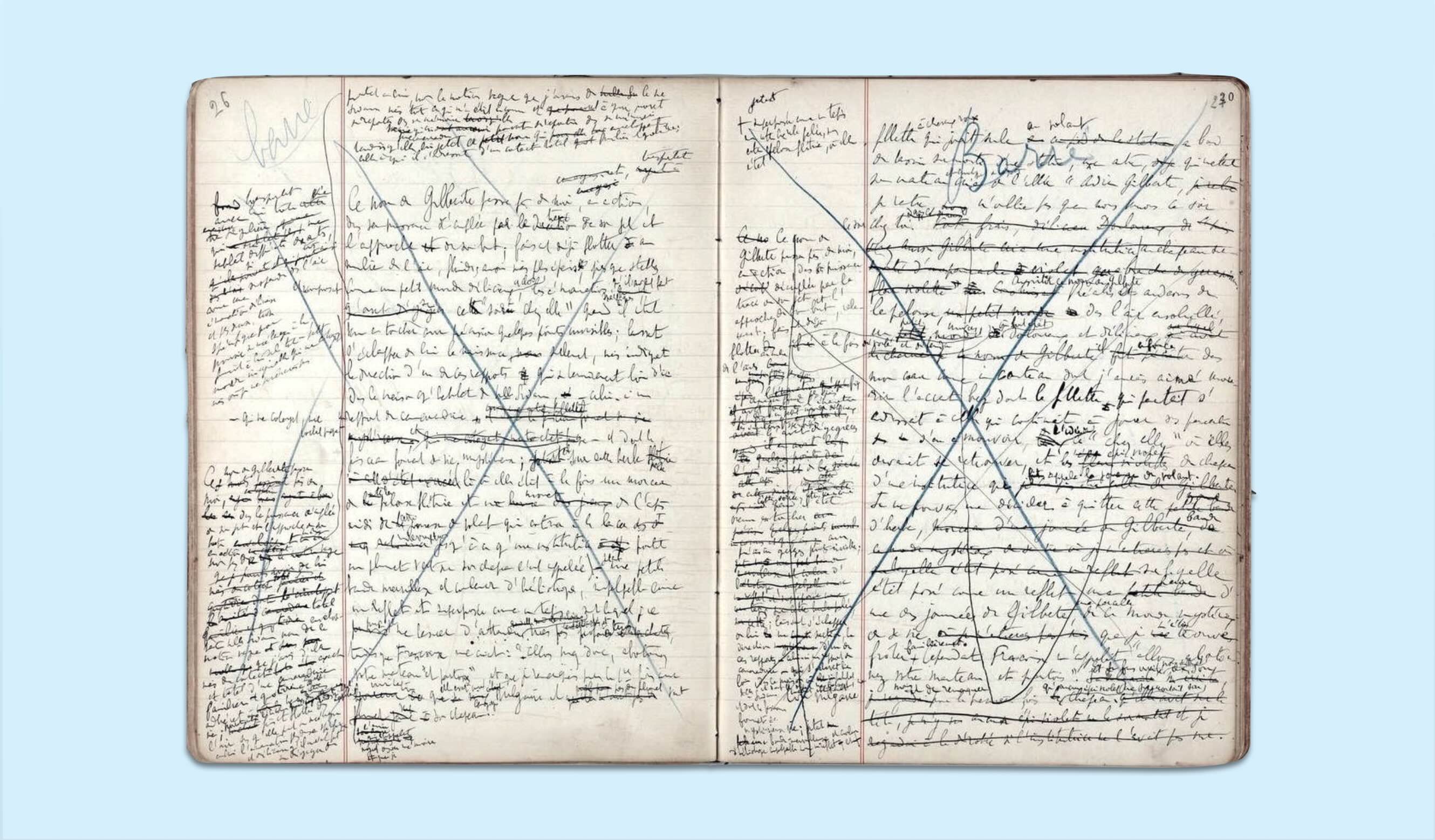
Plain-English prompts make prototyping effortless but specify system behavior poorly. The technical debt builds slowly until apps stall.
Legibility of effort
Sidebar.io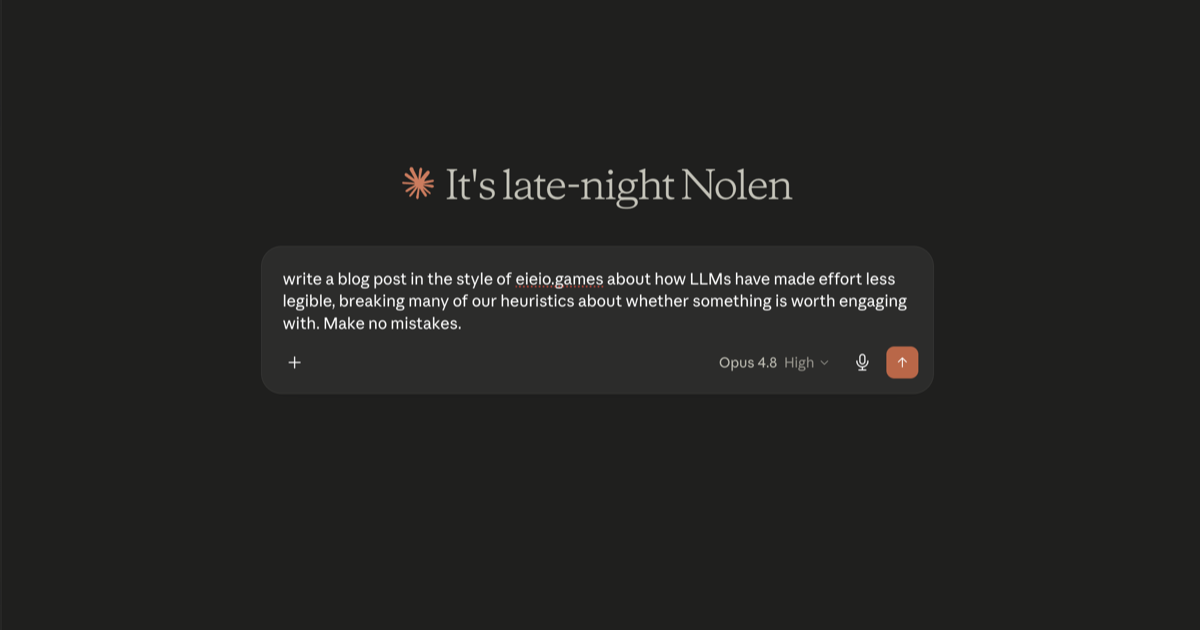
LLMs have broken legibility of effort - our ability to tell, at a glance, whether something took a human real work. What happens next?
Repricing of software engineering labor
Sidebar.ioThe market is repricing software engineering labor—collapsing the premium for generalists while raising the value of deep expertise.
AI Is Breaking the Billable Hour
The Neuron AIAI is pushing consultants, lawyers, and salaried workers away from time-based pay toward retainers, outcomes, quality guardrails, and shared upside.
39 principles for designing human-AI interaction
UX Collective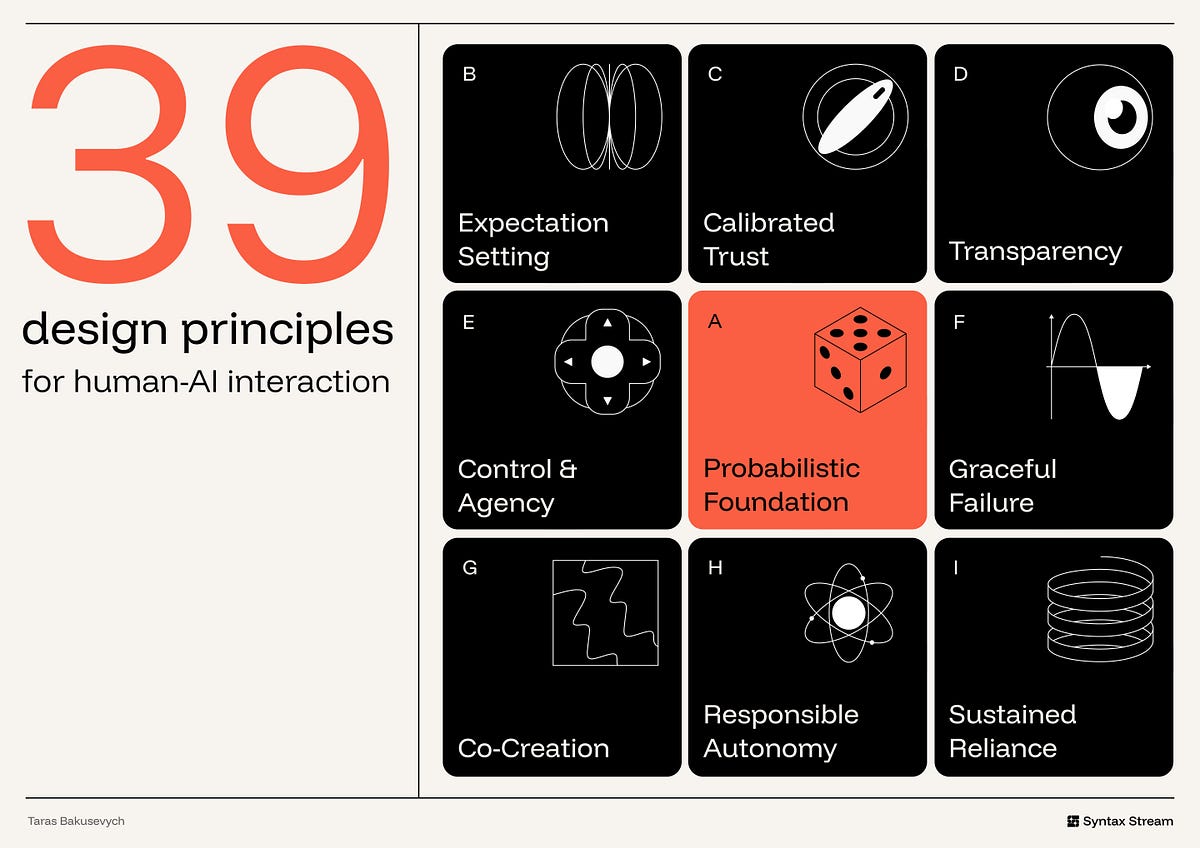
An applied framework for designing AI interfaces that support appropriate reliance, user control, transparency, and responsible autonomy.
No Figma. No Jira. No docs. How Gusto built a new product line with Claude Code | Eddie Kim (CTO)
Lenny’s Newsletter
Eddie Kim, the CTO of Gusto, shows how a 5-person team shipped a full AI product line in 10 weeks using Claude Code, a perma-Zoom, and zero documentation.
Looking Ahead
The legibility problem isn’t going to solve itself. Next week, watch for more teams experimenting with taste as a hiring signal and process constraint, not just a design critique. The organizations that figure out how to surface real effort in a world of effortless output will set the standard.
Quick Hits
- Artemis II Photo TimelineAn interactive photo timeline of NASA’s Artemis II mission — scrub through every crew moment, lunar flyby shot, and audio clip....Sidebar.io
- Fintech Engineering HandbookPatterns for building software that handles money....Sidebar.io
- Google Reader was building the wrong futureThe app that taught us to directly follow our favorite creators....Sidebar.io
- On the semantic webNative elements carry behaviour, accessibility, form semantics, keyboard support, and platform adaptation before styling begins....Sidebar.io
- Ask an astronautFind your question among hundreds of astronaut interviews aboard the International Space Station....Sidebar.io
- Designing services for people who’ve lost trust onlineHow to design to rebuild trust in using public services for people who have been affected by scams....Sidebar.io
- How to design arrowsDesigning a single set of glyphs—one that’s as important and (literally) iconic as it is easy to mess up....Sidebar.io
- Earth GardenRotate a globe and listen to nearby nature soundscapes curated from Freesound....Sidebar.io
- Halftone in the browserI kept an old iMac alive for years just to run Freehand MX.Sidebar.io
- Designed for a dead languageEvery language app in your pocket inherited a teaching method built for Latin....Sidebar.io
- Shader LabA powerful toolkit to create, stack, and animate shaders....Sidebar.io
- Moodboard 3000An image layout engine for Figma.Sidebar.io
- 😸 OpenAI may give Uncle Sam 5%...The Neuron AI
- Everything That Happened in AI Today (Friday, July 3, 2026)OpenAI reportedly discussed a U.S.The Neuron AI
- 😹 Fable 5 first reviews - TNA segments...The Neuron AI