
D3 Weekly — Jun 21 to Jun 28, 2026
The design and AI communities converged on a single uncomfortable truth this week: the interface is no longer the product, and the human is no longer the user. From Figma's new agent to the Pope's warning on AI, the conversation shifted from what can this do to who does this serve.
This Week’s Focus
The most important idea circulating this week is that design is becoming a steering problem, not a making problem. Luke Wroblewski articulated this directly with his concept of an “AI steering layer” — the idea that as software becomes more autonomous, the designer’s job shifts from crafting individual screens to setting the constraints, values, and guardrails that guide agentic behavior. Emily Campbell’s “layers of AI experience” essay reinforced this from a different angle, arguing that designers must move beyond interfaces to shape the systems beneath them. The common thread: if you’re still thinking about pixels, you’re already behind. The real work is in defining what the AI is allowed to do, what it should refuse, and how it communicates its reasoning.
Design
The layers of AI experience
Sidebar.io
Why designers must move beyond interfaces to shape the systems, constraints, and behaviors beneath them. A clear framework for understanding where design leverage actually lives in an AI-native world.
Consistency, but in excellence not appearance
Sidebar.io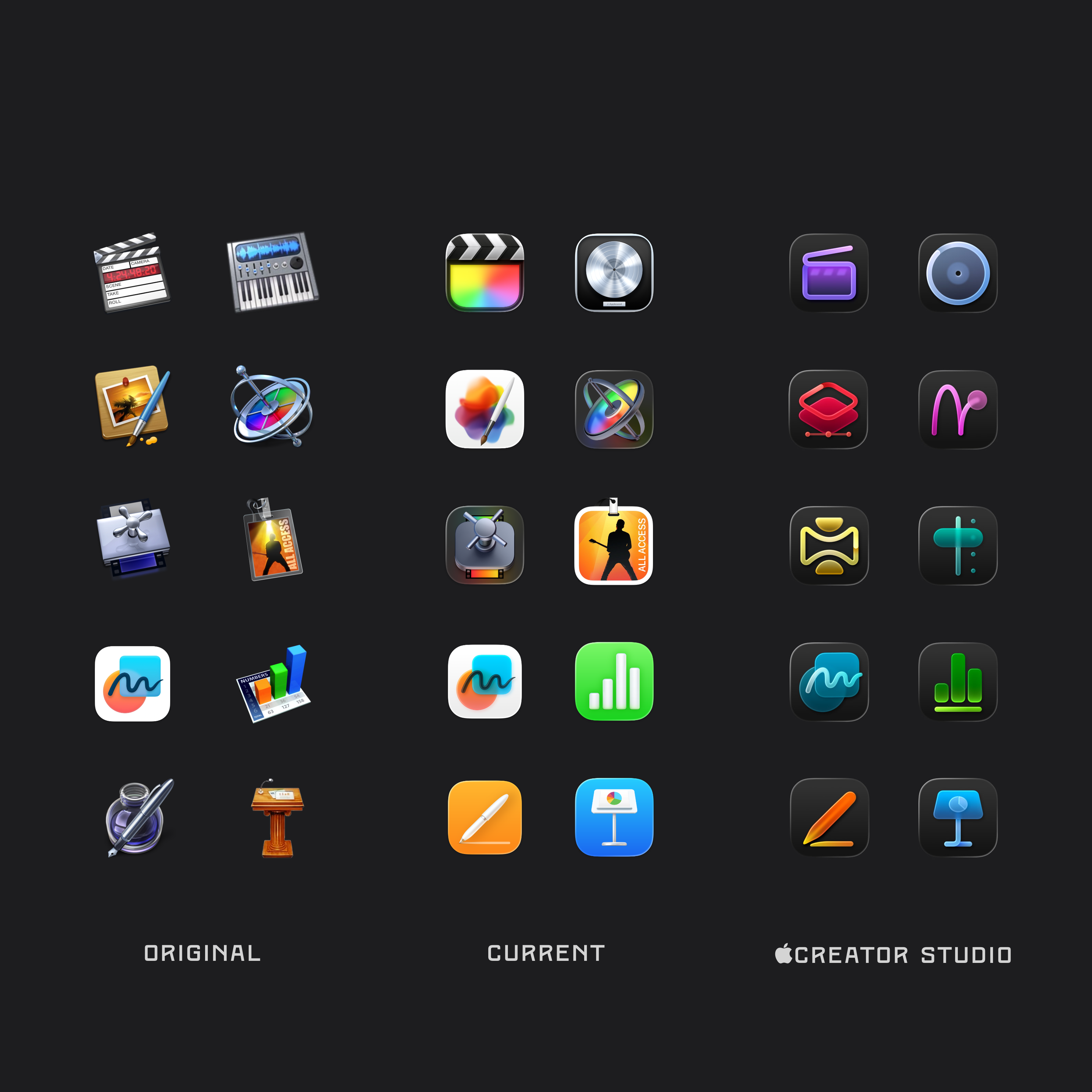
How strict visual systems prioritize automated rules over contextual quality. A sharp critique of design systems that optimize for machine-readability at the expense of human judgment.
Your design system has a new author
Sidebar.io
Authored change has outpaced the review model, and that breaks more than it looks. A practical warning about what happens when agents start writing to your design system faster than humans can review.
Rethinking Figma in an AI world
UX Collective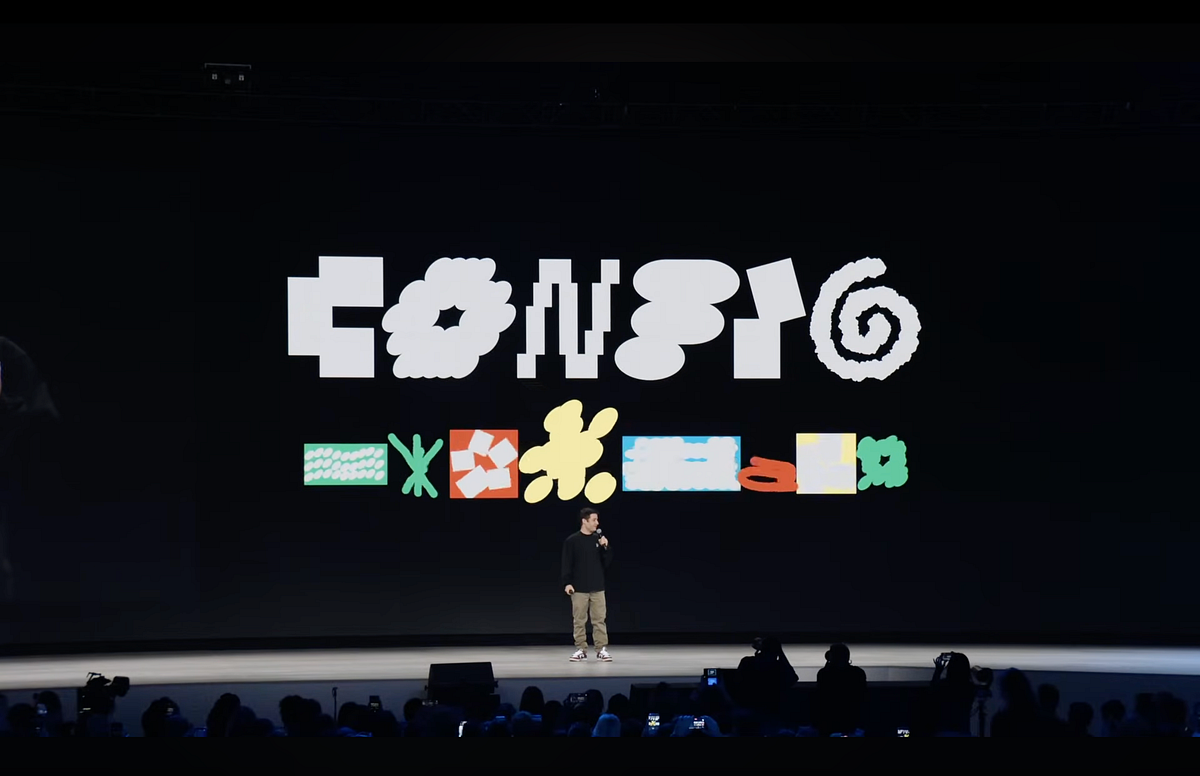
Config 2026 reveals Figma’s high-stakes gamble to survive an era of agentic workflows in a code-native environment. The question is whether the canvas can evolve fast enough.
AI and Technology
The AI steering layer
Sidebar.io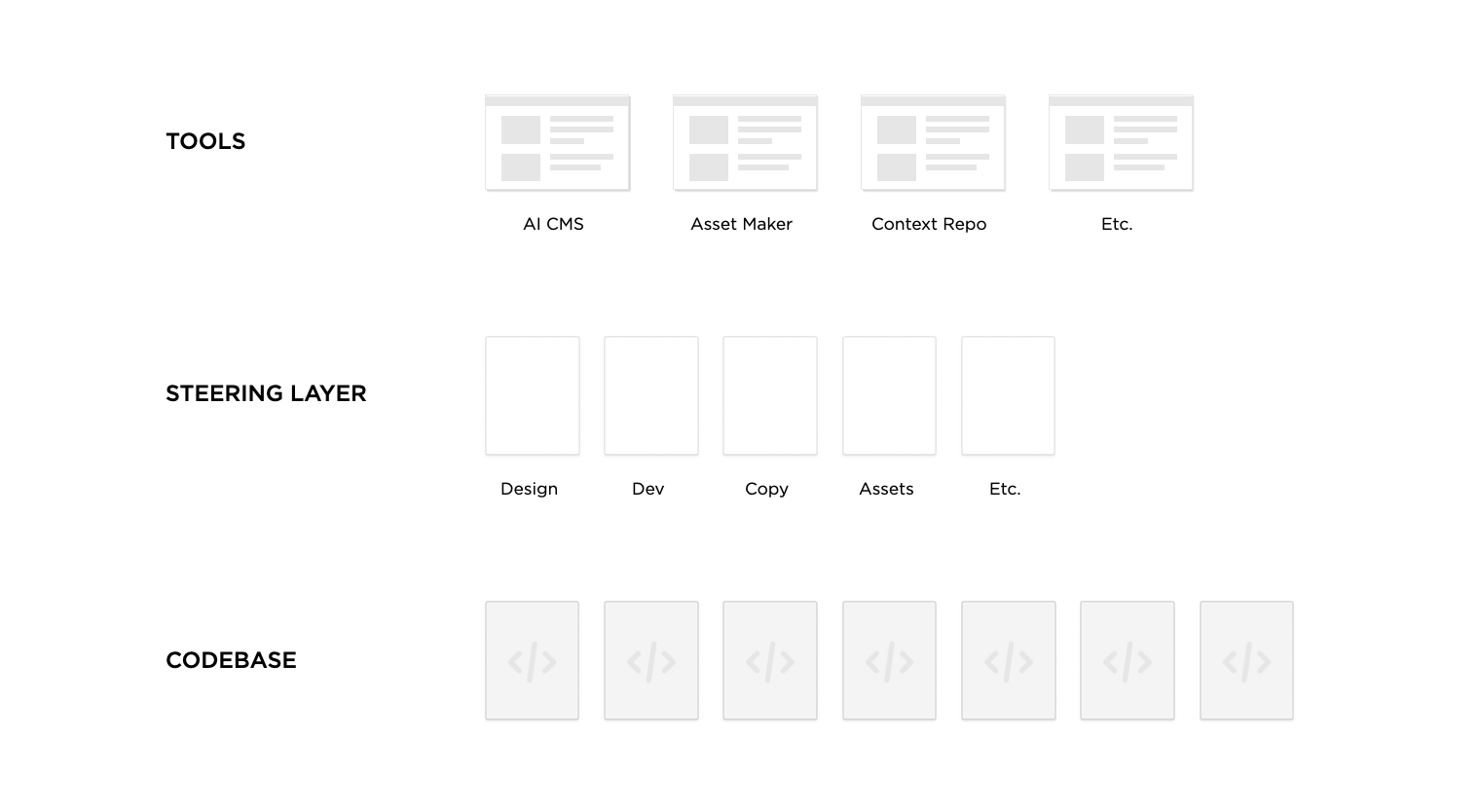
An intentional steering layer can not only help but is increasingly needed in software today. Luke Wroblewski makes the case that design’s future is in setting direction, not crafting output.
Less is more, more or less
Sidebar.io
In the age of AI, knowing what not to build might be the most important skill of all. A refreshing counterpoint to the “build everything” mentality that dominates AI discourse.
The new inner game: Your unfair advantage in the age of AI
Lenny’s Newsletter
A playbook for the biggest upheaval of work we’ll see in our lifetime. Practical advice on building the mental models and habits that AI cannot replicate.
OpenAI Codex lead on the new shape of product work
Lenny’s Newsletter
OpenAI’s Andrew Ambrosino on why software is getting cheaper to build, why taste matters more than ever, and what’s next for the Codex desktop app. Essential listening for anyone building products right now.
How Claude Mythos found a 15-year-old bug in Mozilla Firefox
Lenny’s Newsletter
423 security fixes in one month. Brian Grinstead (Mozilla) shows the goal-loop harness behind it, and why the model was only half the story. A masterclass in agentic debugging.
Looking Ahead
The Config 2026 announcements — Figma Motion, shaders, generative plugins, Weave tools — signal that the platform is betting hard on becoming a runtime, not just a design tool. But the more interesting signal is the pushback. “Rethinking Figma in an AI world” and “Your design system has a new author” both ask the same question: who reviews the agent’s work? That question is not going away. Expect next week’s conversation to focus on governance, review loops, and the human cost of shipping faster.
Quick Hits
- The AI Resist ListA living directory of ways communities resist AI harms—and build alternatives worth fighting for....Sidebar.io
- keybr.com - Typing lessonsTeaching the world to type at the speed of thought!Sidebar.io
- Your documentation is still in your Mum’s filing cabinetIt’s kind of wild that we’re still organising knowledge like it’s sitting in a 1970s filing cabinet.Sidebar.io
- The Last MuseumSearch engine for museum art....Sidebar.io
- Config 2026: New materials, new tools and a more expressive canvasPush past what you thought was possible with code layers, Figma Motion, shaders, generative plugins and Weave tools, all on the canvas....Sidebar.io
- The case for vibe coding when all your coworkers are also vibe codingAm I letting my own personal beliefs and biases affect the outcome I ultimately want?...Sidebar.io
- A short history of modern brand designThe genesis and evolution of modern branding and visual identities, from the 19th century to how we experience them today....Sidebar.io
- InkField | 墨域A system that preserves the act of drawing itself, where every gesture is remembered and every image continues to evolve....Sidebar.io
- On the perils of indifferenceHow prioritizing standard HTML features reduces maintenance and enhances long-term interface stability....Sidebar.io
- Show your hands honor for the strange power they bring youOn designing finger-friendly interactions....Sidebar.io
- Taste: design DNA for AI agentsAbductive reasoning for design.Sidebar.io
- You cannot grow a pumpkinYou can play piano (unless you can’t play piano)....Sidebar.io
- Product Design PsychologyUnderstand the minds you design for and the mind you design with....Sidebar.io
- After AI takes everythingHow software commoditization shifts user value from technical production to individual curation....Sidebar.io
- 😸 Introducing The Neuron Academy...The Neuron AI